
Last updated September 22, 2026
Level 1 sweep and inspection to the NFPA 211 annual standard - flue, crown, cap, and flashing checked and photographed
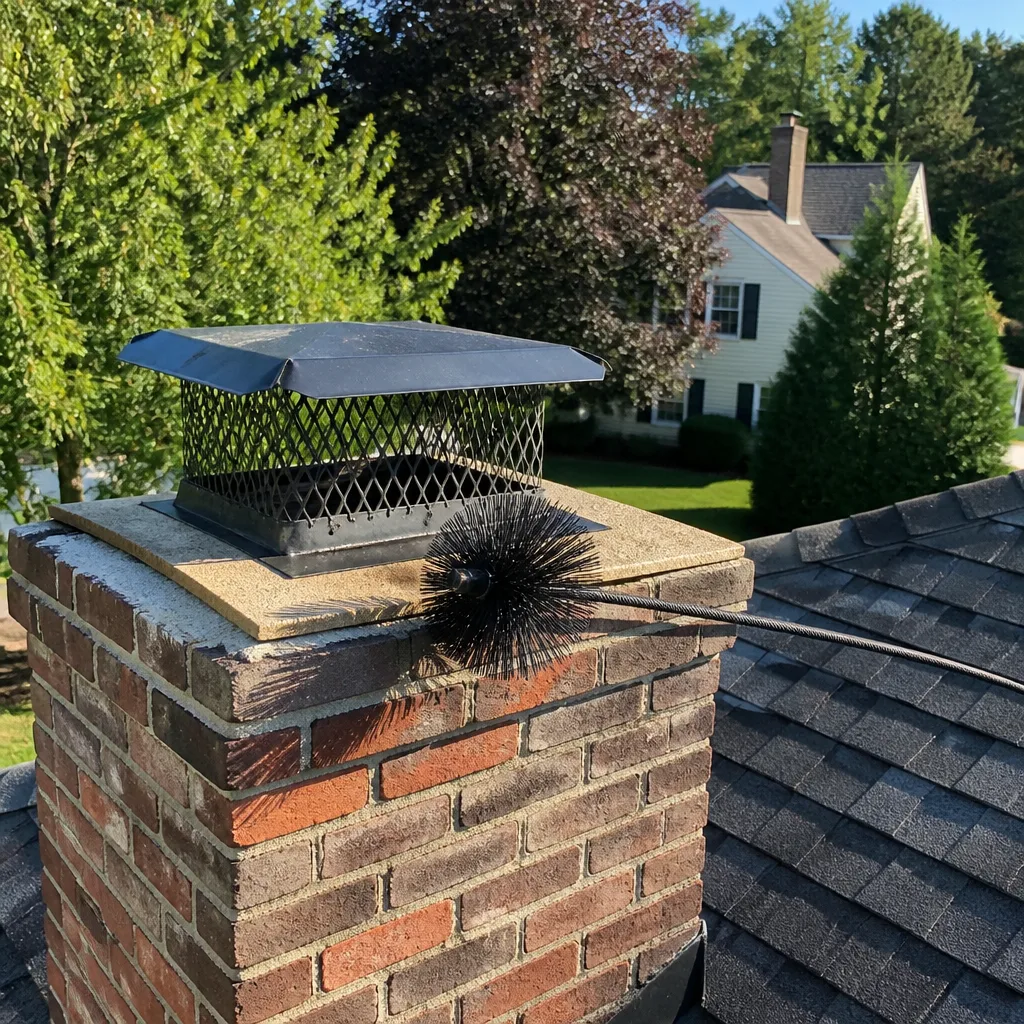
Chimney sweep logs do not sweep chimneys. They loosen some creosote - which then falls where a brush and vacuum still have to collect it.
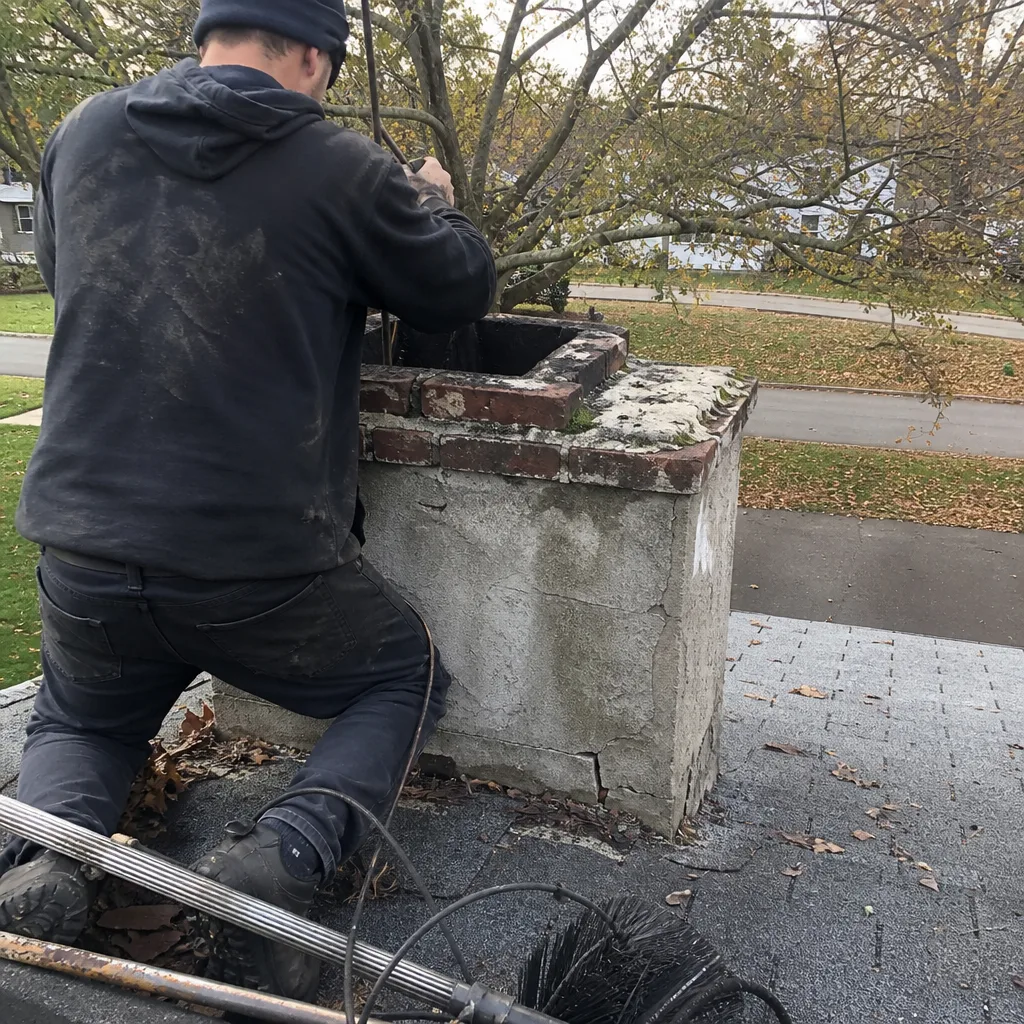 Before
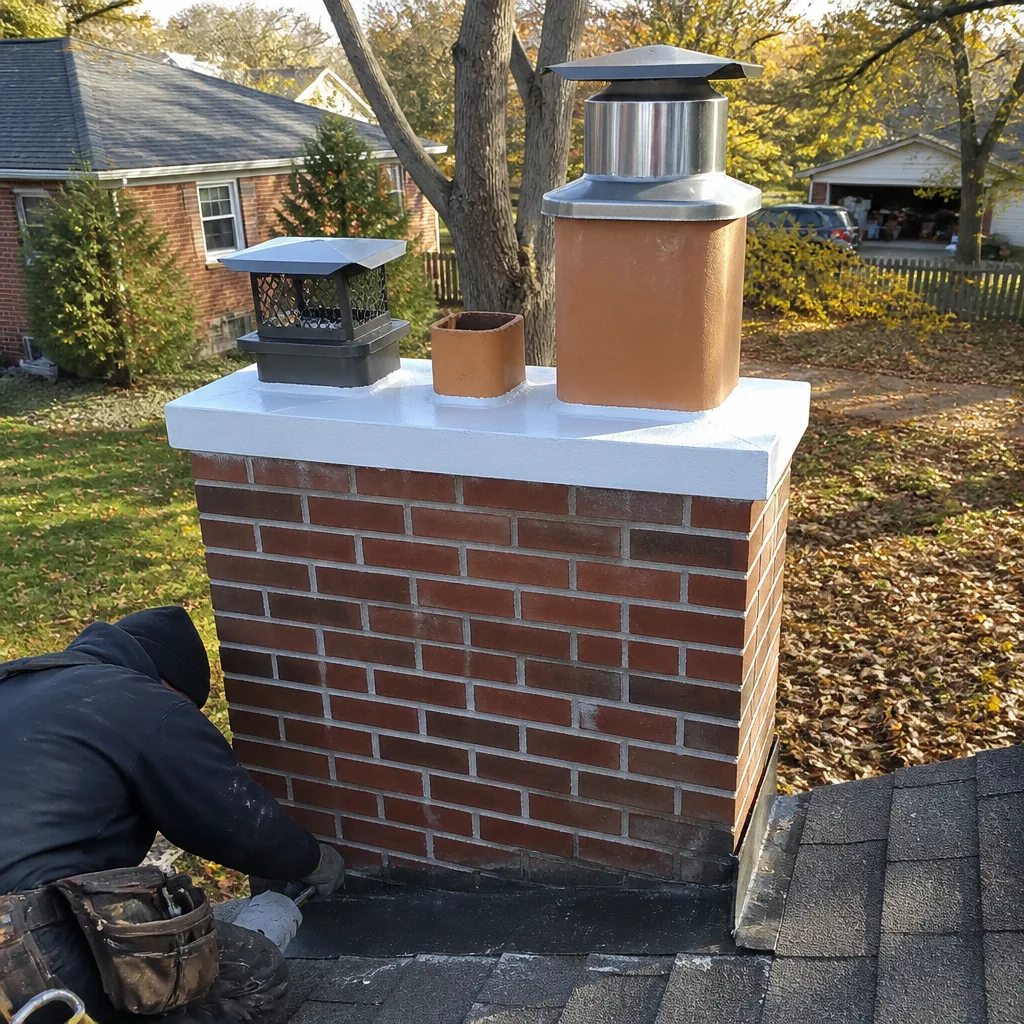 After
After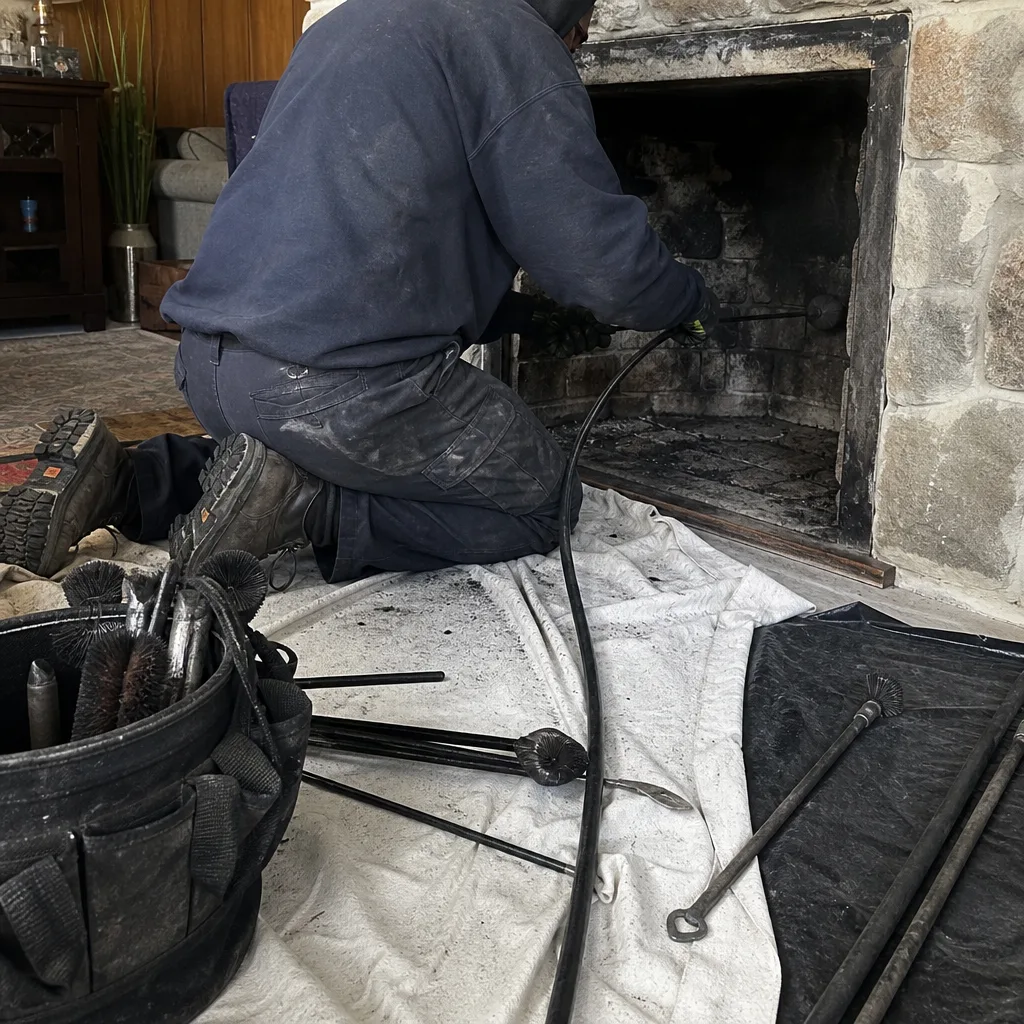 Before
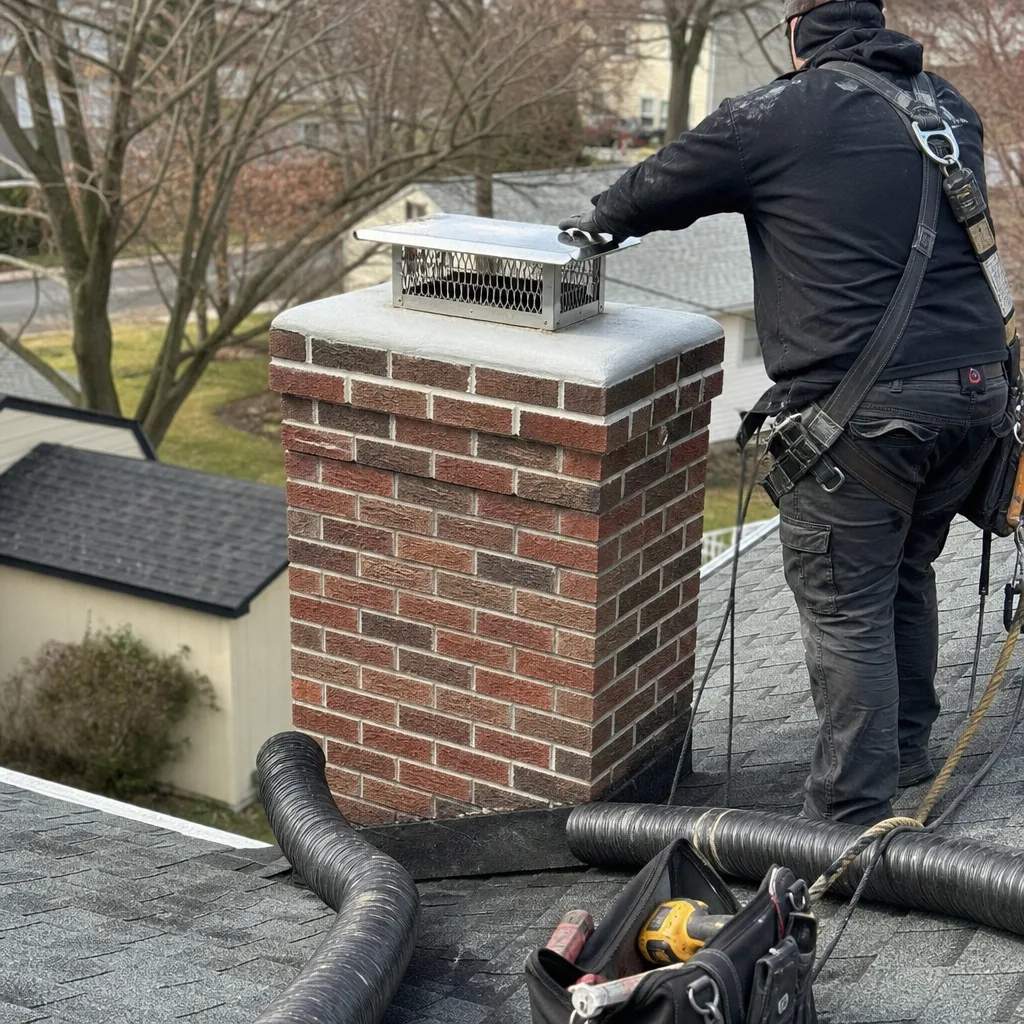 After
After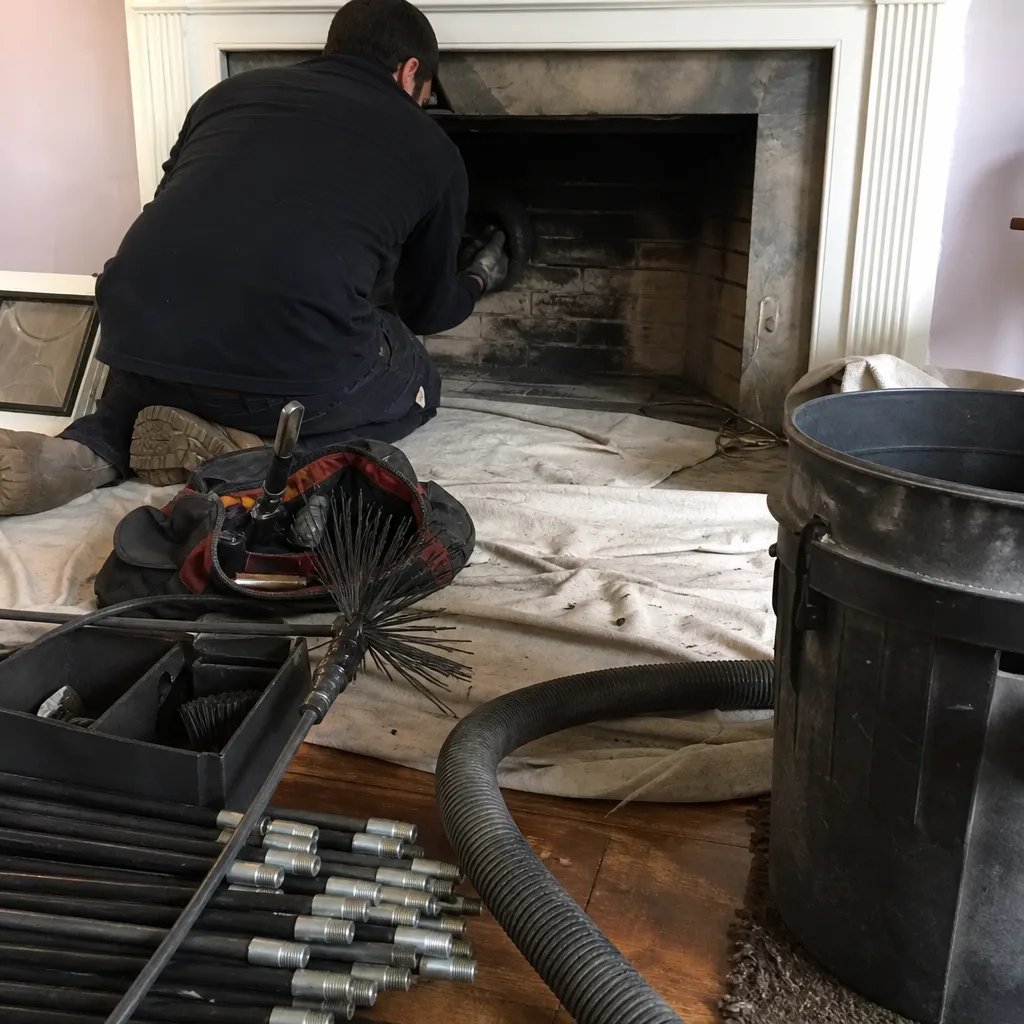 Before
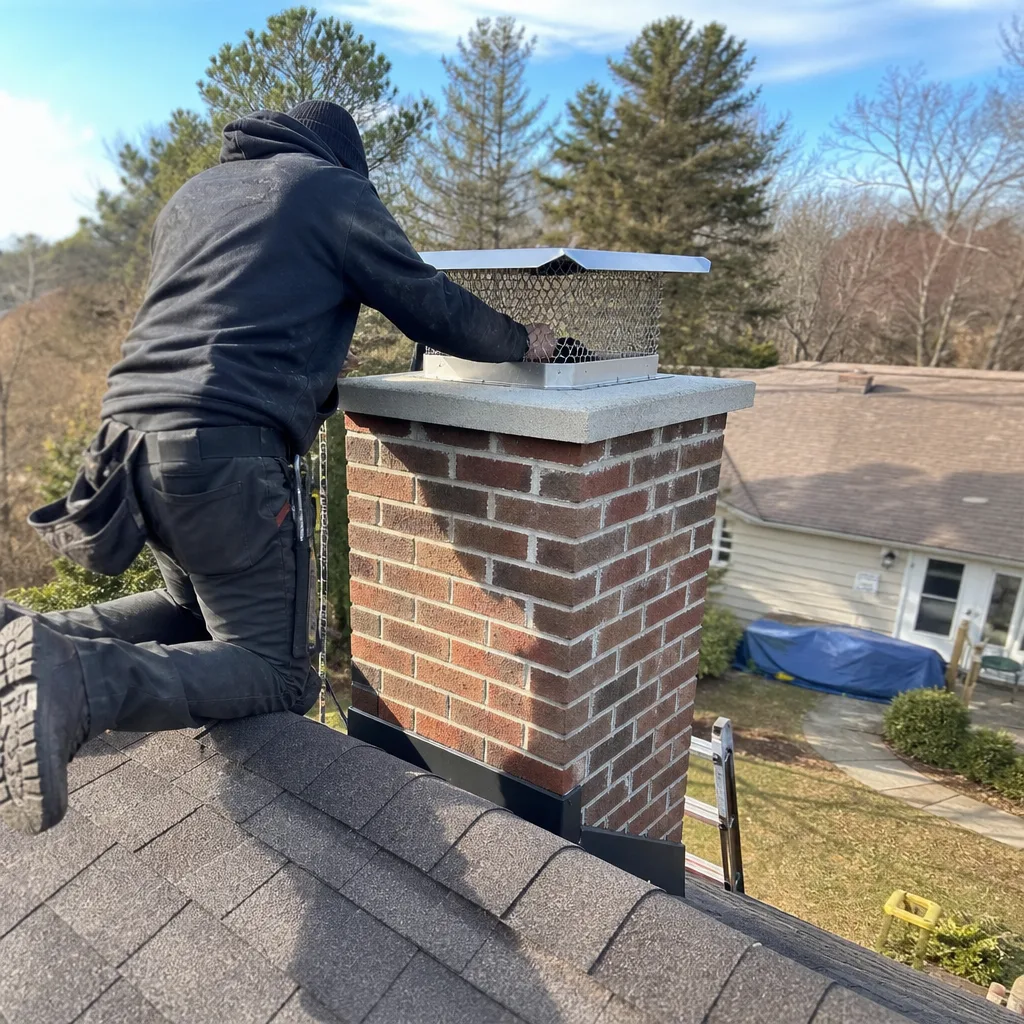 After
AfterHow to Hire a Chimney Cleaning Contractor in Wilmington: A Step-by-Step Guide
Two Wilmington companies both quote “$149 chimney cleaning.” One sends a technician with a camera that travels the full length of your flue liner, producing a photo record you can forward to your insurance company. The other brings a flashlight and a brush. The quote won’t tell you which is which. In our experience inspecting more than 38,000 chimneys since 2009, we’ve learned that hiring a chimney contractor in Wilmington is an information problem disguised as a price problem. This guide gives you a five-question script that exposes what you’re actually buying before you hand over a deposit.
Quick Answer
To hire a chimney cleaning contractor in Wilmington, verify their Delaware license through the Division of Professional Regulation (see our guide to Chimney Cleaning Permits, Codes & Inspections in DE: What You Need to Know), confirm the “inspection” includes a camera scan of the flue liner per NFPA 211 Level 2 standards, and demand a written estimate with scope, price, and warranty terms before any work begins. The lowest quote often omits the documentation your insurer or home inspector will eventually require.
Table of Contents
- Why Quotes Hide the Real Cost
- The Five Questions to Ask Before Booking
- CSIA Certification vs. NFPA 211 Level 2: What You’re Actually Getting
- How to Verify a Wilmington Contractor’s License
- What a Legitimate Written Estimate Contains
- Red Flags in Contractor Responses
- Wilmington-Specific Factors That Affect Your Chimney
- Common Mistakes to Avoid
- When to Call a Professional
- Frequently Asked Questions
- The Bottom Line
 Before
 After
AfterWhy Quotes Hide the Real Cost
The chimney sweep market in Wilmington runs on a simple deception: everyone advertises a similar price for a fundamentally different service. A “$149 cleaning” might mean a technician brushes the firebox, vacuums ash, and departs in 45 minutes. It might also mean a full NFPA 211 Level 2 inspection with a camera scan of the flue liner, smoke chamber evaluation, written condition report, and photo documentation. Same price. Different universe of deliverables.
We’ve seen this confusion play out repeatedly in Wilmington neighborhoods from Trolley Square to Greenville. A homeowner receives three quotes clustered around $150-$250, assumes they’re comparable, and selects the earliest available appointment. Six months later, their home inspector or insurance adjuster requests documentation of liner condition. The homeowner has a receipt. They don’t have a report. The “inspection” they paid for was a visual scan from the fireplace opening, not a documented evaluation.
The real cost of chimney service isn’t the invoice-our Chimney Cleaning Cost Breakdown: The Wilmington Homeowner’s Reference for 2026 explains why. It’s the downstream cost of undocumented work: repeat inspections, disputed insurance claims, or undetected liner damage that progresses to a $3,000-$7,000 rebuild. Wilmington’s housing stock, heavy on brick rowhomes and pre-war colonials in neighborhoods like Forty Acres and Hilltop, is particularly vulnerable. Clay tile liners in these homes often date to original construction. A flashlight glance from the hearth won’t reveal cracked flue tiles or deteriorated mortar joints that allow combustion gases to escape into wall cavities.
Here’s what separates a documented inspection from an undocumented sweep:
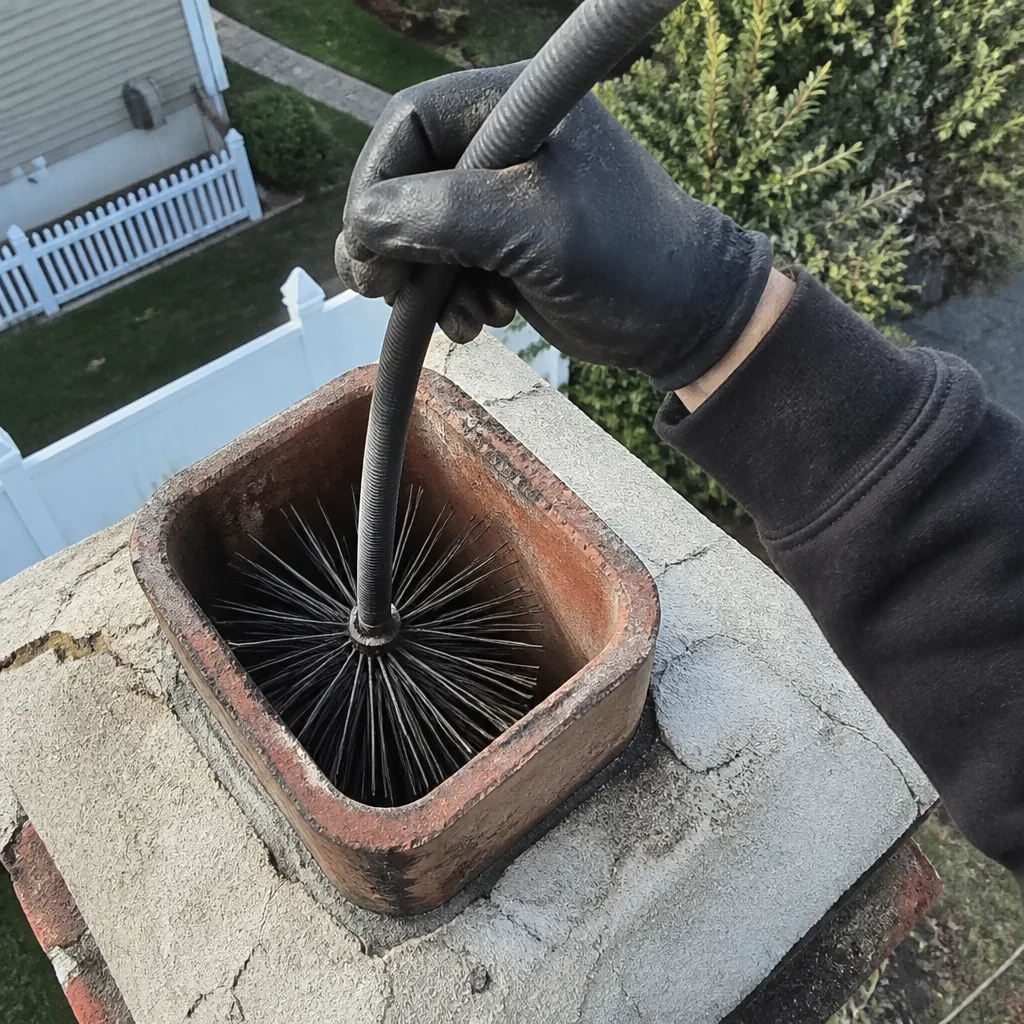
- Camera scan of flue liner: A specialized video camera travels the full length of the flue, recording liner condition, joint integrity, and creosote buildup classification (Class I, II, or III). The footage becomes part of your home’s permanent record.
- Written scope and price before work starts: Not an estimate that “might change,” not a verbal range, but a fixed price for a defined scope, signed by both parties. This is Clause 1 of the Haven Standard: “Have it in writing.”
- Photo record on completion: Before-and-after documentation of the work performed, stored and available for future reference. Clause 4 of the Haven Standard requires this archive practice on every job.
- Warranty in writing: What happens if the sweep dislodges debris that blocks the flue, or if a repair fails within the first year? A verbal “we stand behind our work” dissolves the moment there’s a dispute.
At Level Two Chimney Wilmington home, we’ve built our practice on making the invisible visible. The camera doesn’t flatter or exaggerate. It shows what exists. That transparency is why we’ve maintained the same documentation standard since 2009, years before NFPA 211 Level 2 became the benchmark that insurers and home inspectors now expect.
The Five Questions to Ask Before Booking
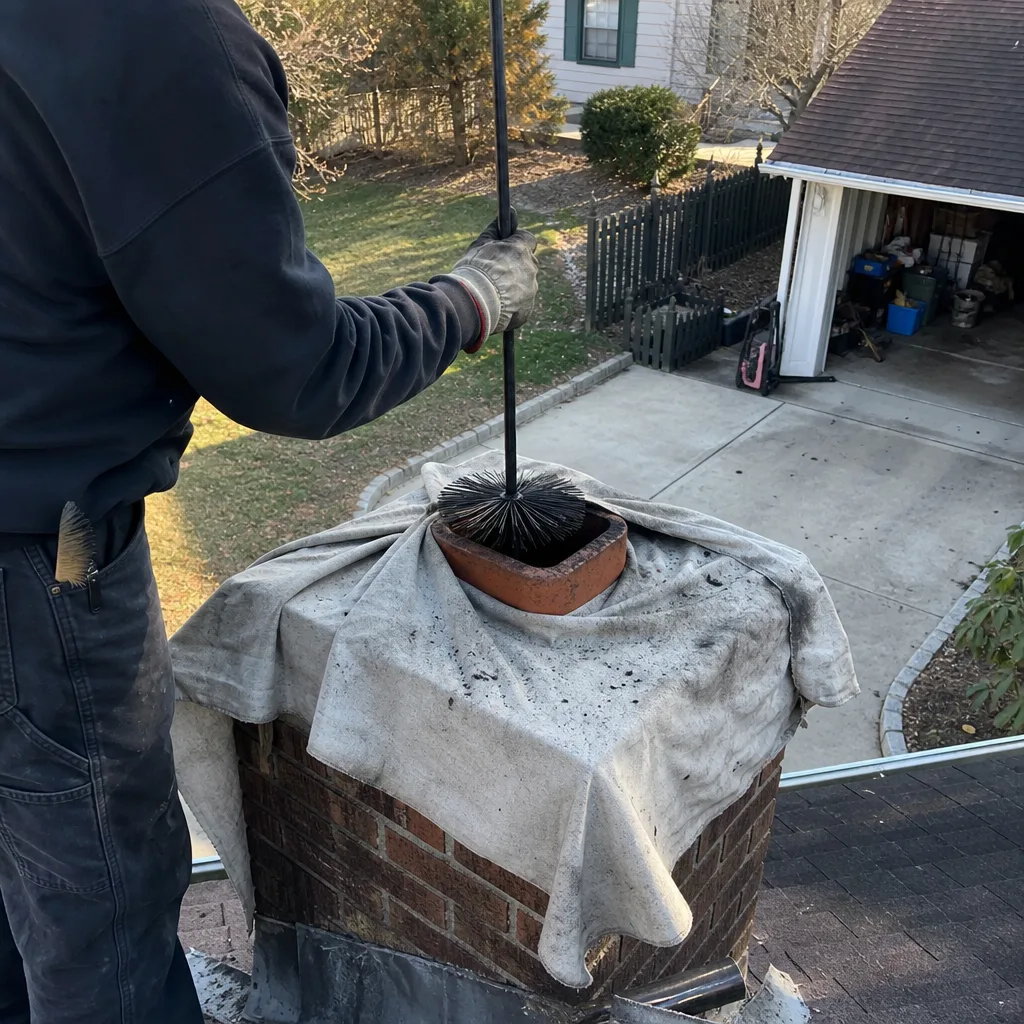
These five questions, asked in this order, will reveal whether you’re hiring a documentation company or a brush-and-vacuum operation. Write them down. Ask them on the phone. The responses you receive are more predictive of service quality than any online review.
Question 1: “What does your inspection specifically include?”
Listen for specificity. A legitimate contractor will describe a process: visual examination of accessible exterior components, interior evaluation of the firebox and smoke chamber, and camera scan of the flue liner from top to bottom. Vague language like “we check everything” or “full inspection” without elaboration suggests no standardized protocol.
In Wilmington, where many chimneys serve original coal-conversion fireplaces or mid-century modifications, the inspection protocol matters enormously. A proper evaluation must assess whether the flue liner is appropriately sized for the appliance it serves. An oversized flue for a modern gas insert causes condensation and premature deterioration. An undersized flue for a wood-burning stove creates draft problems and creosote accumulation. Only a camera scan with measurement capability can document this accurately.
Question 2: “Does a camera enter the flue, and do I receive the footage or images?”
This is the dividing line. NFPA 211 Level 2 requires “video scanning or other means of inspection” where accessible. If the contractor says they “can add” camera service for an upcharge, they’re charging extra for the standard of care. If they say they “don’t usually need to” unless there’s a visible problem, they’re performing Level 1 inspections and billing as if they’re Level 2.
Ask follow-up questions: What camera system do you use? (Common professional systems include Chim-Scan and Wohler.) How long is the typical footage? How do I receive it? A contractor who documents every job will have immediate, specific answers. One who treats camera service as exceptional will hesitate or deflect.
Question 3: “What does the written deliverable look like?”
Demand description, not assurance. A legitimate written report contains: date of service, technician name and license number, appliance and chimney type, liner material and condition assessment, creosote classification and thickness measurement, recommended actions with priority ranking, and photographic or video documentation. It should be formatted for submission to insurance or real estate transactions.
At Level Two Chimney Wilmington, every report follows the Haven Standard format developed from our 38,000+ inspections. The report is generated on-site, reviewed with the homeowner before the technician departs, and archived for future reference. Clause 4 of the Haven Standard requires this documentation practice on every single job, not as an optional add-on.
Question 4: “What does your warranty cover, and is it in writing?”
Verbal warranties are worthless. Ask what happens if: the sweep damages a liner during cleaning; debris falls and obstructs the flue within 30 days; a repair performed fails within the first year; or the inspection misses a condition that a subsequent contractor identifies. The answers should reference specific warranty language, not general goodwill.
Our 365-Day Done Right Promise, stamped on every job under the Haven Standard, provides explicit remedy language: if any aspect of the work fails to meet the documented scope, we return and correct it at no charge. The promise is in writing, on the original estimate, before work begins.
Question 5: “Is the price fixed before work starts, or can it change after you arrive?”
The correct answer: “The price is fixed and in writing before we begin.” Any variation, “we’ll assess on site,” or “it depends what we find,” opens the door to pressure tactics. Wilmington homeowners in neighborhoods like The Highlands and Brandywine Hills have reported arriving at a quoted price, only to face a doubled invoice when the technician “discovers” an urgent condition that wasn’t mentioned during booking.
This isn’t to say conditions don’t exist that require additional work. They do. The distinction is whether additional work is documented with camera evidence you can see, quoted separately with its own fixed price, and accepted or declined without pressure. Clause 1 of the Haven Standard, “Have it in writing,” means every scope has its own price, its own warranty, and its own signature line.
CSIA Certification vs. NFPA 211 Level 2: What You’re Actually Getting
Homeowners researching chimney contractors encounter two acronyms: CSIA and NFPA 211. They’re not equivalent, and understanding the difference protects you from paying certification premium prices for basic service.
CSIA stands for Chimney Safety Institute of America. CSIA certification is a technician credential. It indicates an individual has passed examinations on chimney systems, codes, and safety practices. It’s valuable. It doesn’t, by itself, define what happens during your service call. A CSIA-certified technician can perform a cursory visual inspection or a comprehensive camera scan. The certification doesn’t specify the scope.
NFPA 211 is the National Fire Protection Association standard for chimneys, fireplaces, vents, and solid fuel-burning appliances. It defines three levels of inspection:
- Level 1: Visual examination of readily accessible portions. No tools, no camera, no roof work. Appropriate for annual maintenance when no changes have occurred.
- Level 2: Includes Level 1, plus examination of accessible attics, crawl spaces, and basements, and video scanning or other inspection of internal surfaces. Required upon sale or transfer of property, after an operating malfunction or external event, or when adding or replacing an appliance.
- Level 3: Includes Levels 1 and 2, plus demolition of building components as necessary to access concealed areas. Reserved for suspected hazards that cannot be evaluated otherwise.
The critical distinction: CSIA certification describes who performs the work. NFPA 211 Level 2 describes what the work must include. A contractor can employ CSIA-certified technicians and still perform only Level 1 inspections unless their business practice explicitly incorporates Level 2 protocols.
In Wilmington’s real estate market, where home sales in neighborhoods like Little Italy and Wawaset Park often trigger inspection requirements, NFPA 211 Level 2 compliance is the standard that matters. Mortgage insurers and home warranty companies reference NFPA 211, not CSIA, in their documentation requirements. When we perform Chimney Cleaning & Sweep in Wilmington, the Level 2 camera scan is default, not optional, because that’s the documentation standard that protects homeowners in transactions.
Ask your contractor: “Do you perform NFPA 211 Level 2 inspections as standard, or only upon request?” If Level 2 is an upcharge, you’re paying extra for the baseline standard of care.
How to Verify a Wilmington Contractor’s License
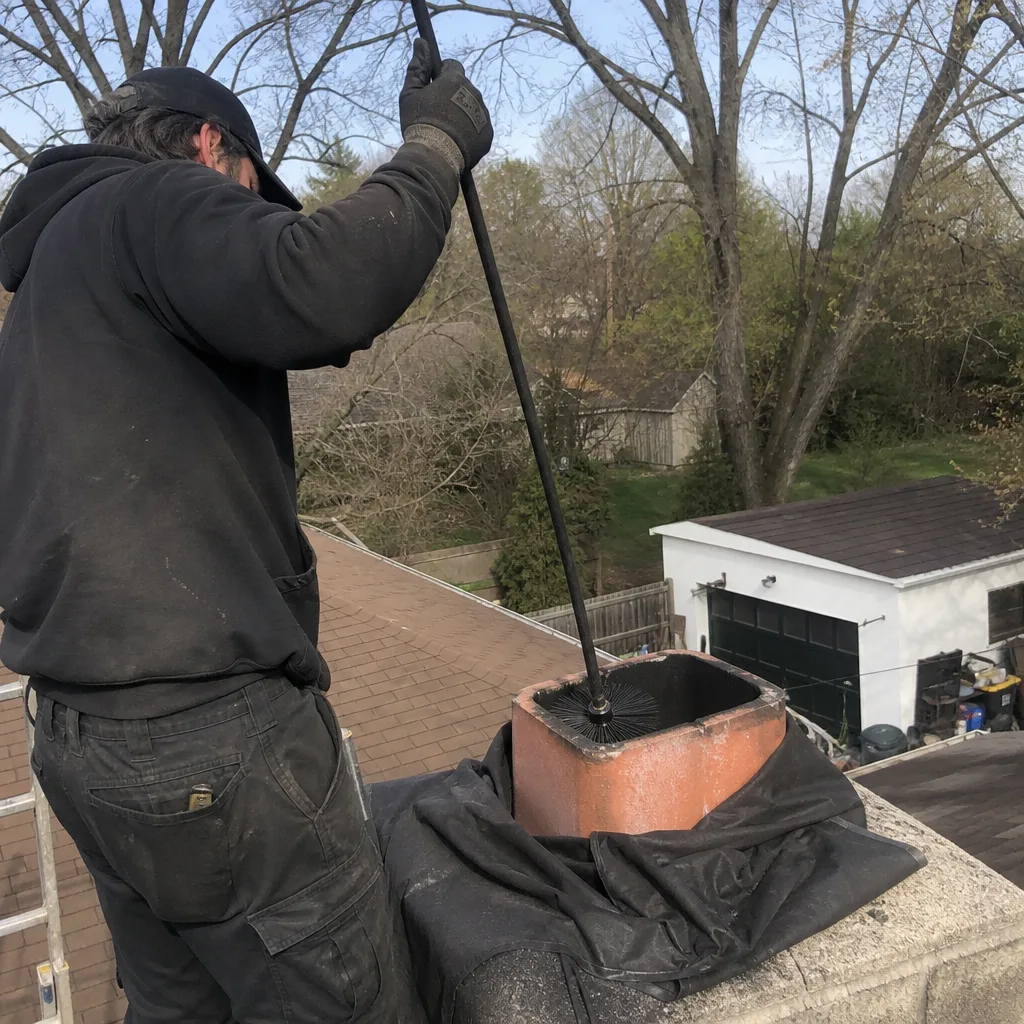
Delaware requires chimney contractors to hold appropriate professional licenses, and verification takes under three minutes. This step eliminates unlicensed operators before you invite them into your home.
- Visit the Delaware Division of Professional Regulation website. Search for “Delaware Division of Professional Regulation license lookup” or navigate directly to the state’s professional license portal.
- Search by business name or individual name. Enter the company name exactly as it appears on their website or quote. If searching by individual, use the technician name if provided.
- Verify license status and expiration. Active status is required. Note the expiration date and any disciplinary actions or complaints on record.
- Confirm the license covers chimney services. Delaware licenses contractors by classification. Ensure the license held matches the work being performed. A general handyman license does not cover chimney-specific work involving gas lines, structural modifications, or liner installation.
- Ask for the license number before booking. Reputable contractors provide this without hesitation. At Level Two Chimney Wilmington, license information appears on every page and every written estimate. If a contractor deflects or claims verification is “unnecessary,” that’s your signal to continue searching.
Wilmington sits in New Castle County, which maintains additional contractor registration requirements for work within county jurisdiction. Contractors working in city limits should carry both state licensure and any applicable county or municipal registrations. Don’t assume compliance, verify it.
The verification step matters particularly for Chimney Repair in Wilmington involving crown reconstruction, liner replacement, or structural rebuilds. These projects require permits and inspections through the City of Wilmington’s Department of Licenses and Inspections. An unlicensed contractor cannot pull these permits, leaving you with unpermitted work that complicates future sales and insurance claims.
What a Legitimate Written Estimate Contains
A written estimate is a contract precursor, not a marketing piece. It should contain specific elements that protect both parties and establish clear expectations. Here’s what to demand:
Scope Line Items
Each discrete task appears as a separate line: inspection (with level specified), sweep/cleaning, individual repairs with materials specified. “Clean chimney and inspect” as a single line item is insufficient. “NFPA 211 Level 2 inspection with camera scan of flue liner; mechanical sweep of smoke chamber and firebox; Class III creosote removal per findings” is specific and actionable.
Liner Condition Statement
The estimate must reference the current liner condition based on camera evidence, not assumption. In Wilmington’s older housing stock, we regularly encounter clay tile liners with spalling (surface flaking), cracked tiles at mortar joints, or complete liner failure in homes where previous “inspections” reported no issues. The estimate should state: “Liner condition: [specific finding], based on camera scan dated [date].”
Materials Specification
For any repair or replacement, the estimate names the materials. We source stainless steel liner systems from DuraFlex and Olympia Chimney, crown repair materials from HeatShield, and caps and accessories from Gelco and Famco. Generic references like “stainless liner” or “quality materials” allow substitution with inferior products. Specific naming enables you to research and verify.
Exclusions
An honest estimate states what is not included. Common exclusions: masonry repair beyond the immediate chimney structure, roof work required to access the chimney, remediation of animal nests or deceased animals, repair of hidden damage revealed during work. These aren’t surprises; they’re standard limitations that honest contractors disclose upfront.
Warranty Terms
The warranty section specifies duration, coverage scope, and remedy process. Our 365-Day Done Right Promise covers all workmanship for one year from completion date. Materials carry manufacturer warranties ranging from lifetime (DuraFlex stainless liners) to 10-20 years (various cap and crown systems). The estimate specifies which warranty applies to which component.
Fixed Price
The price at the bottom is the price you pay, contingent only on scope changes you approve in writing. Not “estimate subject to change,” not “plus materials at cost plus markup.” A fixed price for a fixed scope. This is Clause 1 of the Haven Standard: “Have it in writing.” Before any work starts. Every time. No exceptions in our 38,000+ jobs since 2009.
Red Flags in Contractor Responses
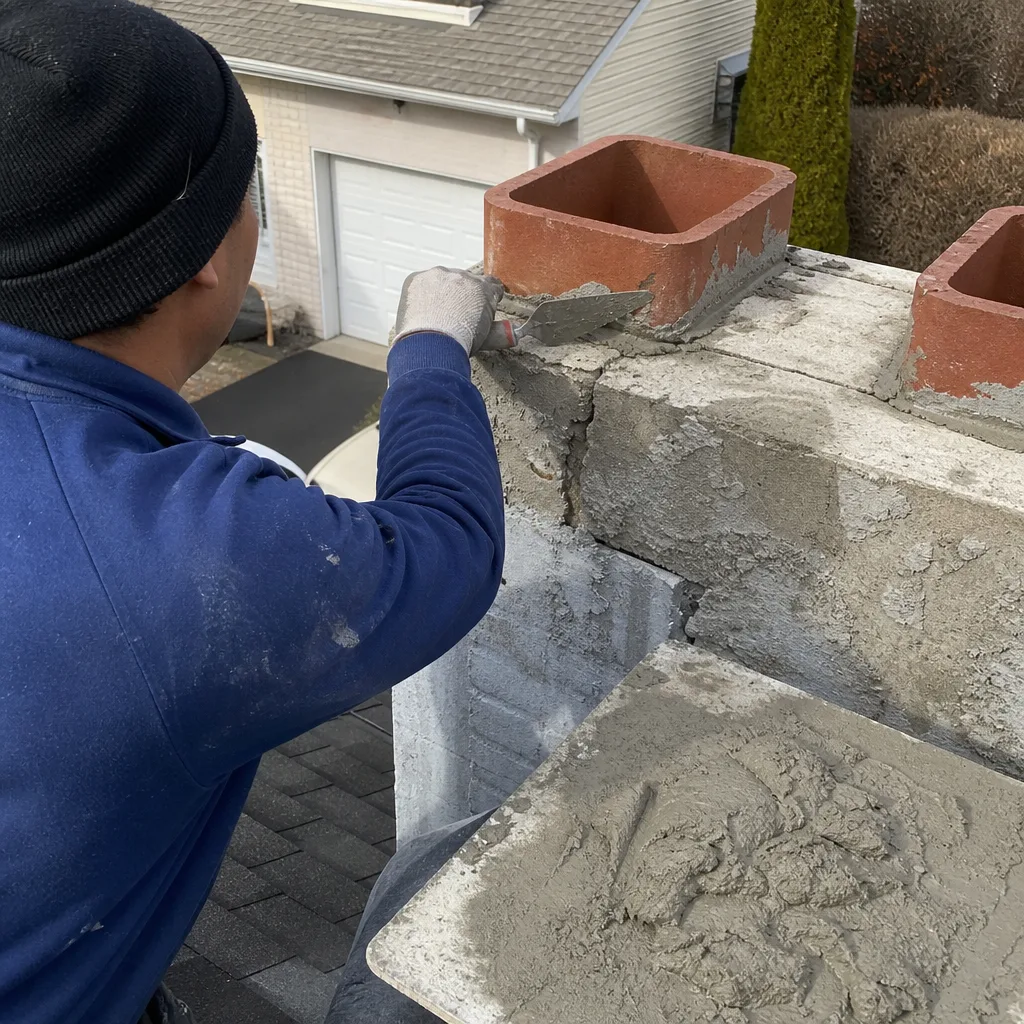
Certain phrases and practices signal operational problems that predict poor service or disputed bills. Watch for these specific warning signs:
- “We’ll assess when we get there.” This means no fixed price, no defined scope, and maximum flexibility for the contractor to escalate costs. A proper inspection can be performed and quoted before work authorization.
- Verbal-only pricing. Any price not in writing can be disputed, forgotten, or revised. Delaware courts rarely enforce verbal construction agreements. Get it in writing or decline the service.
- No written report offered. If the contractor doesn’t produce documentation as standard, they’re not performing documented work. This is particularly common with seasonal “chimney sweep specials” that prioritize volume over quality.
- Pressure to decide immediately. “This price is only good today” or “I can do it now for less” indicates a sales operation, not a service operation. Legitimate chimney work doesn’t depreciate overnight.
- Refusal to provide license number or proof of insurance. Basic professionalism. Any hesitation is disqualifying.
- Payment required in full before work begins. Standard practice is partial deposit with balance due at completion, or payment upon satisfactory completion for smaller jobs. Full prepayment eliminates your leverage if work is substandard.
- No local address or verifiable physical presence. Fly-by-night operators often use mail drops or virtual offices. Verify the business address through Delaware’s corporate registration database.
In Wilmington’s seasonal market, these red flags cluster around fall advertising blitzes. Contractors from Pennsylvania and Maryland cross state lines to capture Delaware’s burning-season demand, often without proper licensure or local accountability. Verify before you book, not after you have a problem.
Wilmington-Specific Factors That Affect Your Chimney
Wilmington’s geography, climate, and housing stock create distinct chimney conditions that informed contractors address specifically. Our Seasonal Chimney Cleaning Care for Wilmington: Year-Round Homeowner’s Guide covers maintenance timing in detail.
Coastal humidity and freeze-thaw cycles: Wilmington’s position on the Delaware River exposes masonry chimneys to higher humidity than inland locations, accelerating mortar deterioration. Winter temperature swings, with daytime highs near 40°F and overnight lows in the teens, create expansion-contraction stress in brick and concrete crowns. We regularly identify crown cracking and spalling in Riverfront and Christina Landing properties that appeared intact from ground level.
Pre-war construction with unlined or partially lined flues: Homes built before 1940 in neighborhoods like Cool Spring and Trinity Vicinity often have original brick chimneys without clay tile liners, or with “parged” (smoothed mortar) linings that have deteriorated to expose rough brick. These conditions require camera documentation because visual inspection from the hearth cannot assess the full flue condition.
Coal-to-oil-to-gas conversion histories: Many Wilmington chimneys served coal furnaces originally, were adapted for oil, then converted to natural gas. Each conversion may have left an improperly sized flue, a missing liner section, or a disused thimble (opening) that creates draft problems or moisture intrusion. Only a camera scan with dimensional assessment can document these conditions.
Tree canopy and debris accumulation: Wilmington’s mature neighborhoods, particularly along Delaware Avenue and in Rockford Park, have extensive tree cover. Leaves, twigs, and squirrel nests obstruct flues and cap screens. A proper inspection includes evaluation of the cap and crown for animal intrusion evidence, not just creosote assessment.
Local permit requirements: The City of Wilmington requires permits for chimney rebuilds, liner replacements, and structural modifications. Work performed without permits voids homeowner’s insurance coverage for related claims and creates disclosure obligations in real estate transactions. Your contractor should handle permit procurement as part of the project scope.
For Fireplace Services in Wilmington, these local factors determine whether a simple sweep suffices or whether liner evaluation and potential replacement are the prudent course. The camera scan removes guesswork.
Common Mistakes to Avoid
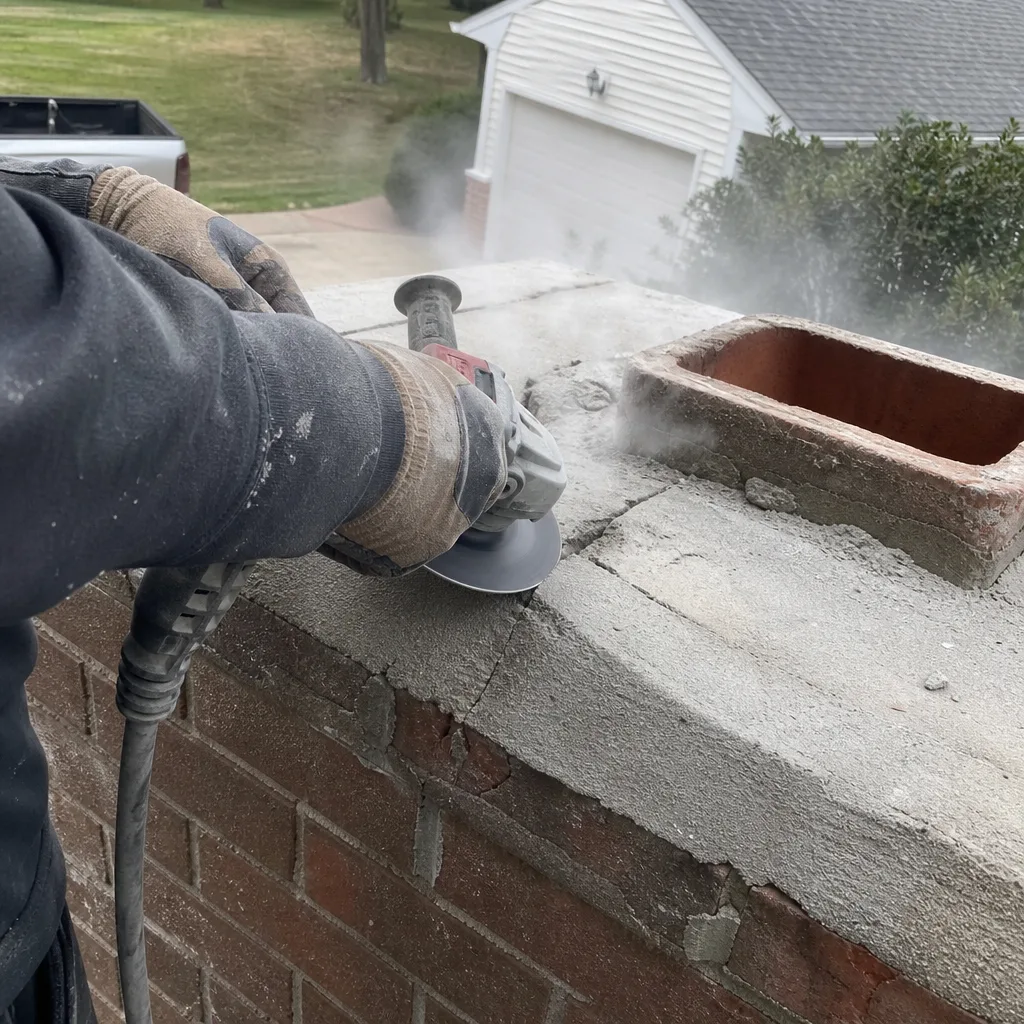
- Equating low price with good value. The $149 sweep that omits camera documentation costs more than the $249 sweep that produces an insurance-grade report when you later need to prove liner condition for a home sale or claim.
- Booking based on availability alone. The contractor who can come tomorrow in October may be available because other homeowners have declined them after checking credentials. Verify first, schedule second.
- Neglecting to ask about the technician who will actually arrive. Some companies subcontract or use rotating crews. Ask whether you’ll receive a named technician, whether they’re background-checked and uniformed, and whether you’ll receive notification when they’re en route. The Haven Standard’s “Arrive on schedule” and “Verified crews” clauses address these specifics.
- Accepting verbal descriptions of “problems” without visual evidence. Every recommended repair beyond routine sweeping should be supported by camera footage or photographs you can see. If the technician describes “cracked tiles” but can’t show you, decline additional work until you obtain a second opinion.
- Failing to retain documentation. The written estimate, completed report, and photo record belong in your home file with other major system documentation. They transfer with the property and protect against future disputes.
- Ignoring seasonal timing. Wilmington’s burning season runs October through March. Scheduling inspection in spring or summer provides time to address findings before cold weather, and often yields more flexible appointment availability.
- Not obtaining a second opinion on major repairs. If a contractor recommends liner replacement exceeding $2,000, crown rebuild, or structural work, our Free Second Opinion on Any Written Estimate service reviews their documentation and provides independent assessment. No charge. No obligation.
When to Call a Professional
Call a qualified chimney contractor when: you haven’t had an NFPA 211 Level 2 inspection within the past 12 months; you notice draft problems, smoke backup, or unusual odors; you’re purchasing or selling a home; you’ve changed heating appliances or fuel types; or you’ve experienced a chimney fire, lightning strike, or seismic event. For more guides & resources, visit our blog. In Wilmington’s climate, annual inspection is prudent even for rarely used fireplaces, moisture intrusion and animal nesting occur regardless of burn frequency.
Level Two Chimney Wilmington offers free estimates throughout Wilmington and surrounding New Castle County. Every estimate includes a written scope, fixed price, and explanation of what documentation you’ll receive. Call (610) 546-5053 to schedule, or request our Free Second Opinion on any competitor’s written quote. Live phone support is available 24 hours a day, 7 days a week.
Frequently Asked Questions
A proper chimney sweep with NFPA 211 Level 2 camera inspection in Wilmington typically ranges from $200-$350, depending on appliance type, accessibility, and creosote classification. Basic sweeps without camera documentation may advertise lower prices but omit the inspection component that protects your home and satisfies insurance requirements. Call (610) 546-5053 for an exact quote on your specific system, estimates are free.
You need a new liner when camera inspection reveals cracked or missing clay tiles, gaps at mortar joints, or corrosion in metal liners that allow combustion gases to escape into living spaces. Not every chimney needs relining, many function safely with intact original liners. We recommend relining only when camera evidence shows failure, and we show you the footage before quoting any work. Call (610) 546-5053 for a documented evaluation.
NFPA 211 recommends annual inspection for all chimney systems, with sweeping frequency determined by creosote accumulation. In Wilmington, where many homeowners burn seasoned hardwood or use gas inserts, annual inspection often reveals that sweeping is needed every 1-3 years depending on use patterns. Heavy use of unseasoned wood, which is common when homeowners source locally from Delaware woodlots, accelerates creosote buildup and may require more frequent service.
Skipped maintenance allows creosote accumulation to progress from Class I (soot) to Class III (glazed, tar-like deposits that resist removal and ignite at lower temperatures), increasing chimney fire risk. Undetected liner deterioration permits carbon monoxide intrusion into occupied spaces, and moisture intrusion through cracked crowns causes progressive masonry damage that escalates repair costs. The documented inspection catches these conditions before they become hazardous or expensive. Call (610) 546-5053 to schedule before burning season.
A chimney sweep removes combustible deposits (creosote, soot) from the flue and firebox. A chimney inspection evaluates system condition, clearance to combustibles, and structural integrity. NFPA 211 Level 2 combines both: the sweep occurs after camera inspection documents pre-existing conditions. Be wary of contractors who “sweep first, inspect later,” debris removal can obscure damage that the inspection should have documented.
Yes, through the Delaware Division of Professional Regulation’s online license lookup. Search by business or individual name, confirm active status and appropriate classification, and verify no disciplinary history before scheduling. Reputable contractors provide license numbers voluntarily. Level Two Chimney Wilmington displays license information on every page and every written estimate. If a contractor hesitates to share this information, select a different provider.
The Bottom Line
Hiring a chimney contractor in Wilmington comes down to documentation discipline. The five questions in this guide, asked in order, separate contractors who can prove their work from those who ask you to trust it. Demand camera evidence of liner condition, written scope and price before authorization, and a warranty you can enforce. Verify licensure independently. Retain your documentation. The small premium for proper inspection protocol pays for itself in avoided disputes, insurance compliance, and the confidence that your chimney system is genuinely understood, not superficially cleaned.
Written by Corrine Halstead, Owner at Level Two Chimney Wilmington, serving Wilmington since 2009.