
Last updated September 22, 2026
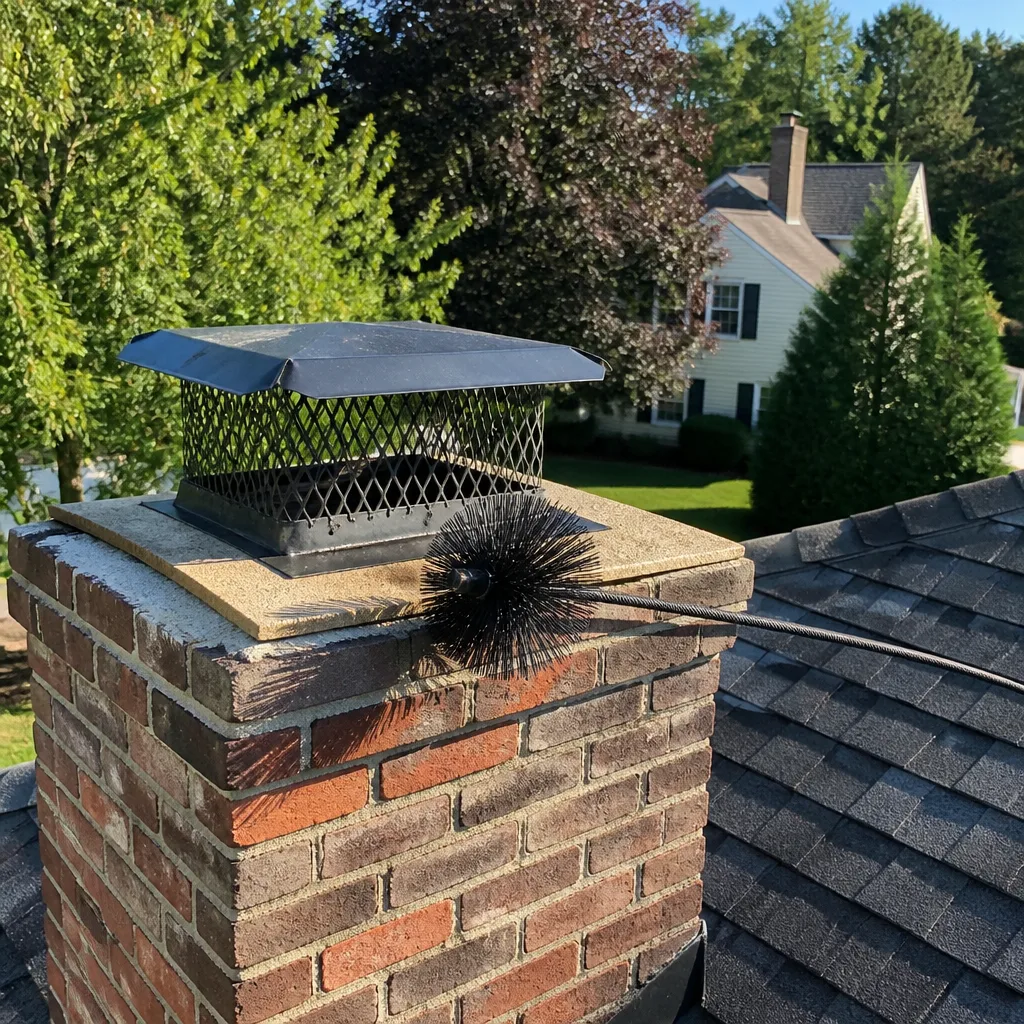
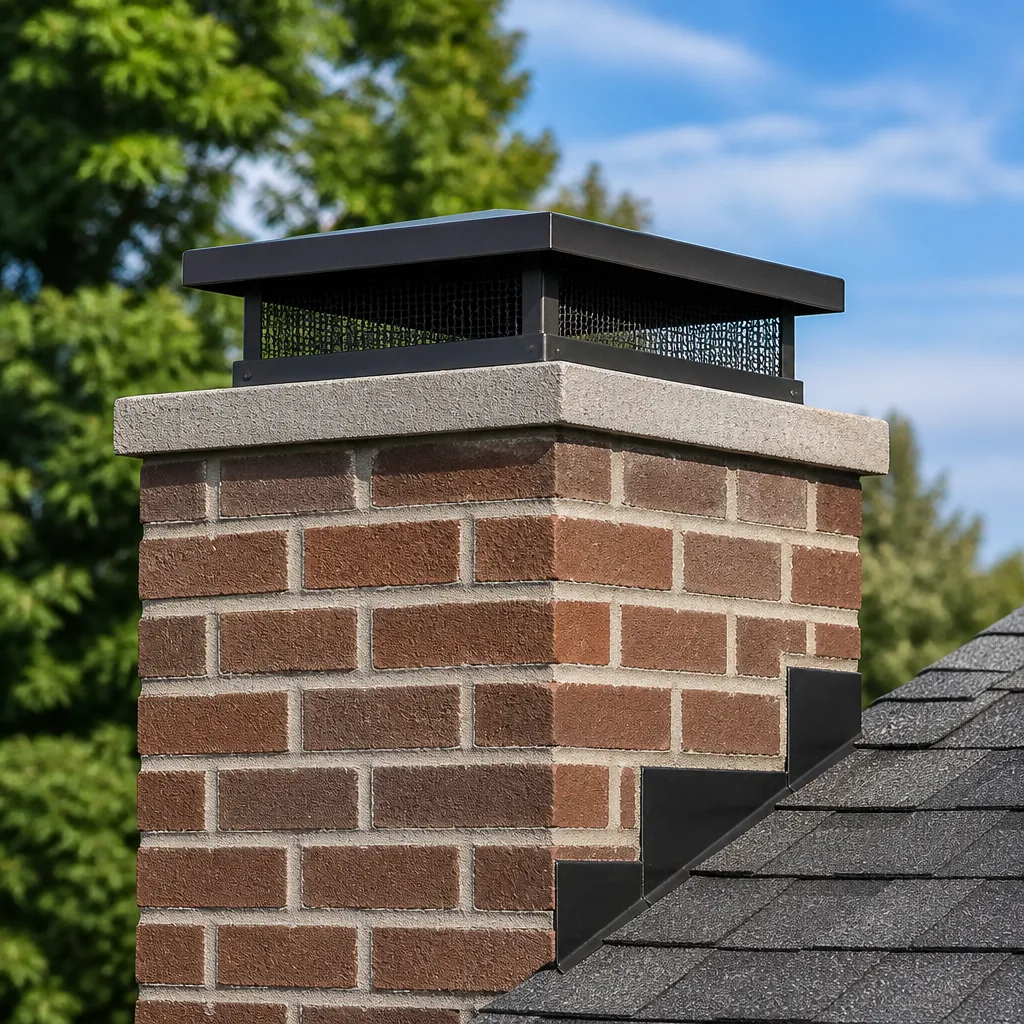
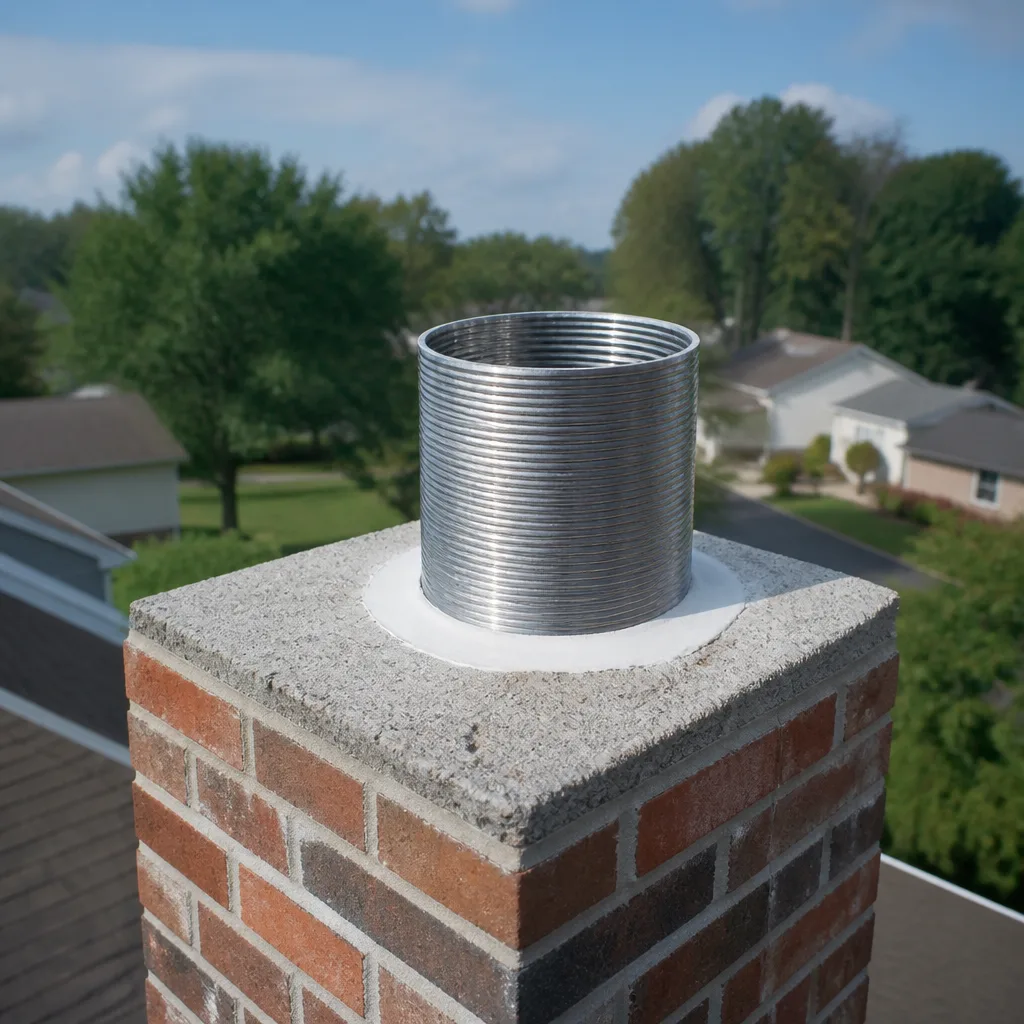
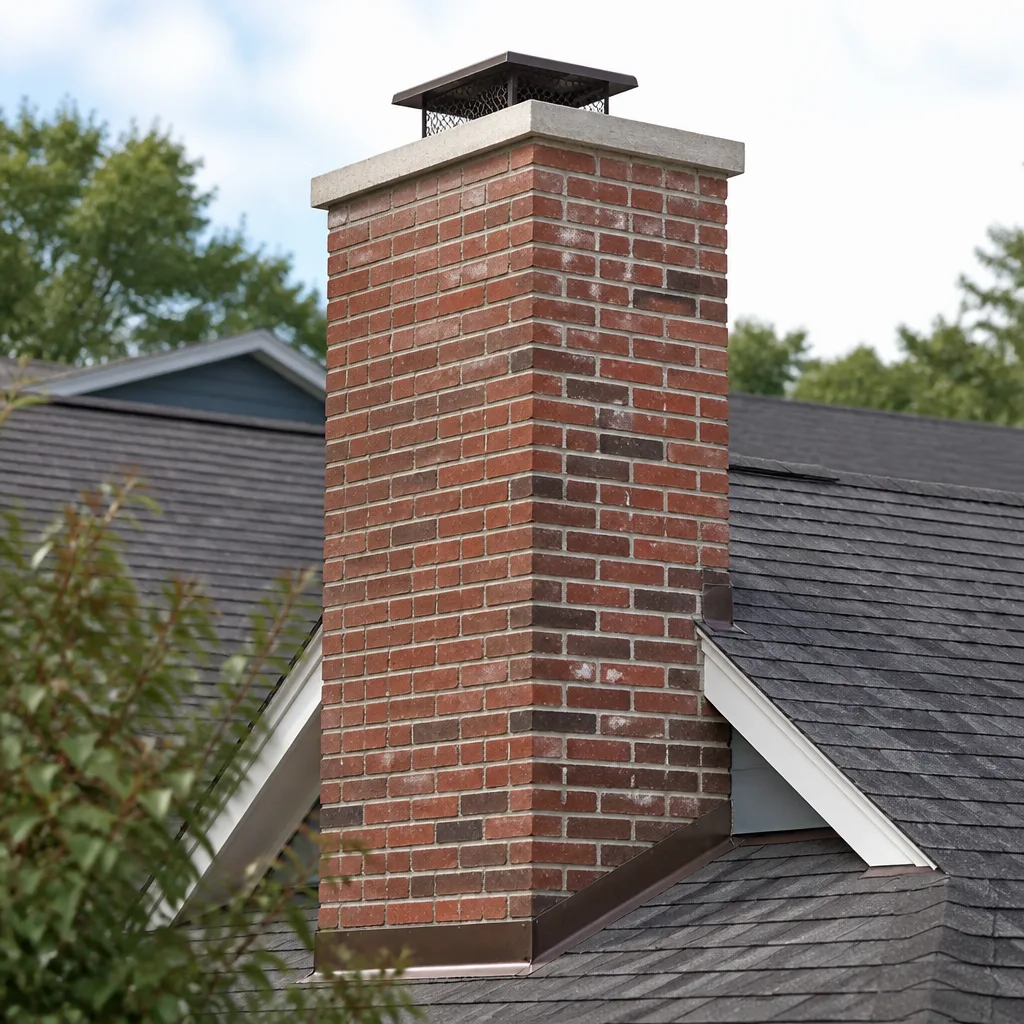
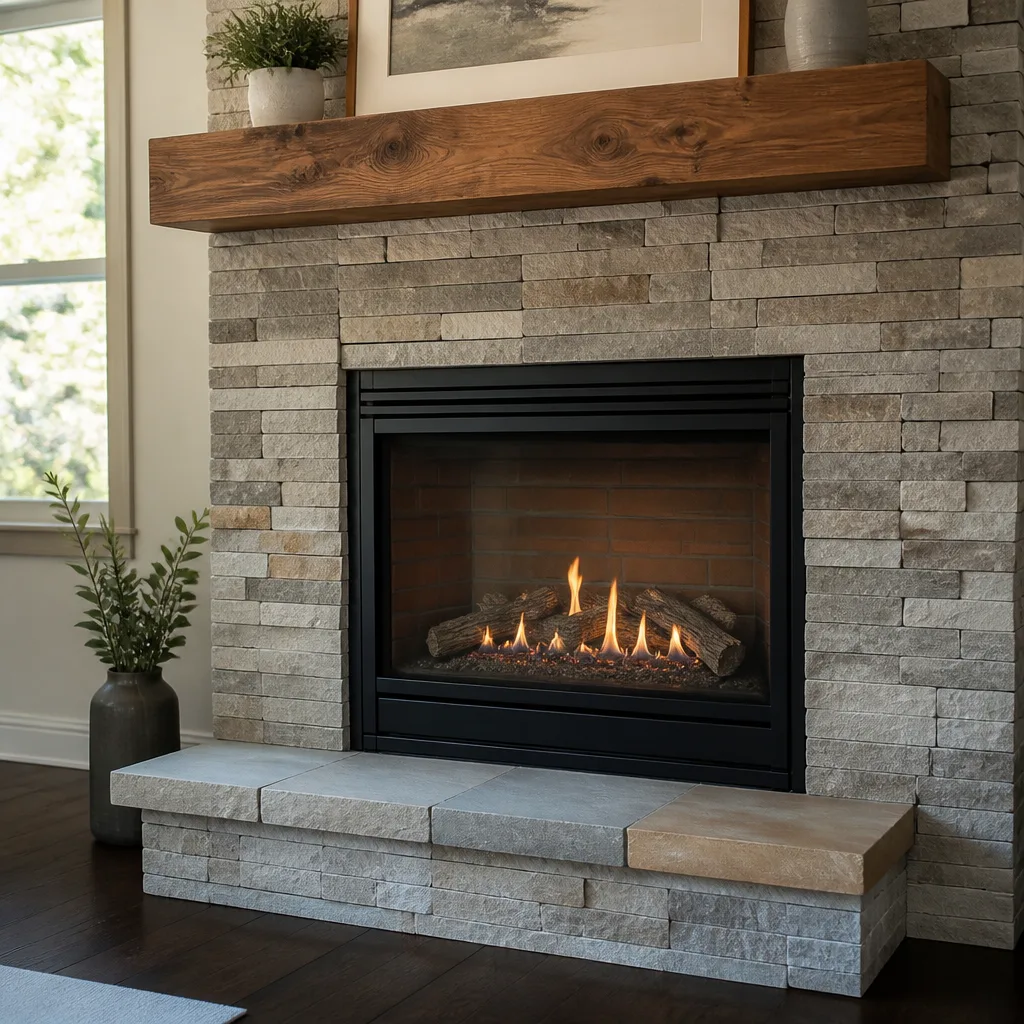
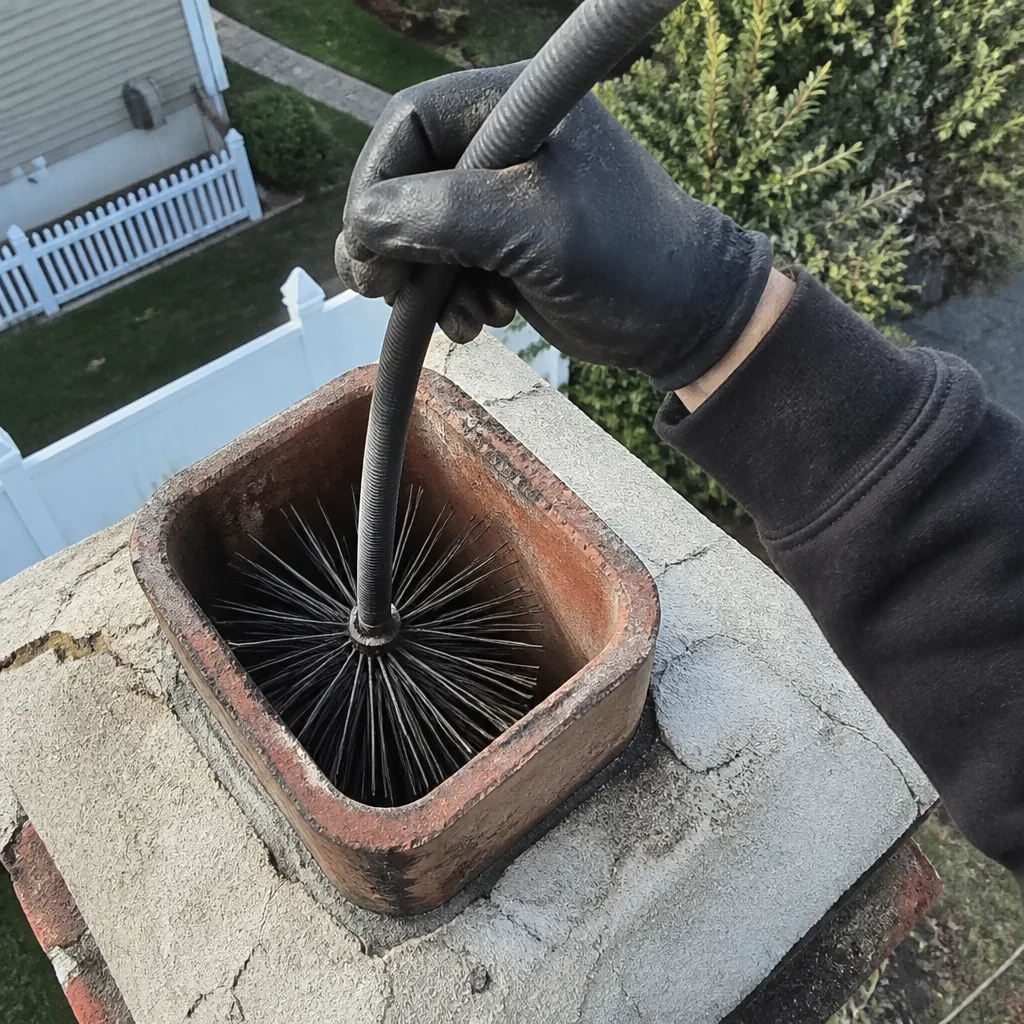
Level 1 sweep and inspection to the NFPA 211 annual standard - flue, crown, cap, and flashing checked and photographed
Chimney sweep logs do not sweep chimneys. They loosen some creosote - which then falls where a brush and vacuum still have to collect it.
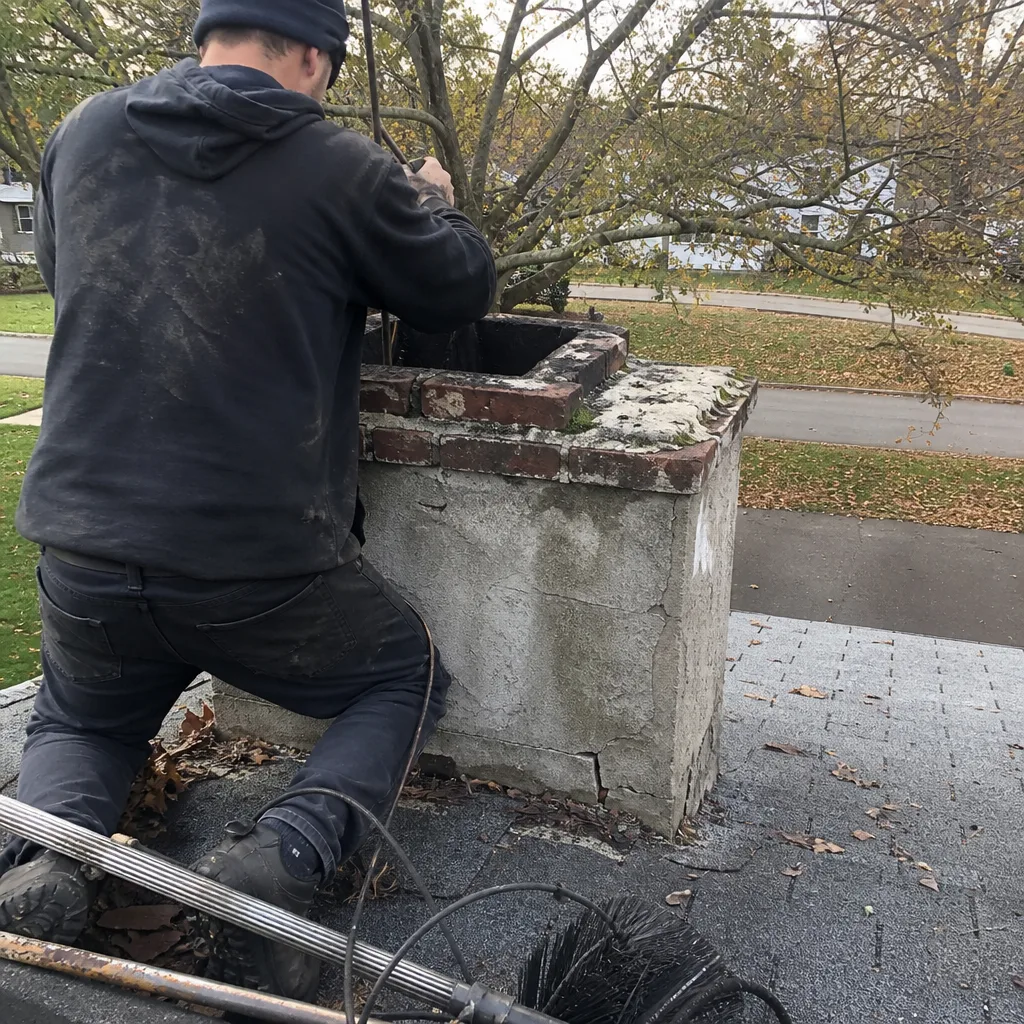 Before
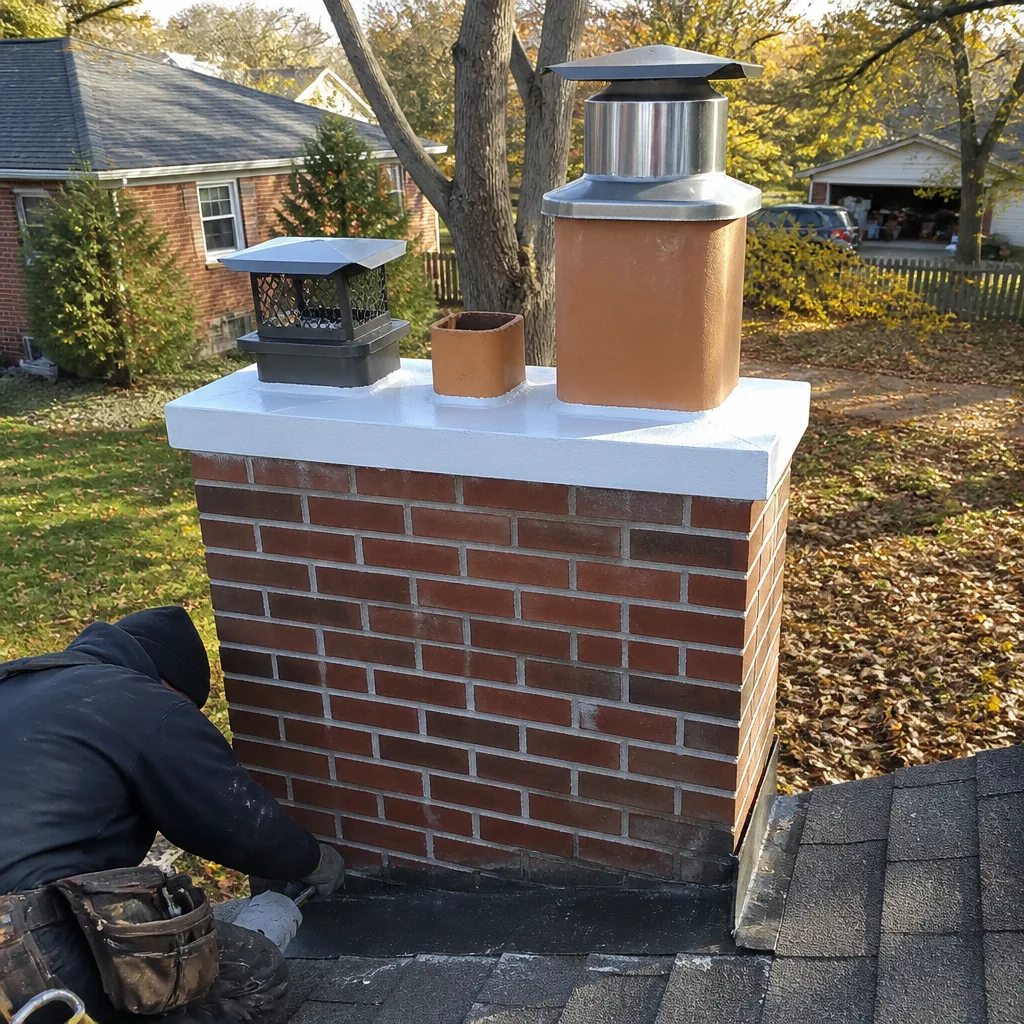 After
After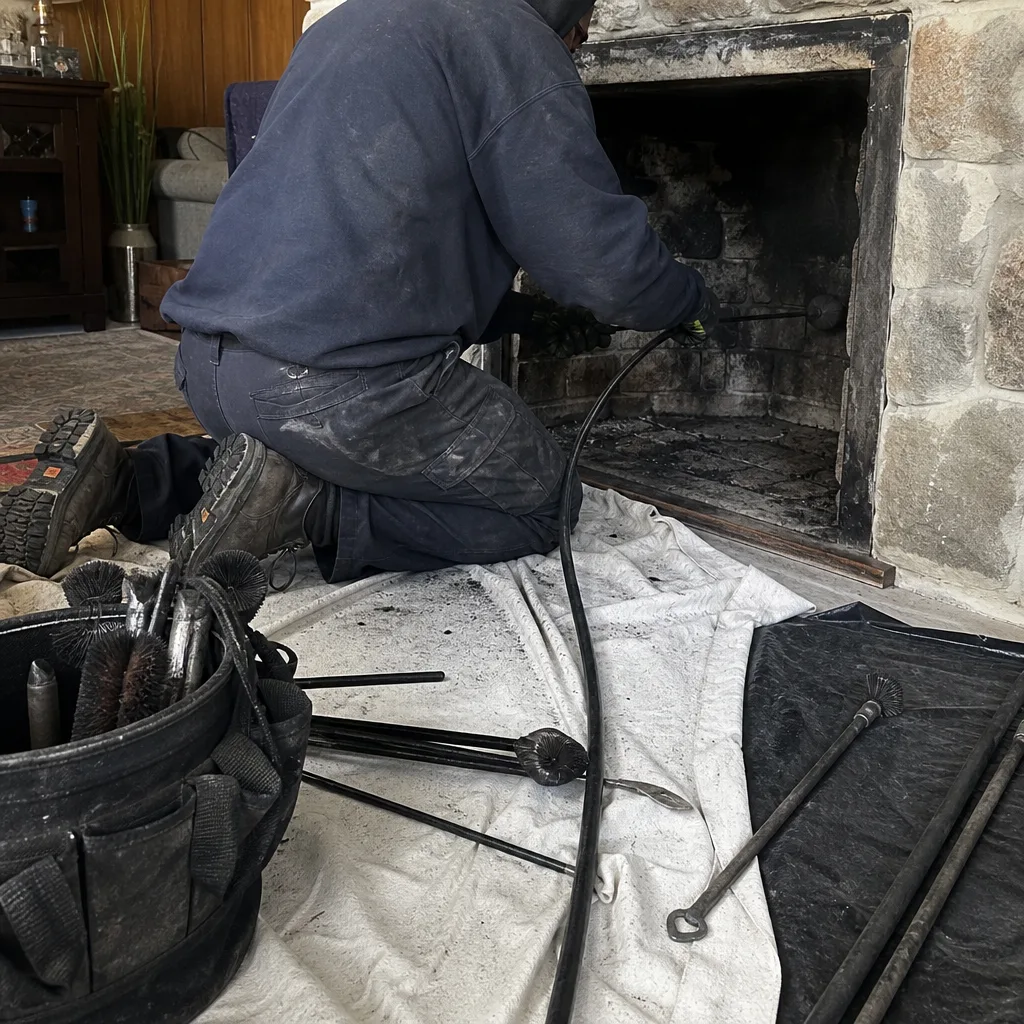 Before
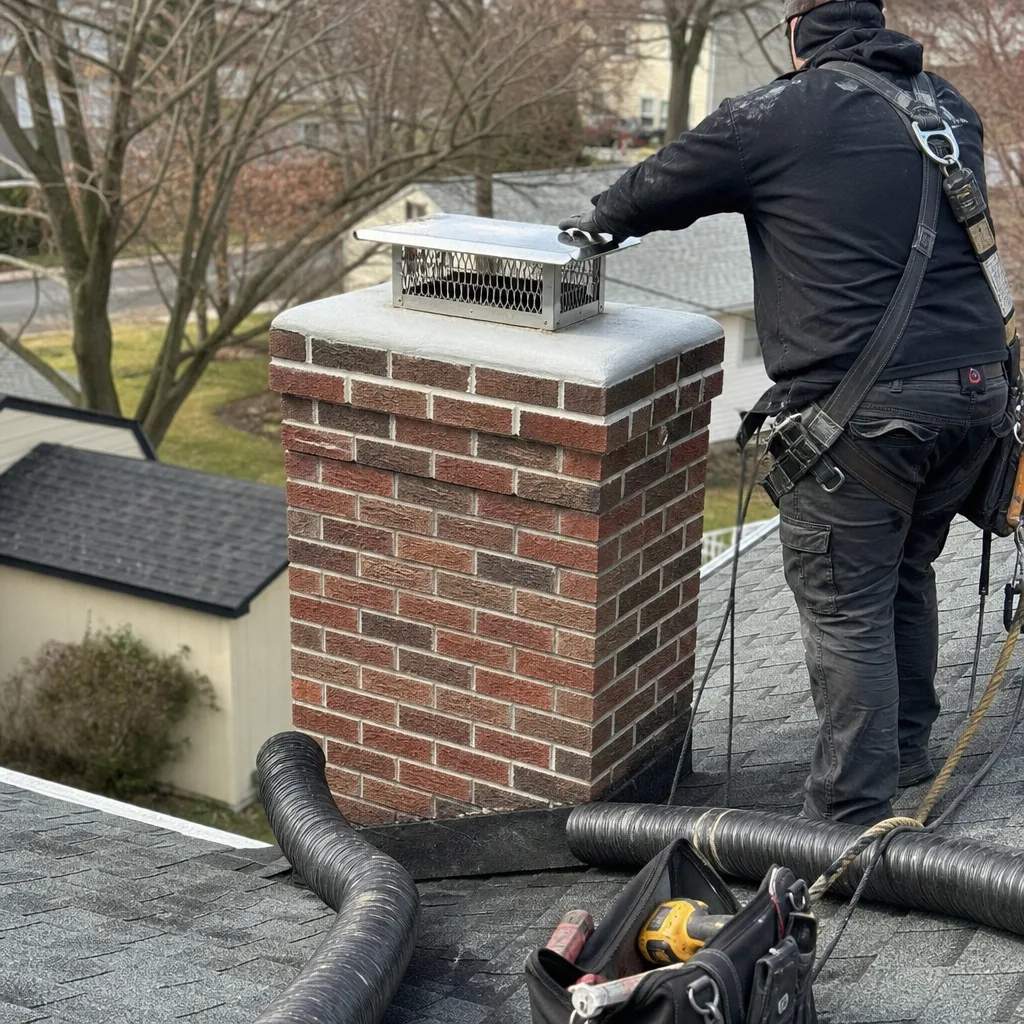 After
After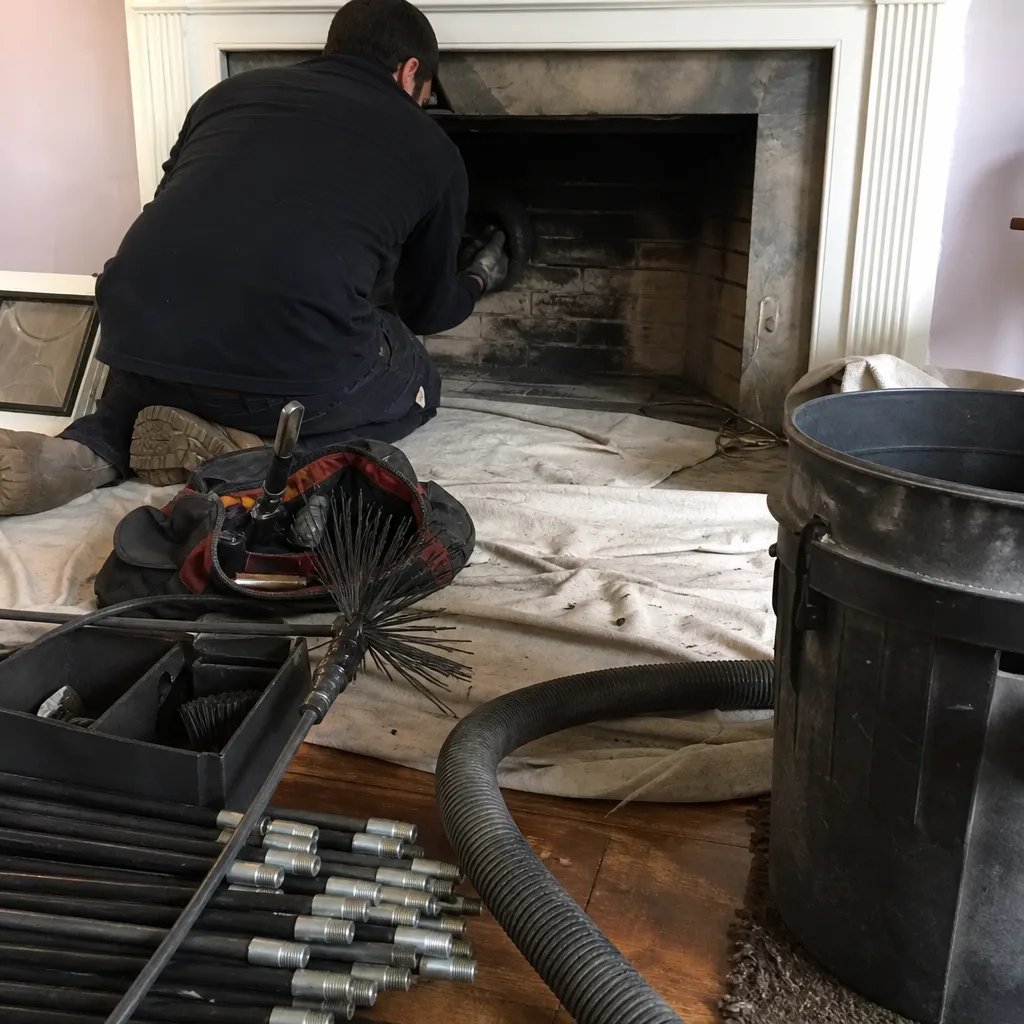 Before
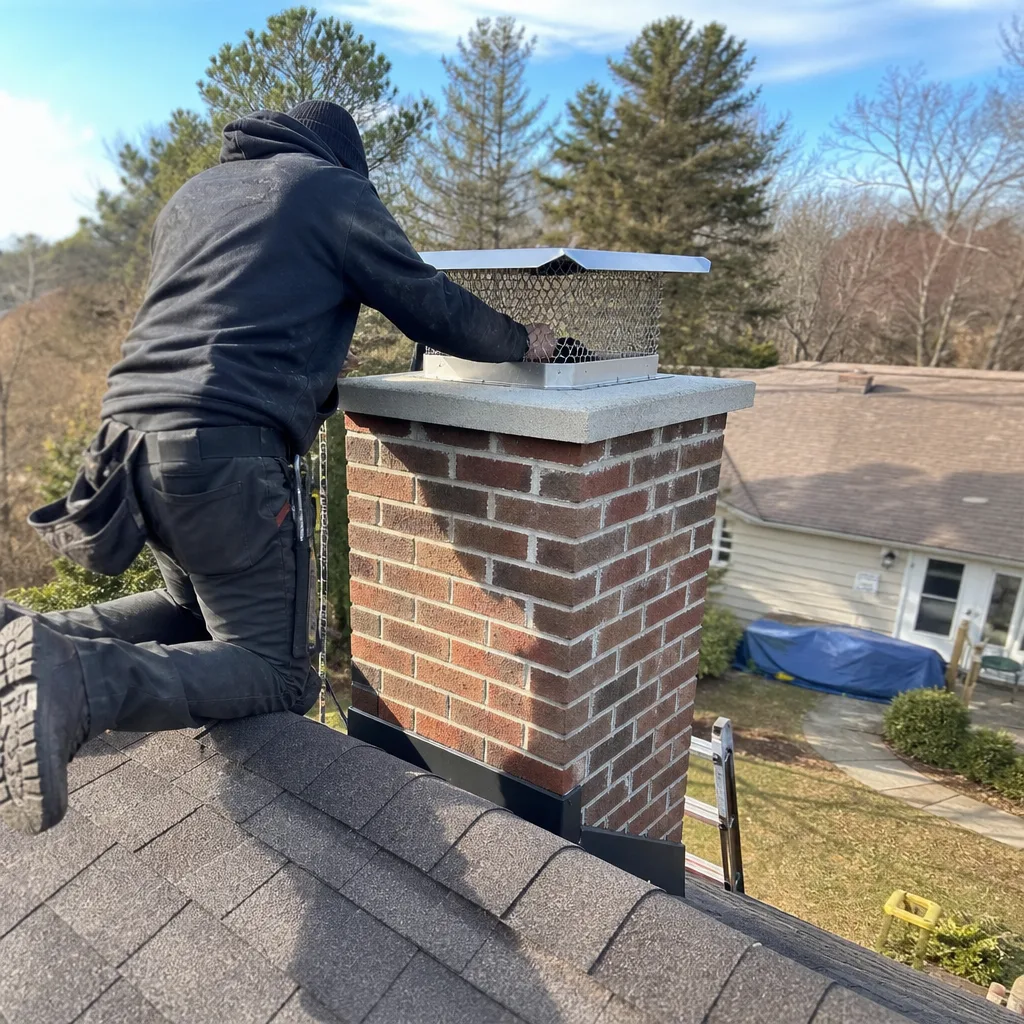 After
AfterSeasonal Chimney Cleaning Care for Wilmington: Year-Round Homeowner’s Guide
Scheduling your chimney cleaning in October puts you in the longest queue of the year and means any liner damage found gets repaired in November, when mortar curing times get unpredictable in Wilmington’s damp cold. August is the better month, and the reasoning is straightforward. In this guide, we’ll walk through why Wilmington’s Atlantic humidity, dense tree canopy, and storm patterns create a maintenance calendar that looks nothing like the generic advice you’ll find on national sites, and what to do each quarter to protect your flue between professional visits.
Quick Answer
Most Wilmington homeowners should schedule their chimney sweep and Chimney Cleaning & Sweep in Wilmington in August, before the fall rush and after summer nesting season ends. Wood-burning fireplaces need annual Level 2 camera inspection and cleaning; gas appliances still need flue inspection every 2-3 years despite producing minimal creosote. Between professional visits, check your chimney cap after every named storm, monitor crown mortar for moss intrusion, and never burn unseasoned wood, which accelerates Class III glazed creosote buildup in Wilmington’s humid shoulder seasons.
Table of Contents
- Why October Is the Wrong Month in Wilmington
- Wilmington’s Risk Calendar: What Each Season Actually Does
- Wood-Burning vs. Gas: Two Completely Different Schedules
- Storm Damage and the Atlantic Factor
- The Tree Canopy Problem You Can’t Ignore
- Your Quarterly Homeowner Checklist
- What Professionals Do That You Can’t
- Costs, Timing, and What to Expect
 Before
 After
AfterWhy October Is the Wrong Month in Wilmington
Every national chimney guide tells you to book in October. In Wilmington, that’s the worst possible timing.
Here’s what actually happens when you call in October. You’re joining every other homeowner who just smelled their first cold front. Our schedule at Level Two Chimney Wilmington home fills 3-4 weeks out. If we find cracked flue tile, spalling crown mortar, or a compromised chimney cap, your repair gets pushed into November. And November in Wilmington means temperatures that hover in the 40s and 50s with 70% humidity, conditions where Type N mortar needs 48-72 hours to cure properly and may never reach full strength if a cold snap hits.
We’ve seen this exact scenario in neighborhoods from Trolley Square to North Wilmington. A homeowner books their sweep October 15. We camera-scan the flue October 22 and find vertical cracks in the terracotta liner. The repair gets scheduled November 5. Temperatures drop to 38°F that night. The new liner collar seal doesn’t set. We have to return.
August solves every piece of this. Nesting season is over. Storm season hasn’t peaked. Mortar cures predictably in 80-degree heat. And if we find damage, you have six weeks of reliable weather to complete Chimney Repair in Wilmington before you need the fireplace.
The only exception: if you burned heavily last winter and never scheduled a spring inspection, don’t wait until August. Book now. Creosote left through a humid Wilmington summer absorbs moisture, becomes acidic, and accelerates liner deterioration. Spring moisture plus summer heat plus residual creosote equals accelerated spalling in clay flue tile. We’ve documented this pattern across hundreds of Wilmington inspections.
Wilmington’s Risk Calendar: What Each Season Actually Does
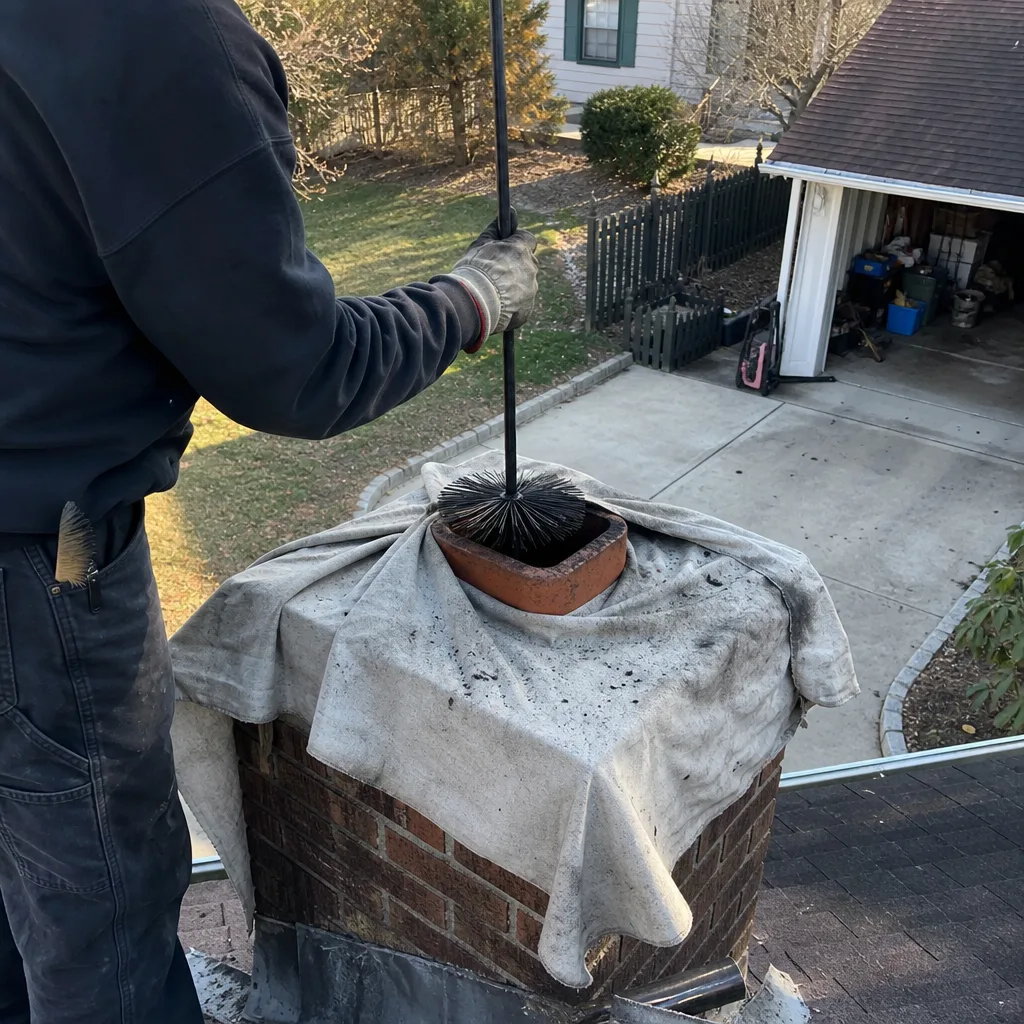
Spring (March-May): Moisture Infiltration Season
Wilmington’s spring isn’t gentle on masonry. Freeze-thaw cycles may be ending, but driving rain from nor’easters and spring thunderstorms exploits every crack in your crown, every deteriorated mortar joint, every gap where flashing meets brick. The city’s older housing stock, particularly in neighborhoods like Forty Acres and Wawaset Park, has chimneys built before modern crown overhang standards. Water hits the crown, runs to the edge, and wicks directly into the brick below instead of dripping clear.
What we find in spring inspections: efflorescence (white mineral deposits) on exterior brick, indicating water migration; rusted damper frames from condensation in the smoke chamber; and in unlined chimneys, puddled water at the flue base that we document with the camera.
Spring action: If you didn’t get a post-winter inspection, schedule one before May. The damage is already done by June, and summer humidity will keep it wet.
Summer (June-August): Nesting, Debris, and the Pre-Burning Window
Chimney swifts, starlings, and squirrels are active in Wilmington from late May through July. A missing or damaged cap means a nest in the flue by August. We’ve pulled nesting material that blocked 60% of a flue opening in Brandywine Hills, and the homeowner never knew because they hadn’t lit a fire since March.
Summer is also when we perform the majority of our annual sweeps for prepared homeowners. The work is identical to an October sweep, but the conditions are better, the schedule is open, and any follow-up repair happens in weather that cooperates.
Fall (September-November): The Rush and the Risk
September 15 is when our phone volume triples. By October 1, we’re booking three weeks out. The pressure to complete work before Thanksgiving means some homeowners skip the camera inspection to save time. This is a mistake we refuse to accommodate. Clause 4 of the Haven Standard requires a photo record on every job. No exceptions, even in November.
Fall is also when deferred spring and summer damage reveals itself. A crown crack that let water in all summer opens wider in the first freeze. The homeowner who “was going to call in August” now has active water intrusion and a burning season that starts in two weeks.
Winter (December-February): Burning Season and Deferred Maintenance
Wilmington winters are milder than Boston’s but harsher than Baltimore’s, with enough freeze-thaw to punish compromised masonry. The real winter risk isn’t the cold itself. It’s the homeowner who burns in a damaged system because they didn’t know it was damaged.
Class III glazed creosote, the hard, tar-like deposit that forms from burning unseasoned wood or restricting airflow, is more common in Wilmington than our northern service areas. Why? Our shoulder seasons are longer. Homeowners start burning in October when nights hit 50°F, running fires at low intensity for weeks. Low-intensity fires produce more incomplete combustion, more smoke, and more creosote condensation in cooler flue temperatures. By January, they’ve built a glazed layer that standard brushing won’t remove.
We document this with the camera. The photo shows a shiny black coating that looks like enamel paint. That’s Class III. It requires chemical treatment or rotary removal, not a standard sweep.
Wood-Burning vs. Gas: Two Completely Different Schedules
Most Wilmington homeowners with gas inserts or gas logs assume their flue needs minimal attention. The logic seems sound: no creosote, no problem. This assumption costs people liners.
Gas appliances produce water vapor, carbon dioxide, and in malfunctioning conditions, carbon monoxide. The flue still carries exhaust. The liner still experiences thermal cycling. And in Wilmington’s humid climate, condensation in an exterior chimney is more aggressive than in drier regions. We’ve found deteriorated gas flue liners in homes along the Christina River where the homeowner hadn’t had an inspection in eight years because “it’s gas.”
| Appliance Type | Inspection Frequency | Primary Risk | Typical Cost Range in Wilmington |
|---|---|---|---|
| Wood-burning fireplace (regular use) | Annual Level 2 camera inspection + sweep | Class III creosote, liner cracks, crown water intrusion | $280-$420 |
| Wood-burning fireplace (occasional use) | Annual Level 2 camera inspection; sweep as needed based on creosote class | Moisture damage from infrequent use, animal nesting | $240-$380 |
| Gas insert in existing fireplace | Level 2 camera inspection every 2-3 years; annual appliance service | Condensation corrosion, liner deterioration, CO leakage through old mortar joints | $220-$340 |
| Gas log set (vented) in existing fireplace | Level 2 camera inspection every 2-3 years | Deteriorated firebox refractory, compromised flue from prior wood-burning damage | $220-$340 |
| Pellet stove | Annual appliance service; flue inspection every 2 years | Fly ash accumulation, auger feed issues, venting blockages | $260-$400 |
The gas schedule surprises people. Here’s why it matters: many Wilmington homes built 1920-1960 have unlined brick chimneys originally built for coal or oil. Before any conversion, review Chimney Cleaning Permits, Codes & Inspections in DE: What You Need to Know. When a gas insert was installed in 2010, a flexible liner was dropped in. That liner is rated for gas temperatures, not wood. If you or a future owner switch back to wood without upgrading to a listed wood-burning liner, you’re creating a fire hazard we document regularly in the Forty Acres and Hilltop neighborhoods.
We always check the liner listing during our camera inspection. The metal tag at the top of the flue tells us the manufacturer, model, and approved fuel types. If it’s a gas-only DuraFlex or similar and you’re burning wood, we flag it immediately.
Storm Damage and the Atlantic Factor
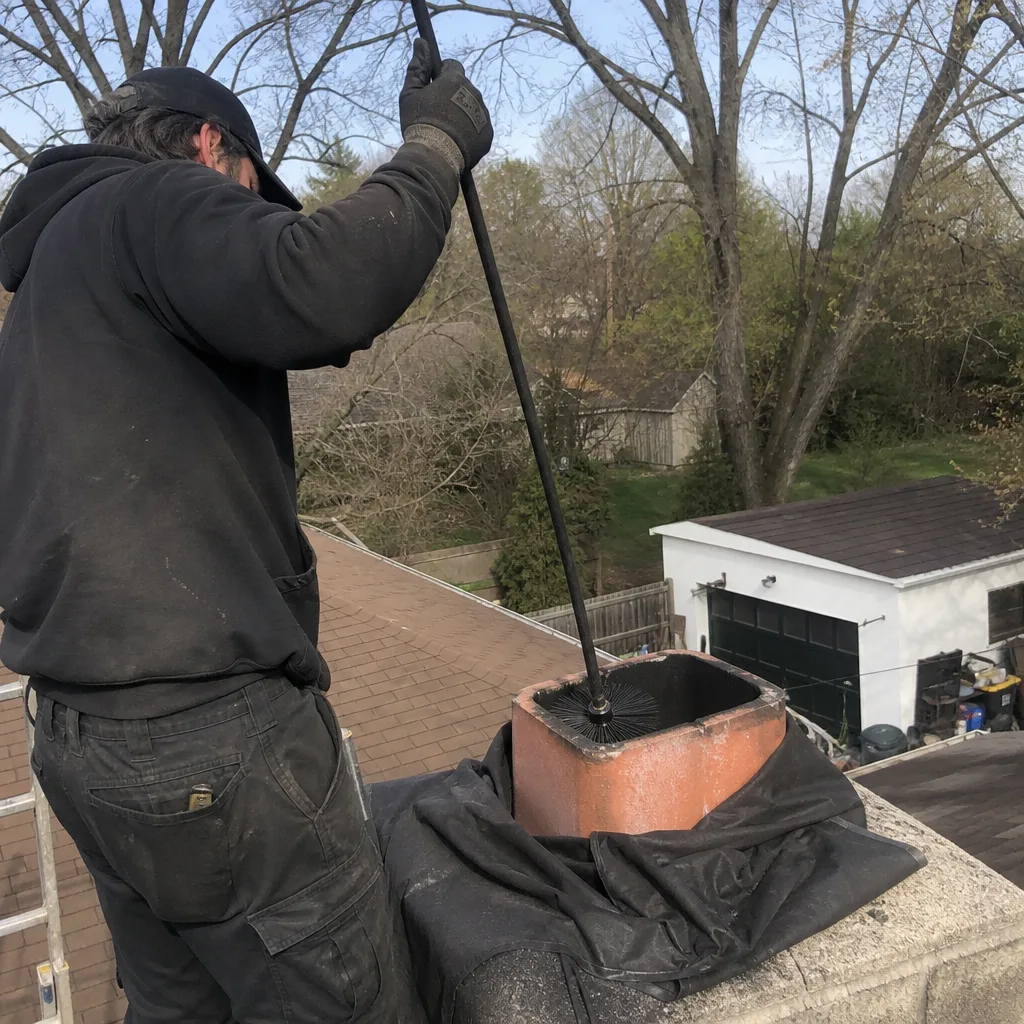
Wilmington sits far enough inland that hurricane headlines focus on the beaches, but close enough that every named storm delivers sustained winds, heavy rain, and the occasional tornado warning to New Castle County. Your chimney is the highest point on your roof. It takes the hit.
What to check after any named storm passes within 50 miles of Wilmington:
- Chimney cap position and attachment. Walk to the curb with binoculars. The cap should sit square and level. If it’s tilted, the wind has loosened the screws or damaged the mesh sides. A missing cap means open flue access for rain and animals.
- Flashing at the roofline. Look for lifted edges, gaps where step flashing meets brick, or new water stains on the ceiling near the chimney breast inside. Wilmington’s wind-driven rain exploits any flashing separation.
- Crown condition. From the ground, look for fresh cracking, chips at the edge, or pieces on the roof or ground. The crown is your chimney’s umbrella. Once it’s compromised, water enters the masonry core and freeze-thaw does the rest.
- Exterior brick and mortar. Spalled brick faces, fresh mortar loss, or leaning indicate structural stress from wind load or water saturation.
In 2021, after Tropical Storm Ida’s remnants passed through, we documented storm damage in 23 Wilmington chimneys over a two-week period. Most were cap or crown issues that became liner damage within six months because the homeowner didn’t know to look.
We don’t recommend climbing your roof to check. Use binoculars from the ground, or call for a post-storm inspection. Our documented photo record from Clause 4 of the Haven Standard gives you dated evidence for insurance if damage is found.
The Tree Canopy Problem You Can’t Ignore
Wilmington’s mature neighborhoods, particularly those developed before 1960, have oak and maple canopies that predate the houses. The shade is beautiful. The debris load on your chimney is constant.
Here’s what mature canopy coverage does:
- Leaf accumulation in the fall. Leaves pack against the chimney base, against the flashing, and into any gap in the crown. Wet leaf mass holds moisture against masonry for weeks.
- Acorn and helicopter seed drop in spring. These find their way into uncapped flues or through damaged mesh. One acorn won’t block a flue. Fifty will, and squirrels burying them in your chimney add insulation and obstruction.
- Moss and lichen growth on the crown and exposed brick. North-facing chimneys in shaded yards are worst affected. Moss roots into mortar joints, widening them. Freeze-thaw pops the mortar. The cycle accelerates.
- Reduced sun exposure. A chimney in full sun dries within hours of rain. A chimney in dense shade may stay damp for days. In Wilmington’s humid summers, “damp for days” means ongoing moisture intrusion.
We’ve replaced crowns in Wawaset Park and Trolley Square where moss intrusion was the primary failure mode, not age or poor original construction. The homeowners had no idea the shade was destroying their chimney.
What helps: Keep tree limbs trimmed to 10 feet from the chimney. This reduces direct debris drop and allows some sun penetration. Install a proper chimney cap with mesh sides, not just a rain pan. And schedule annual camera inspections so we can document crown condition before moss wins.
Your Quarterly Homeowner Checklist
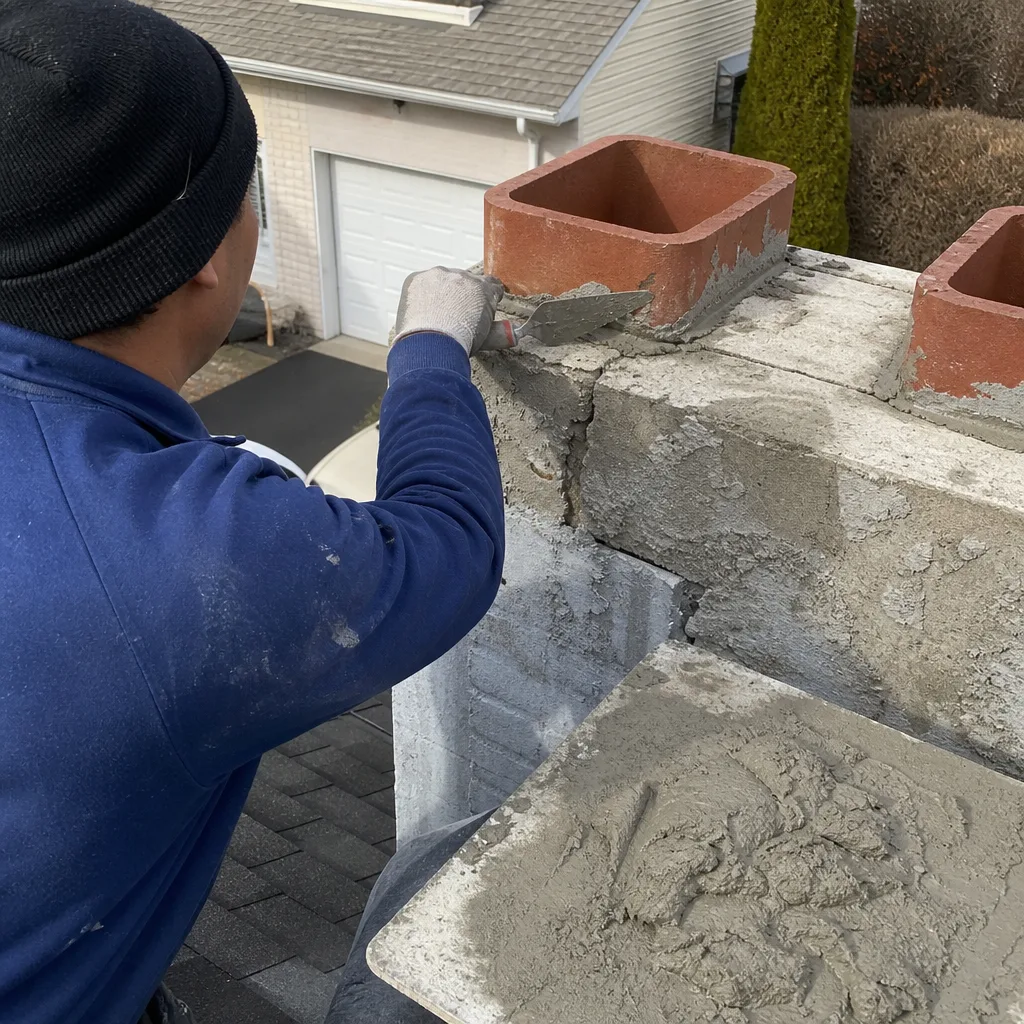
Between professional visits, specific actions by quarter preserve liner condition and catch problems early.
Spring (March-May)
- Inspect the firebox for white efflorescence or rust stains, indicating water entry.
- Check the damper operation. It should open fully and seat closed without binding. Rust from spring moisture is the usual culprit when it sticks.
- Walk the exterior after heavy rain. Look for water staining on brick, mortar washout at the base, or debris accumulation.
- Schedule your annual Level 2 inspection if you didn’t get one last fall.
Summer (June-August)
- Listen for animal activity. Scratching, chirping, or sudden flue odors mean nesting. Don’t light a fire to “smoke them out.” Call for removal and cap installation.
- Check the chimney cap from the ground. Storms and wind happen year-round.
- Book your sweep and inspection for late August if you’re due.
- Order firewood now if you burn wood. It needs 6-12 months to season properly. Wood burned this winter should be split and stacked by September 1.
Fall (September-November)
- Verify your sweep is complete and documented before first fire. Don’t assume last year’s inspection covers this year.
- Test smoke and CO detectors. Every level of the home, including the basement if you have a gas appliance there.
- Inspect stored firewood. It should be below 20% moisture (check with a $20 moisture meter). Surface cracks and lighter weight indicate proper seasoning.
- After first fire, check for smoke spillage into the room or unusual odors. Either indicates draft problems or flue obstruction.
Winter (December-February)
- Burn only seasoned hardwood. No pine, no construction scraps, no gift wrap. Wilmington’s humid air already challenges complete combustion.
- Build hot, fast fires rather than slow, smoldering ones. A hot flue prevents creosote condensation.
- Check exterior after ice storms. Ice load on caps and crowns causes mechanical damage.
- Schedule next year’s August appointment before February ends. You’ll get your preferred date.
What Professionals Do That You Can’t
Homeowner maintenance is essential. It doesn’t replace professional service. Here’s what our NFPA 211 Level 2 inspection includes that no homeowner can replicate:
Camera-scan documentation of the entire flue. We run a high-resolution camera from the firebox to the crown, recording every square inch of liner surface. We find cracks, gaps, joint separation, and creosote deposits that are invisible from the top or bottom. The photo record becomes Clause 4 documentation and your dated archive.
Smoke chamber evaluation. The smoke chamber, the area above the damper and below the flue, is where most chimney fires start. It’s also where DIY inspection ends, because you can’t see it without proper lighting and access equipment. We parget (smooth) smoke chamber walls when deterioration is found, using HeatShield or similar listed materials.
Combustible clearance verification. We check that framing, insulation, and other combustibles maintain proper clearance from the chimney structure. In Wilmington’s renovated older homes, we’ve found compromised clearances where previous owners modified walls or ceilings without understanding chimney encroachment.
Written scope, written price, written warranty. Before any work begins, you receive all three. This is Haven Standard Clause 1. No surprises, no post-work invoice inflation, no verbal promises.
Carbon monoxide testing where applicable. For gas appliances, we test ambient CO and appliance exhaust CO levels with calibrated equipment. A home CO detector won’t catch the subtle elevation that indicates a failing heat exchanger or flue leak.
Costs, Timing, and What to Expect
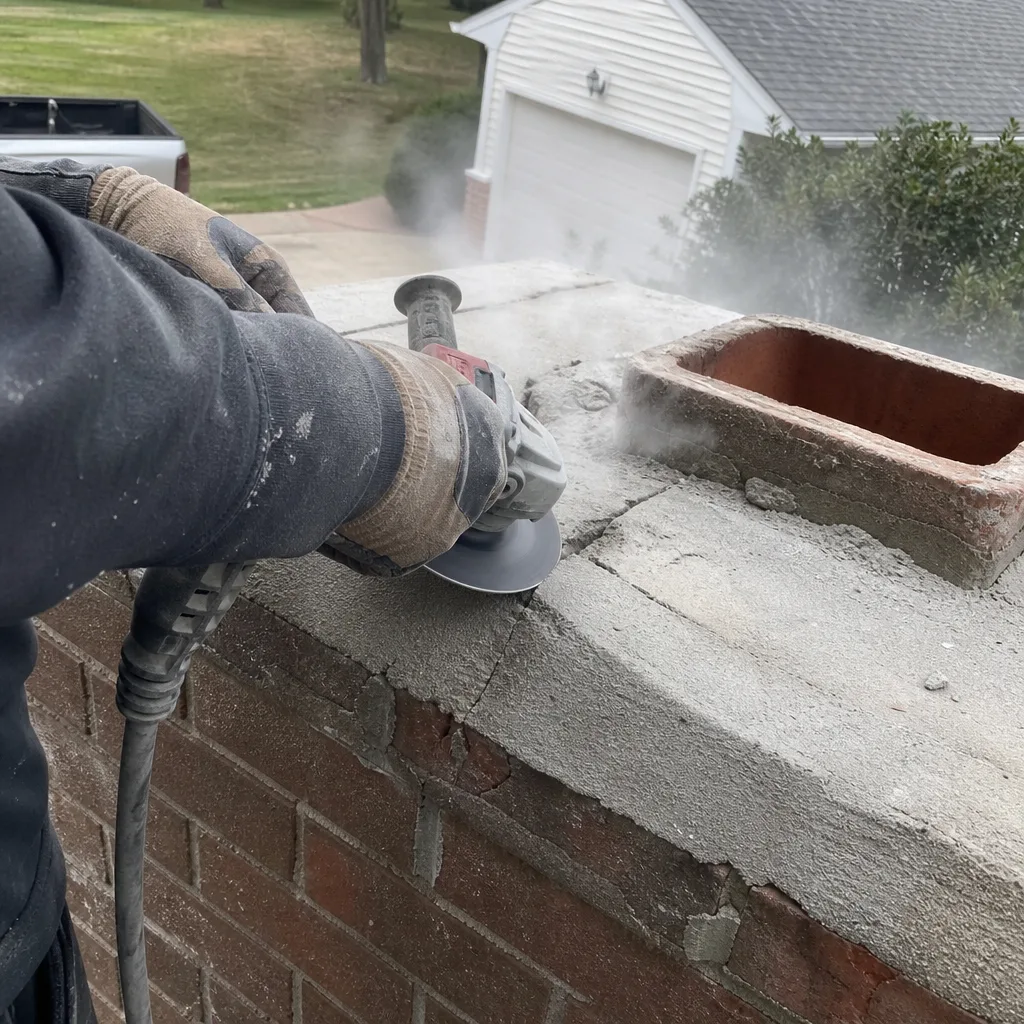
We name prices because “call for a quote” wastes your time and ours. These are the ranges for Chimney Cleaning & Sweep in Wilmington and related services as of 2024, based on actual quotes delivered under the Haven Standard:
| Service | Typical Range | What’s Included |
|---|---|---|
| Level 2 inspection with sweep (wood-burning, standard creosote) | $280-$420 | Camera-scan documentation, sweep, photo record, written condition report |
| Level 2 inspection (gas appliance, no sweep needed) | $220-$340 | Camera-scan documentation, CO testing, appliance evaluation, written report |
| Class III creosote removal (chemical or rotary) | $180-$320 additional | Treatment and removal of glazed deposits, follow-up camera verification |
| Chimney cap replacement (standard stainless) | $340-$580 | Famco or Copperfield cap, installation, flashing seal, photo documentation |
| Crown repair (minor crack sealing) | $280-$440 | Surface preparation, flexible crown sealant, edge drip detail |
| Crown rebuild (significant deterioration) | $1,200-$2,400 | Form and pour new concrete crown with proper overhang and slope |
| Flue liner repair (HeatShield cerfractory foam) | $1,800-$3,200 | Resurfacing of sound liner with minor defects, camera verification |
| Stainless steel liner installation (wood or gas) | $2,800-$5,500 | DuraFlex or similar listed liner, proper sizing, insulation where required, documentation |
Every quote is written and delivered before work starts. Our Free Second Opinion applies to any competitor’s written estimate. Bring it in. We’ll review their scope against what we find and explain any differences.
Timing: August bookings typically schedule within 5-7 days. October bookings stretch to 3-4 weeks. Emergency calls for suspected blockages or CO concerns are answered live 24/7 and scheduled same-day or next-day depending on severity.
Common Mistakes to Avoid
- Waiting for October because “that’s when you’re supposed to.” In Wilmington, October means long waits, rushed work, and repairs pushed into unreliable weather. August is the correct month.
- Assuming gas means “no maintenance needed.” Gas flues deteriorate from condensation and thermal cycling. The camera finds what you can’t smell or see.
- Burning wood from the tree service down the street. Fresh-cut oak reads 40-60% moisture. It won’t be ready this winter. Burn it now and you’ll build Class III creosote that requires expensive removal.
- Ignoring the chimney after a “near miss” storm. Tropical storms and nor’easters that don’t make national news still damage caps and flashing. Check from the ground, or call for a post-storm inspection.
- Accepting a sweep without camera documentation. A brush in the flue tells you nothing about liner condition. The camera is the inspection. Clause 4 of the Haven Standard requires it.
- Deferring crown repair because “it’s just the top.” The crown is the chimney’s roof. Water entering through a cracked crown destroys the liner, the smoke chamber, and eventually the firebox. Crown repair is cheap. Rebuild is not.
- Installing a cheap cap from a hardware store. Galvanized steel caps rust through in 2-3 years in Wilmington’s humidity. Stainless steel from Famco or Copperfield, properly sized and installed, lasts 15-20 years.
When to Call a Professional
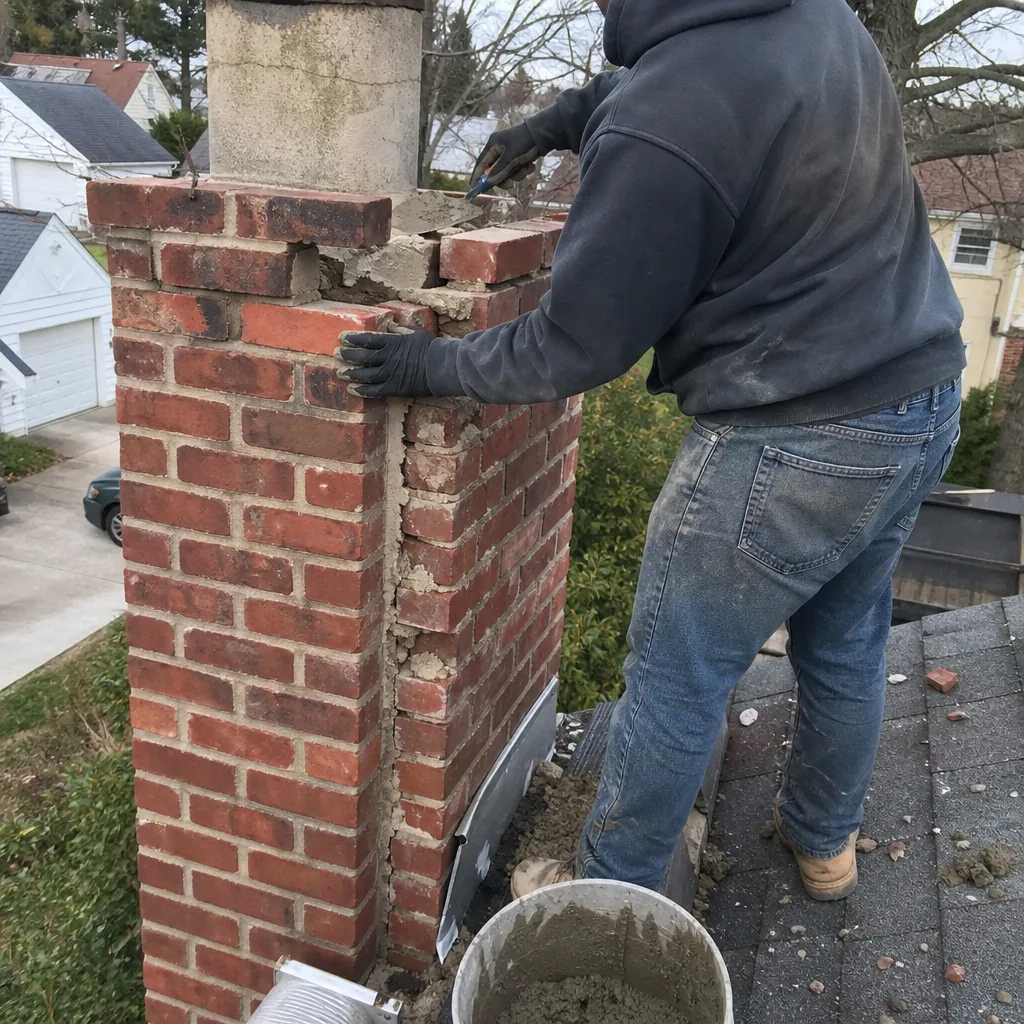
Call for immediate service if you smell smoke in rooms when the fireplace isn’t in use, if your CO detector alarms, if you hear animal activity in the flue, or if you see visible cracks in exterior brick or leaning of the chimney structure. These are not wait-and-see situations.
For routine care, call in August for your annual sweep and inspection, or now if you’re overdue. Fireplace Services in Wilmington from Level Two Chimney Wilmington include everything from routine maintenance to full liner replacement, always with written price before work starts and documented photo record on completion. Free estimates are available throughout Wilmington and surrounding areas. Call (610) 546-5053.
Frequently Asked Questions
A Level 2 chimney inspection with sweep for a wood-burning fireplace in Wilmington typically costs $280-$420, including camera-scan documentation and a written condition report. For a detailed breakdown, see our Chimney Cleaning Cost Breakdown: The Wilmington Homeowner’s Reference for 2026. Gas appliance inspections run $220-$340. Class III creosote removal adds $180-$320. We deliver a written price before any work starts, with no exceptions. Call (610) 546-5053 for an exact quote based on your specific appliance and chimney condition.
You shouldn’t accept any liner recommendation without seeing camera footage of the damage yourself. At Level Two Chimney Wilmington, we show you the crack, the gap, or the deterioration during the inspection, and we explain the NFPA 211 requirement that applies. We also offer a Free Second Opinion on any competitor’s written estimate. If the liner is sound, we’ll document that too. No work is recommended without evidence you can see.
Wood-burning fireplaces need annual Level 2 inspection and sweep if used regularly. Occasional users may need sweeping every 1-2 years based on creosote accumulation found during inspection. Gas appliances need Level 2 flue inspection every 2-3 years, plus annual appliance service. Pellet stoves need annual service with flue inspection every 2 years. Wilmington’s humid climate and long shoulder seasons make annual inspection the safer default.
Deferred maintenance leads to three predictable outcomes: progressive water damage from crown and flashing failures, creosote accumulation that increases chimney fire risk, and undetected liner damage that can allow carbon monoxide leakage or structural fire spread. In Wilmington specifically, spring moisture infiltration through unmaintained masonry accelerates all three. The cost of prevention is a fraction of the cost of rebuild. Call (610) 546-5053 to schedule before damage compounds.
Homeowners can remove minor ash and debris from the firebox and check the damper. Flue cleaning requires proper brushes, rods, and access equipment. More importantly, cleaning without camera inspection means you’re removing visible deposits while missing liner cracks, crown deterioration, and clearance violations that pose the real risks. We don’t recommend DIY flue cleaning, and we never recommend DIY liner repair or crown work at height. Falls from roofs and exposure to Class III creosote (a known carcinogen) are genuine hazards.
Summer chimney odor in Wilmington usually means moisture-activated creosote deposits, animal intrusion, or negative air pressure drawing downdrafts through the flue. The humid summer air rehydrates dried creosote, releasing acidic compounds. A proper sweep removes the source, and a camera inspection identifies if animal nesting or water intrusion is contributing. If your home is tightly sealed with modern HVAC, the pressure imbalance may need a dedicated outside air source for the fireplace.
Yes, for three Wilmington-specific reasons. First, August avoids the fall booking surge that extends wait times to 3-4 weeks. Second, any repairs found can be completed in warm, dry weather that ensures proper mortar curing and sealant adhesion. Third, summer nesting season has ended, so you’re not scheduling around active animal removal. We’ve operated in Wilmington since 2009, and our data consistently shows August appointments have fewer weather delays, fewer reschedules, and higher same-day completion rates.
The Bottom Line
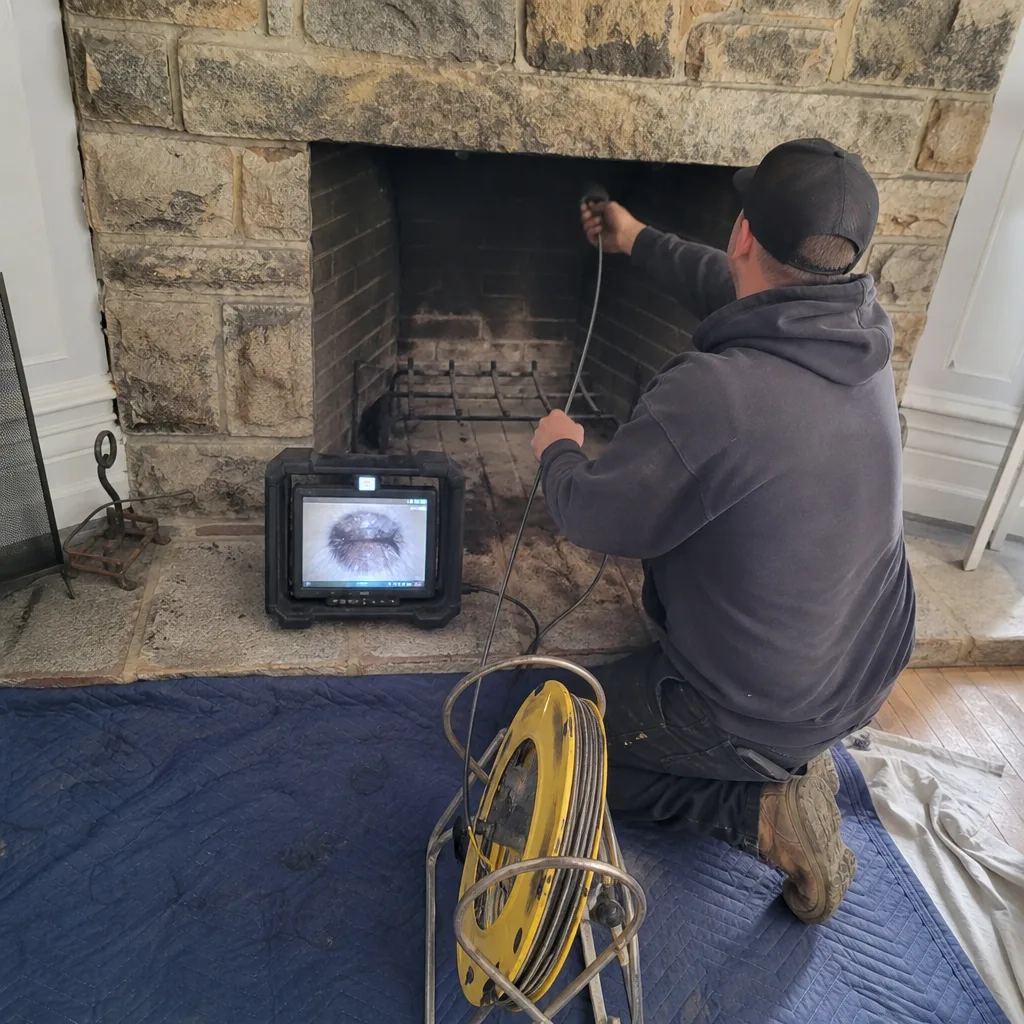
Wilmington’s chimney maintenance calendar is shaped by Atlantic humidity, mature tree canopy, and storm patterns that national advice ignores. Schedule your professional sweep and Level 2 camera inspection in August, not October. Maintain gas flues on a 2-3 year inspection cycle, not “never.” Check your cap after every named storm, manage tree debris quarterly, and burn only properly seasoned wood. The cost of scheduled prevention is always lower than the cost of emergency repair, and the documentation from each visit builds a record that protects your home value and your family’s safety.
Written by Corrine Halstead, Owner at Level Two Chimney Wilmington, serving Wilmington since 2009.