
Last updated September 22, 2026
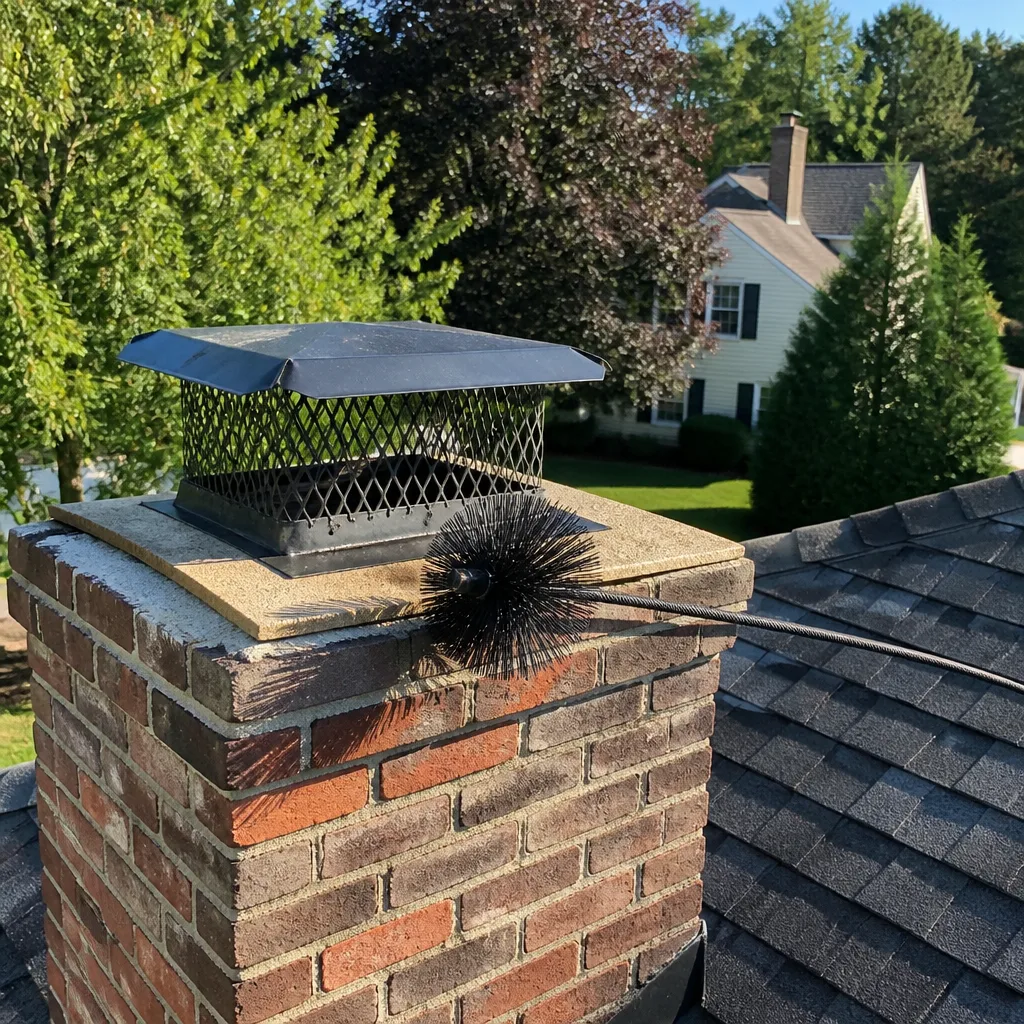
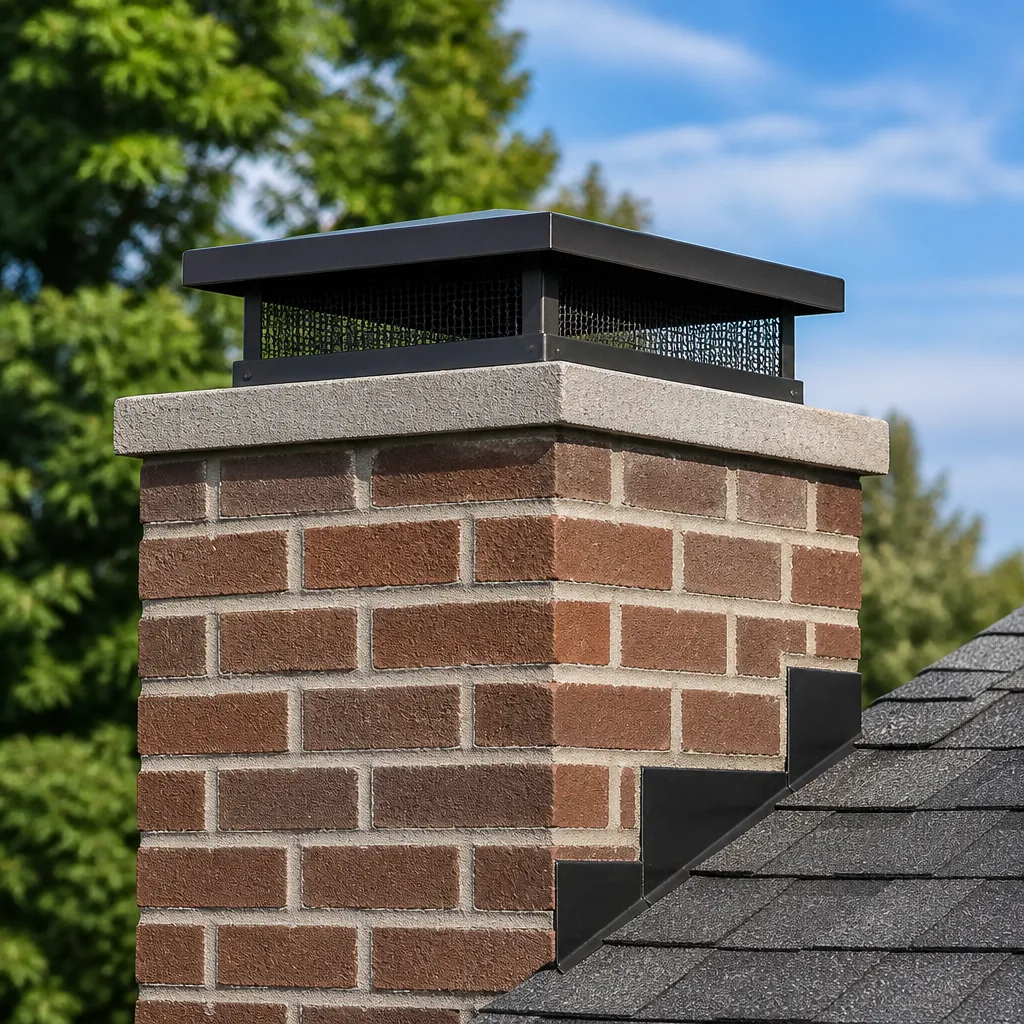
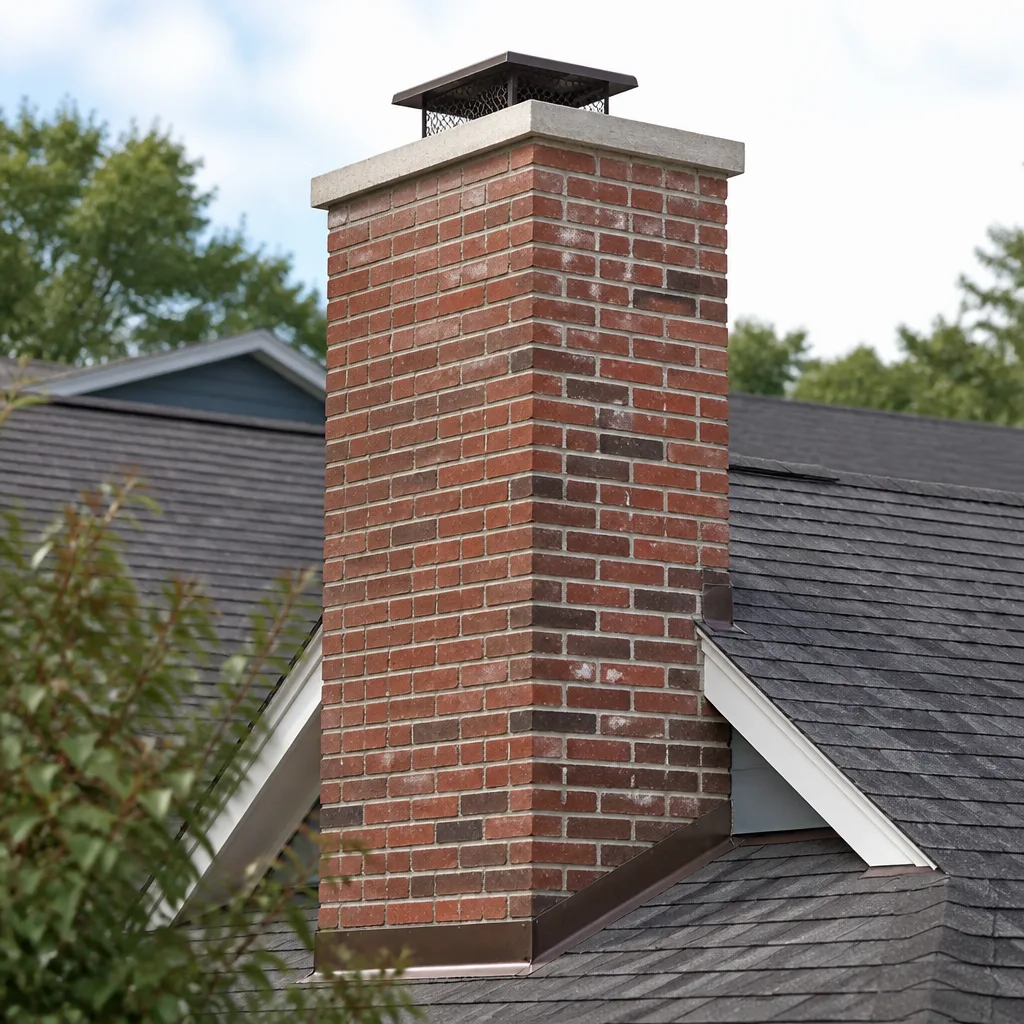
Level 1 sweep and inspection to the NFPA 211 annual standard - flue, crown, cap, and flashing checked and photographed
Chimney sweep logs do not sweep chimneys. They loosen some creosote - which then falls where a brush and vacuum still have to collect it.
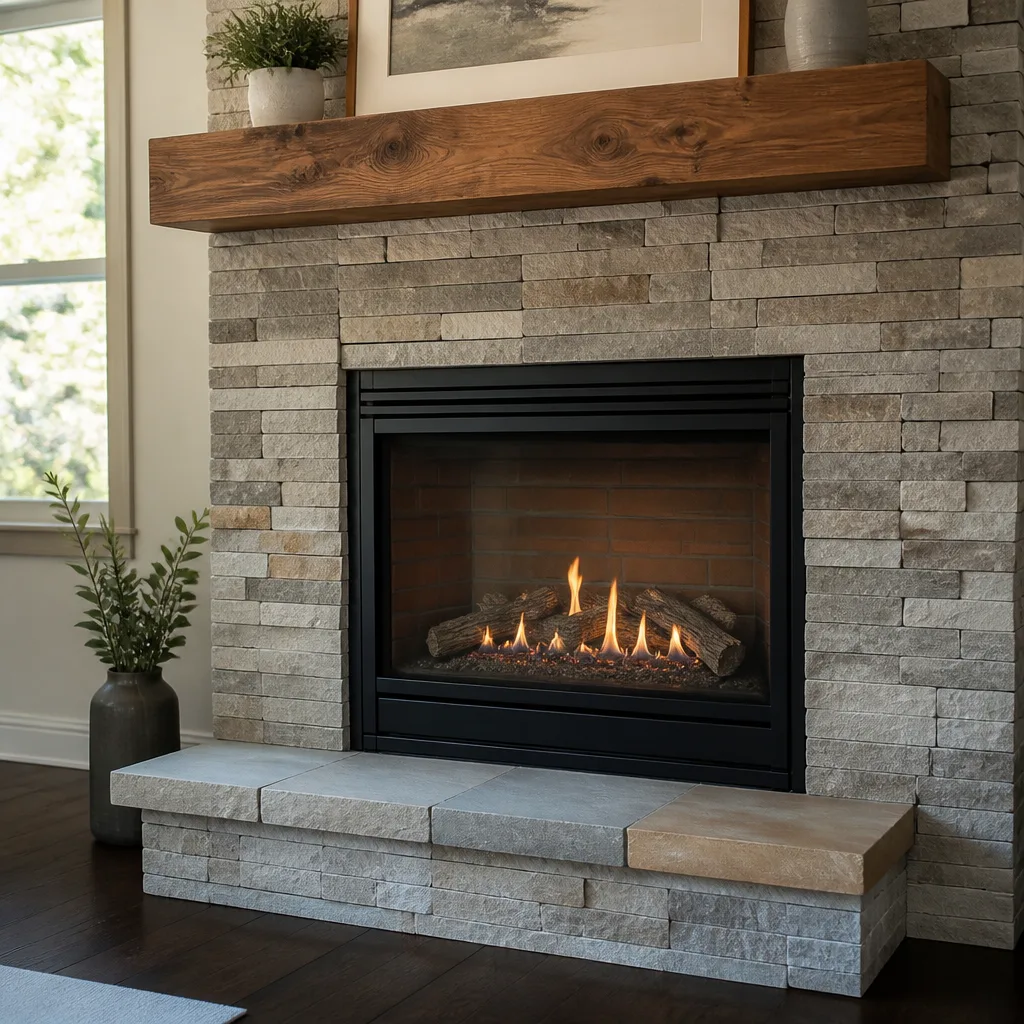
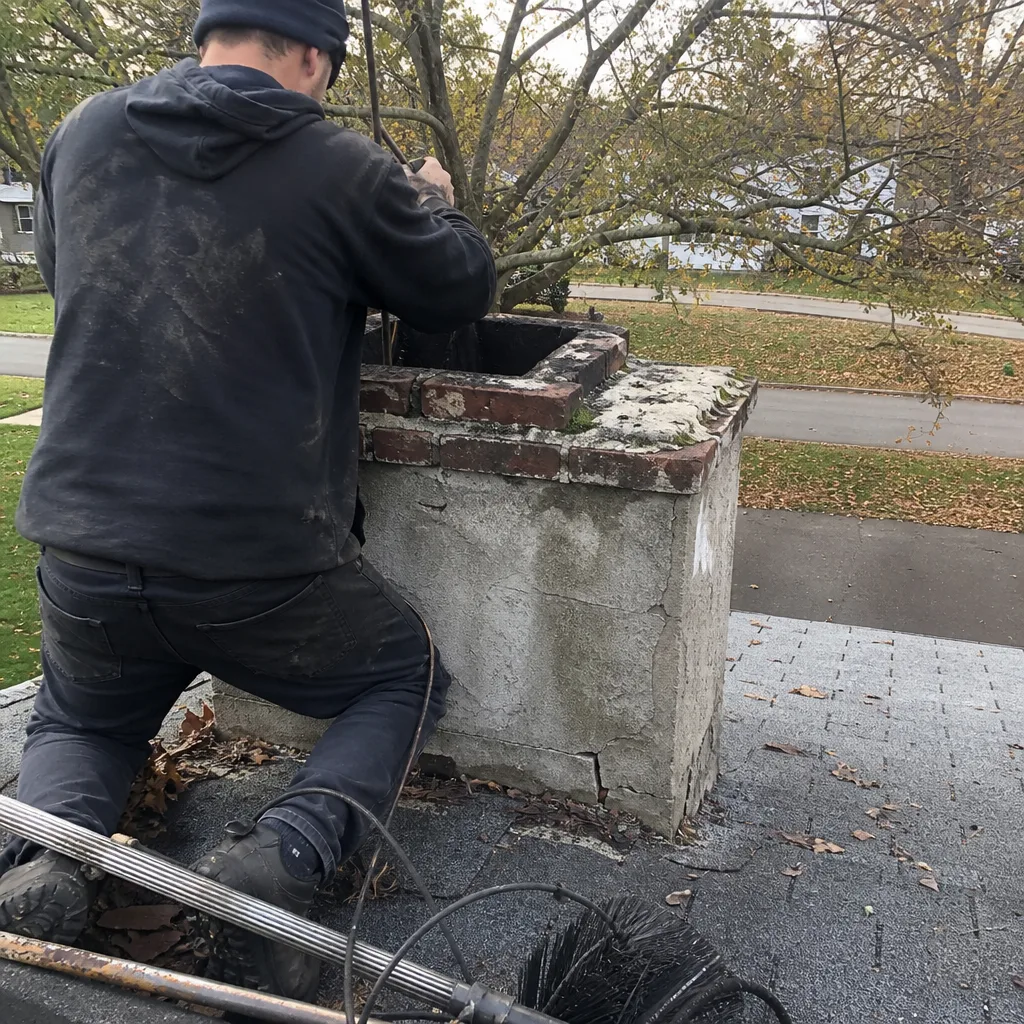 Before
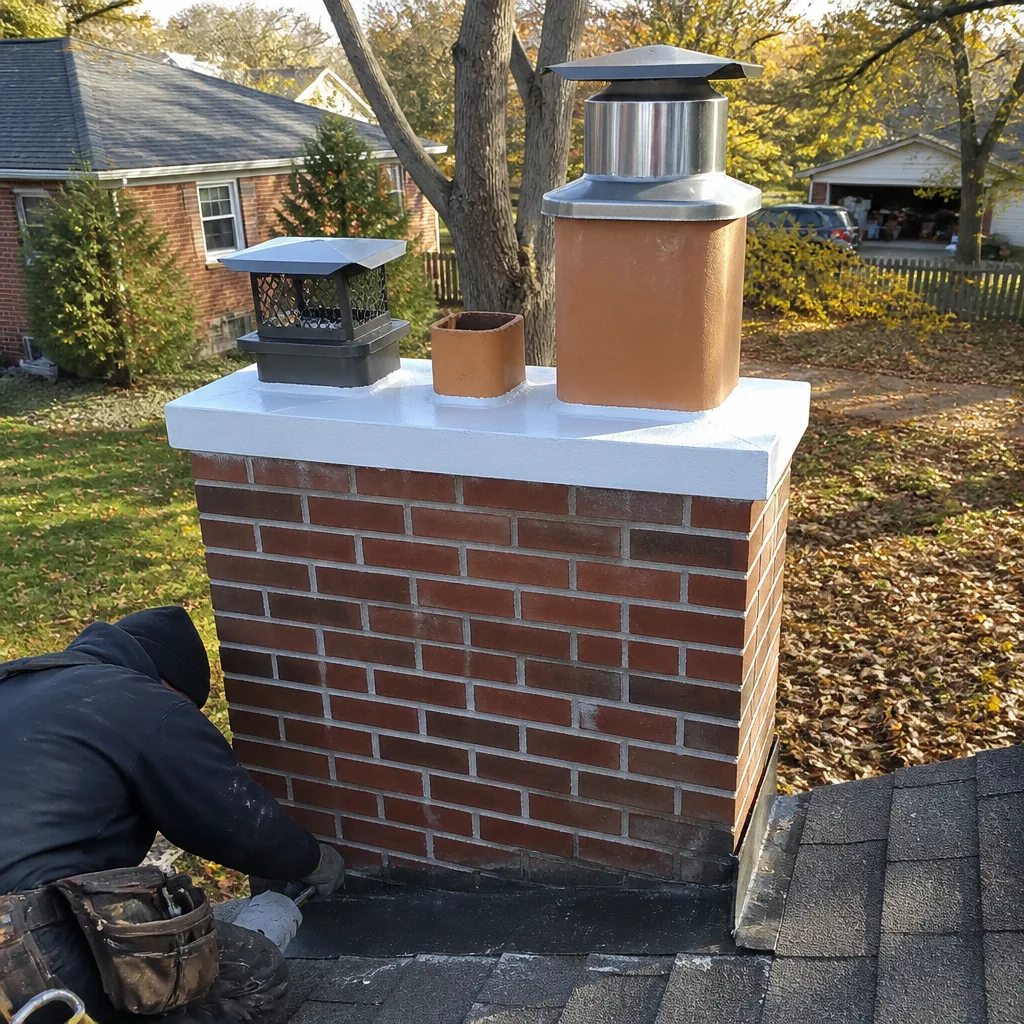 After
After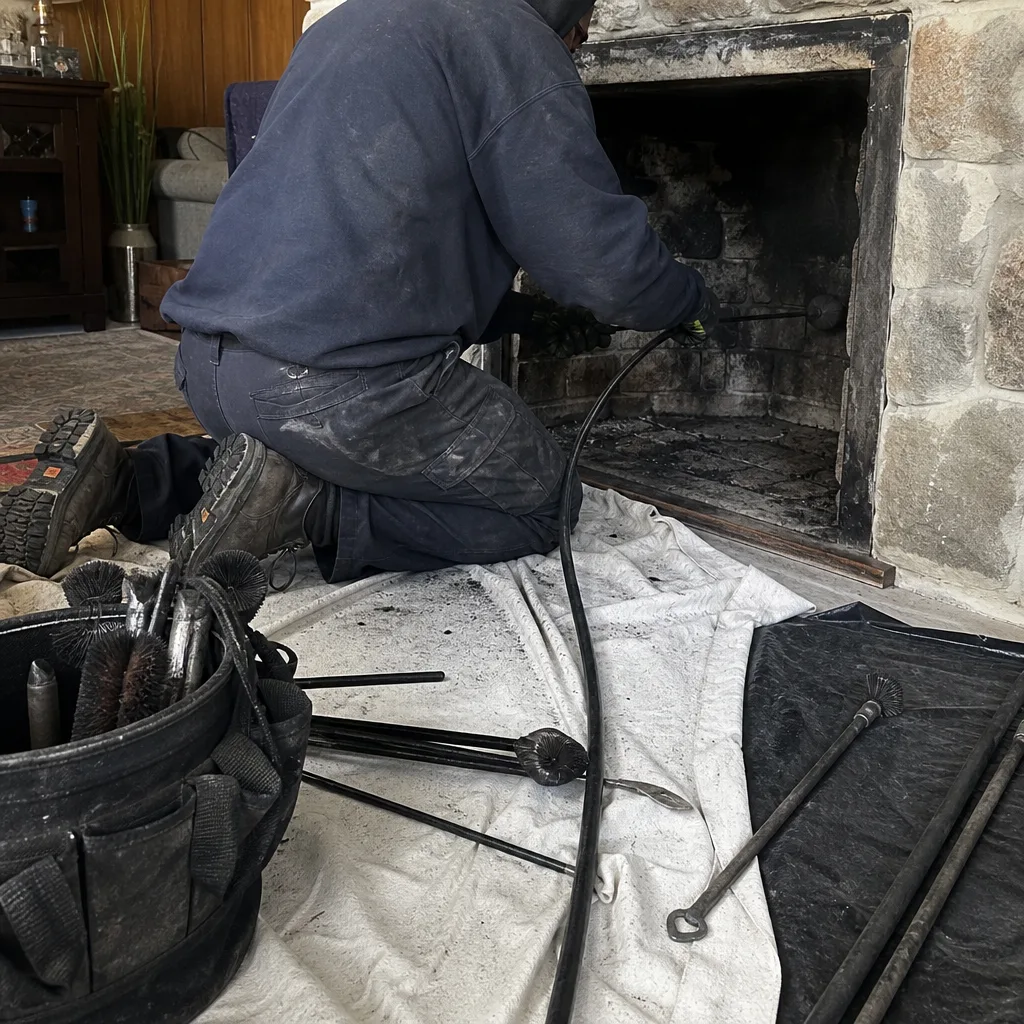 Before
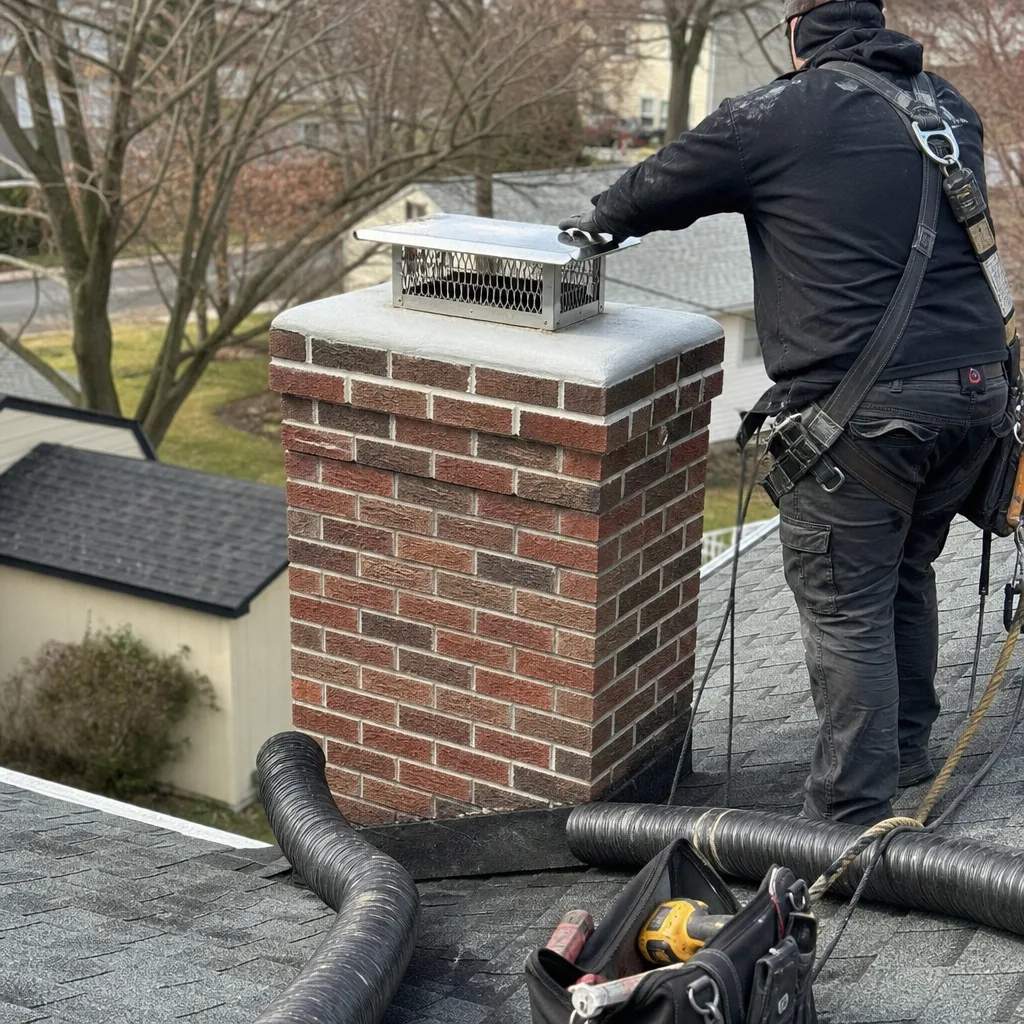 After
After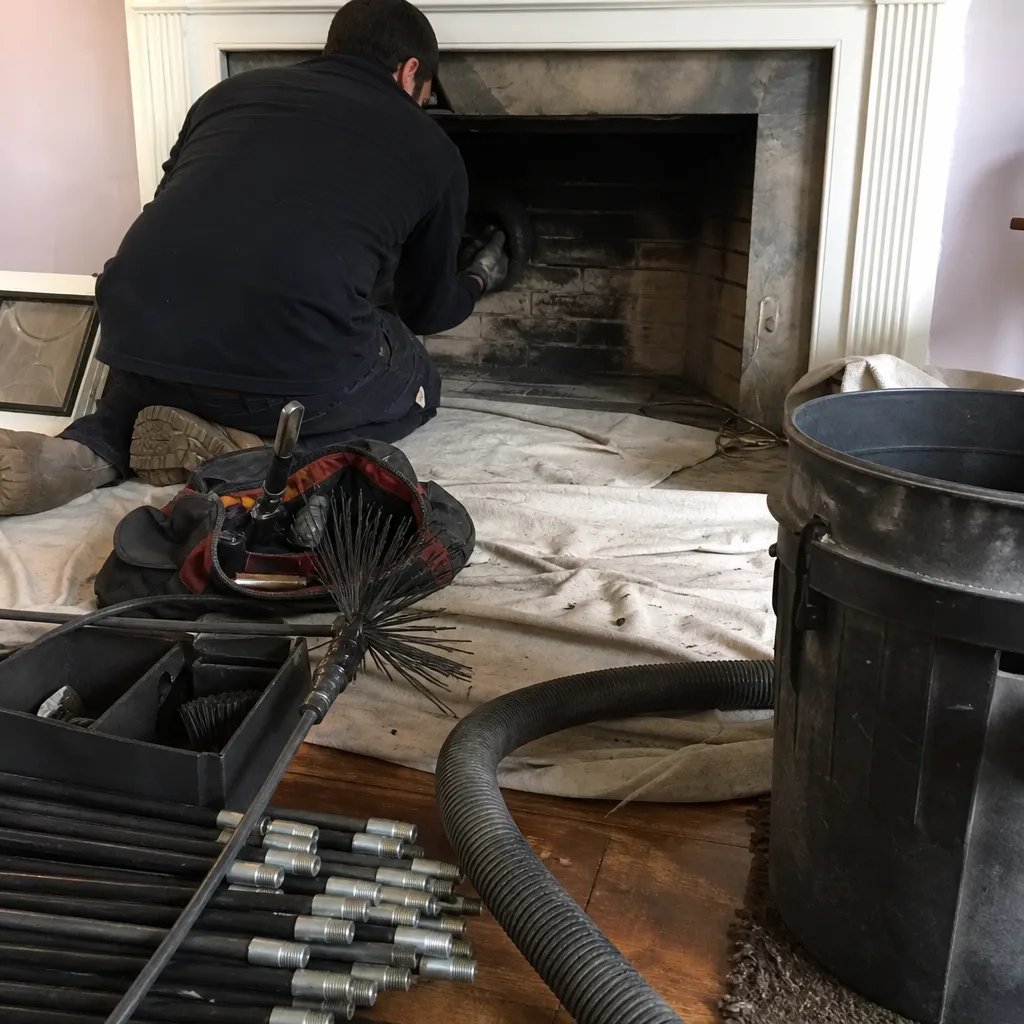 Before
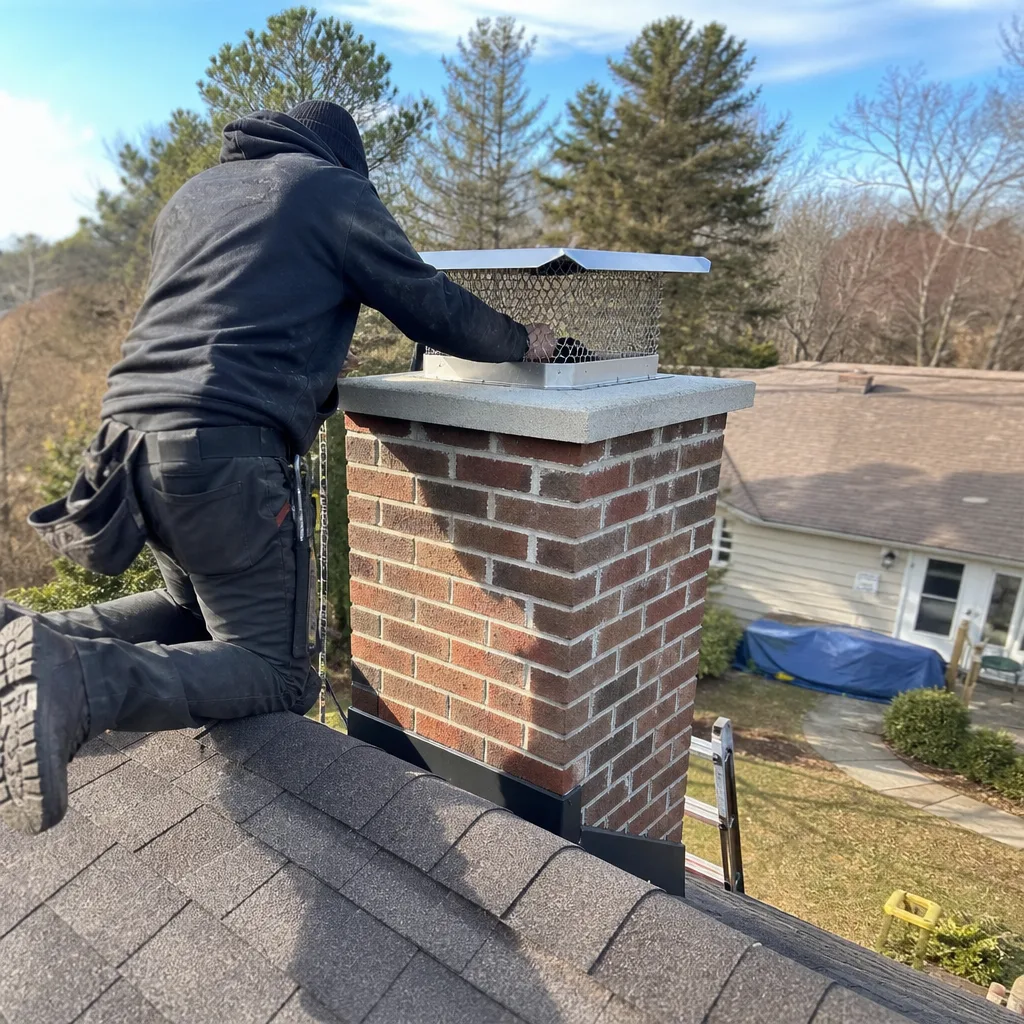 After
AfterChimney Cleaning Permits, Codes & Inspections in DE: What You Need to Know
Delaware does not require a permit to clean a chimney. It does require one to reline it, repair the firebox, or alter the flue. The contractor who skips that permit isn’t saving you paperwork - they’re leaving you personally liable if the work fails. In Wilmington, we’ve pulled thousands of permits since 2009, and we’ve seen the same pattern repeat: a homeowner books a routine sweep, the technician finds a cracked flue liner or deteriorated smoke chamber, and the repair quote arrives without any mention of a building permit. That omission can void your homeowner’s policy, trigger a failed pre-sale inspection, or force you to tear out finished work at your own expense. This guide maps exactly where the permit line sits in Delaware, what code sections apply, and what your inspection record must contain to satisfy both code enforcement and your insurer. For the complete guide to chimney cleaning in Wilmington, see our dedicated resource.
Quick Answer
Chimney cleaning itself requires no permit in Delaware. Any repair that modifies the structure, relines the flue, or alters the appliance connection does require a New Castle County or City of Wilmington building permit, with inspections tied to NFPA 211 and the International Residential Code. Your service record must include a dated photo or video scan of the flue interior, a written scope of work, and permit numbers for any repairs, or your insurer may deny a fire-related claim.
Table of Contents
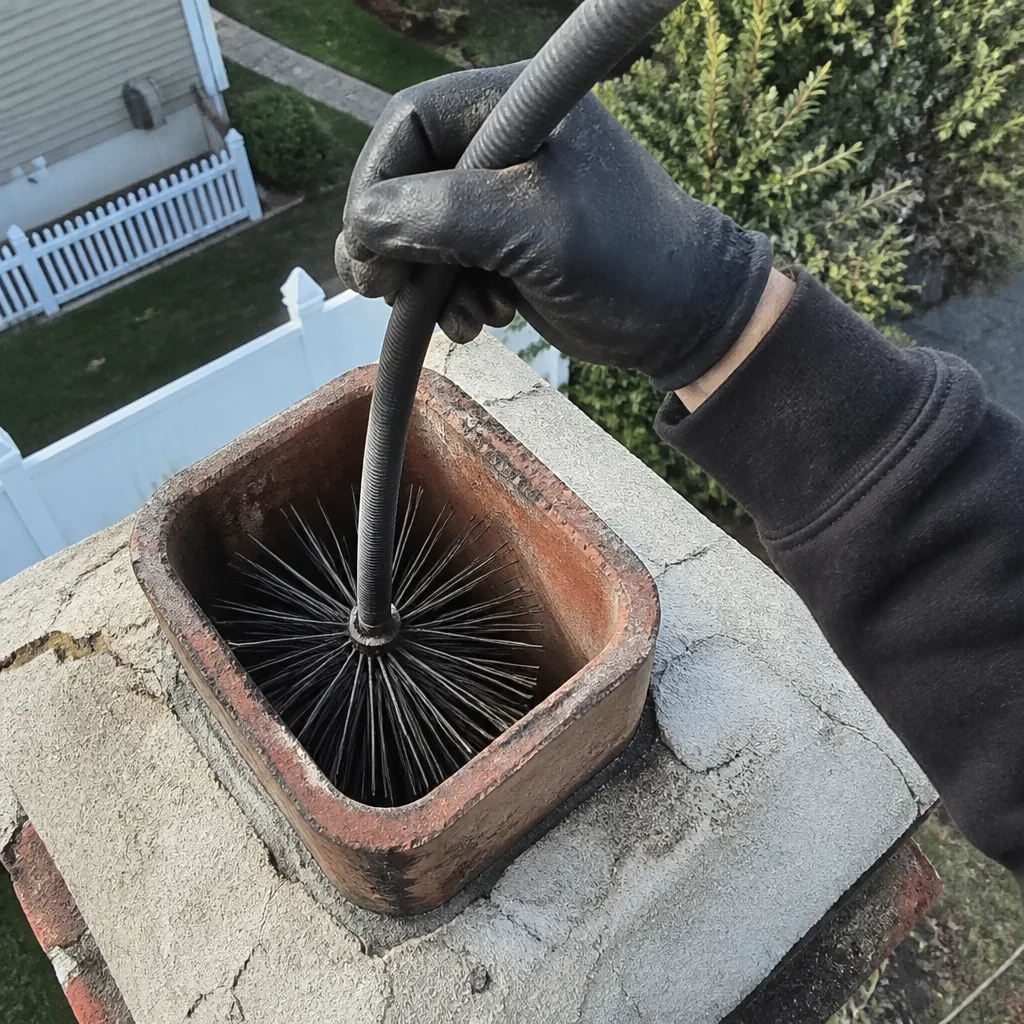
- Which Chimney Work Needs a Permit in Delaware?
- How NFPA 211 Functions as Delaware’s Adopted Standard
- Level 2 Inspection: Code Meaning vs. Marketing Meaning
- What Delaware Insurers Require in Your Chimney Service Record
- The Inspection Record a Permit-Required Repair Must Generate
- How to Request Your Chimney’s Permit History Through Wilmington’s Portal
- What to Do If Prior Unpermitted Work Shows Up on a Pre-Sale Inspection
- What Compliance Costs vs. What Non-Compliance Costs
 Before
 After
AfterWhich Chimney Work Needs a Permit in Delaware?
Permit requirements in Delaware split cleanly along one line: maintenance versus modification. Understanding this distinction before you hire a contractor protects you from liability that transfers to you, not the company, when work is done without proper authorization.
No Permit Required: Cleaning and Basic Maintenance
The following activities are classified as maintenance and do not trigger permit requirements in New Castle County or the City of Wilmington:
- Chimney sweeping and creosote removal
- Visual inspection from the firebox and roof
- Installation of a chimney cap (non-structural, same-size replacement)
- Damper adjustment or replacement of a factory-built damper
- Fireplace door or screen installation
These are treated like changing your HVAC filter or cleaning your dryer vent. The work does not change the appliance’s listing, the flue’s dimensions, or the structure’s load path.
Permit Required: Structural and System Modifications
Any work that changes the chimney’s structure, capacity, or appliance connection requires a building permit. In Wilmington’s jurisdiction, this includes:
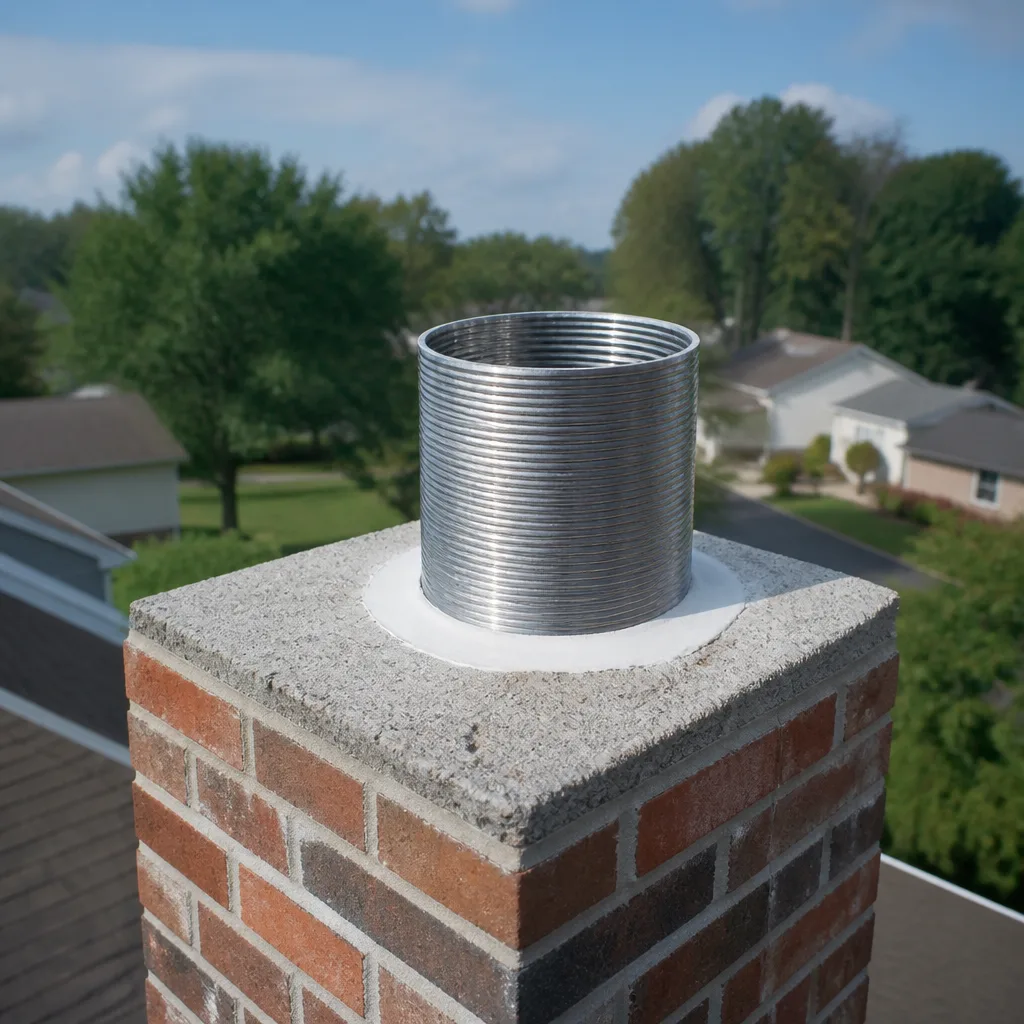
- Flue liner replacement or relining (stainless steel, cast-in-place, or Thermocrete)
- Smoke chamber parging or modification
- Firebox rebuild or refractory panel replacement
- Crown reconstruction or structural repair
- Chimney height alteration
- Installation of a new insert or change of fuel type (wood to gas, or vice versa)
- Thimble or connector pipe modification
The specific code reference is the International Residential Code (IRC), Chapter 10, as adopted by New Castle County with local amendments. The City of Wilmington maintains its own building department and references the same IRC chapter with additional fire prevention overlays tied to the Wilmington Fire Prevention Code.
We’ve filed permits at the New Castle County Department of Land Use on Ogletown Road and at Wilmington’s Department of Licenses and Inspections on Walnut Street. The process differs slightly: county permits for unincorporated areas, city permits for addresses inside Wilmington’s municipal boundary. A contractor who works in both should know which jurisdiction applies to your address without looking it up. If they don’t, that’s a signal.
The Contractor’s Responsibility vs. Yours
Delaware law places the permit obligation on the licensed contractor performing the work, not the homeowner. However, the homeowner bears the consequences of unpermitted work. If a permit-required repair is done without one:
- The work does not legally exist for insurance purposes.
- You cannot transfer a certificate of occupancy or compliance at sale.
- You may be required to expose the work for inspection at your cost.
- The contractor’s liability insurance may deny claims related to unpermitted work.
In our experience across Wilmington neighborhoods from Trolley Square to Brandywine Hills, warning signs like contractors quoting significantly below market rate often indicate permit skipping. The permit fee itself is typically $75-$200 for residential chimney work. A quote that is $500 lower than competitors may simply be a quote that externalizes permit costs onto you, the homeowner, in the form of uninsurable risk.
How NFPA 211 Functions as Delaware’s Adopted Standard
NFPA 211, Standard for Chimneys, Fireplaces, Vents, and Solid Fuel-Burning Appliances, is not merely a trade guideline in Delaware. It is incorporated by reference into the state’s adopted building codes and functions as the enforceable standard for chimney construction, maintenance, and inspection.
The National Fire Protection Association publishes NFPA 211, and Delaware’s Division of Public Health, Office of State Fire Marshal, references it explicitly in fire safety guidance. More critically, the IRC Chapter 10 defers to NFPA 211 for chimney and venting system requirements that exceed the IRC’s own prescriptive language. This means NFPA 211 provisions are legally binding in Delaware permit and inspection processes.
Key NFPA 211 Provisions Delaware Homeowners Should Know
- Section 14.2: Chimneys, fireplaces, and vents shall be inspected at least once a year, and cleaning, maintenance, and repairs shall be done as necessary. This is the annual sweep requirement, not a permit trigger.
- Section 14.3: Three levels of inspection are defined. Level 1 is visual. Level 2 requires internal evaluation of flue surfaces and accessible portions of the chimney. Level 3 requires demolition of building materials to access concealed areas.
- Section 6.1.2: Chimney liners must be sized correctly for the appliance. An improperly sized liner is a code violation, not merely a performance issue.
- Section 7.2.4: Factory-built chimneys and listed chimney liners (such as DuraFlex stainless steel systems or Olympia Chimney components) must be installed according to their listing and manufacturer’s instructions. Deviation voids the listing and the permit.
Wilmington’s older housing stock, particularly the stone and brick chimneys in neighborhoods like Trinity Vicinity and the early 20th-century homes along Delaware Avenue, often predate any liner installation. These unlined chimneys are legal only if they were built to the codes in effect at construction and have not been modified. The moment a new appliance is connected or a liner is installed, NFPA 211’s current sizing and clearance requirements apply in full.
We encounter this regularly: a homeowner in Cool Spring or Hilltop buys a home with a “working fireplace,” has it swept, and the Level 2 inspection reveals an unlined flue or a clay liner with vertical cracking. The repair requires a permit. The permit requires plans showing liner sizing per NFPA 211 Table 6.1(a) or manufacturer’s engineering data. The inspection requires verification that clearances to combustibles meet Section 6.3. The chain is only as strong as its first link, and that first link is the contractor’s willingness to pull the permit.
Level 2 Inspection: Code Meaning vs. Marketing Meaning
“Level 2 inspection” has become marketing shorthand in the chimney industry. Every company with a camera claims to do one. The distinction that matters for permits, codes, and insurance is whether the inspection meets NFPA 211’s procedural requirements or merely borrows the name.
The Code Definition
NFPA 211 Section 14.3.2 defines Level 2 inspection as including:
- All elements of a Level 1 inspection (accessible portions of the chimney exterior, interior, and appliance connection)
- Examination of the internal surfaces of the flue liner by video scanning or other means
- Inspection of accessible portions of the chimney exterior and attic
- Evaluation of clearances from the chimney to combustible materials in accessible locations
The standard specifies that Level 2 is required when property is changing hands, after a chimney fire or operational malfunction, or before relining or replacement of an appliance of a different type or efficiency. In Delaware’s real estate market, this means most pre-sale inspections and all pre-installation evaluations for inserts or liners.
The Marketing Definition
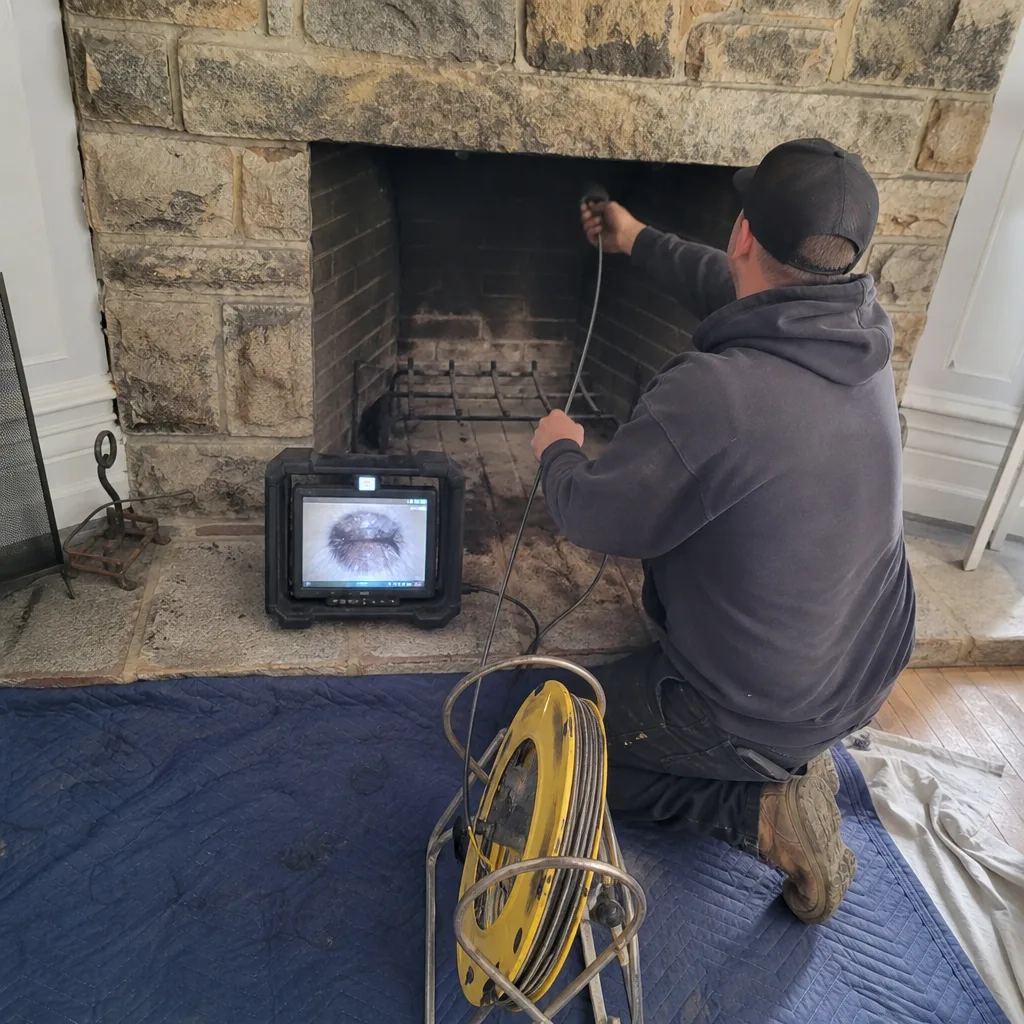
Some competitors advertise “Level 2 inspection” but deliver a flashlight look and a few photos from the firebox. This misses the standard’s core requirement: a continuous video or photographic record of the entire flue interior, from smoke chamber to crown, with the technician’s narration or written log of findings.
At Level Two Chimney Wilmington home, we made camera-scan documentation the default in 2009, before regulators or insurers asked for it. That practice became Clause 4 of the Haven Standard. Every Level 2 inspection we perform generates a dated video file, timestamped still images of any defects, and a written condition report with measurements. The homeowner receives a copy; the original is archived. If a permit is required for subsequent repair, this documentation becomes part of the permit submission.
Why the Distinction Matters for Permits
Wilmington’s Department of Licenses and Inspections and New Castle County’s building officials have increasingly requested pre-repair documentation as part of permit applications for chimney work. A true Level 2 record satisfies this. A marketing-level “inspection” does not, and the permit may be delayed or denied until proper documentation is produced.
We’ve had homeowners in Wilmington’s Westmoreland neighborhood bring us documentation from previous sweeps that consisted of a handwritten checklist and a business card. That is not a Level 2 inspection under NFPA 211. It will not support a permit application, and it will not satisfy an insurer after a loss.
What Delaware Insurers Require in Your Chimney Service Record
Here is the documentation gap most homeowners don’t know exists: your insurer can deny a fire-related claim if your chimney service records are insufficient, even if the fire’s origin was unrelated to chimney maintenance. Browse our more guides & resources for additional homeowner protection strategies.
The Standard Policy Language
Delaware homeowner’s policies typically include a maintenance and care clause requiring the insured to maintain the property in good repair. For solid-fuel heating appliances and fireplaces, this translates to documented annual inspection and cleaning. The specific documentation standard varies by carrier, but the following pattern has emerged from claim disputes we’ve reviewed:
- Date-stamped service record: Invoice or receipt showing service date, company name, and scope of work.
- Internal condition documentation: Photo or video evidence of flue condition at time of service, not merely a checkbox saying “inspected.”
- Written findings and recommendations: Documentation of any defects found and whether they were repaired.
- Permit records for repairs: If work was done, permit numbers and inspection sign-offs from the municipality.
The Denial Scenario
A homeowner in Wilmington’s Highlands neighborhood has a chimney fire in January. The fire department report notes creosote buildup as a contributing factor. The homeowner submits a claim. The insurer requests chimney service records for the past three years. The homeowner produces invoices from annual sweeps. The invoices say “chimney swept and inspected” with no internal documentation. The insurer’s adjuster notes that the records do not demonstrate the flue was actually evaluated for creosote accumulation or structural integrity. The claim is denied or reduced based on failure to maintain.
This is not hypothetical. We’ve consulted on three such cases in New Castle County since 2019. In each, the homeowner had paid for annual service. In each, the service provider had delivered a sweep without documentation that would survive scrutiny.
What Level Two Chimney Wilmington Provides
Every service visit under the Haven Standard generates:
- A written price and scope before work begins (Clause 1)
- A photo or video record of the flue interior, archived and provided to the homeowner (Clause 4)
- A written condition report with specific findings (liner integrity, creosote class, clearance measurements)
- Permit numbers for any repair work, with inspection sign-offs
- A written warranty for any repair work performed
This is the record that satisfies both code enforcement and insurer documentation standards. We know because we’ve used it in both contexts.
The Inspection Record a Permit-Required Repair Must Generate
When a permit is pulled for chimney repair in Wilmington or New Castle County, the inspection process is not a single visit. It is a sequence with specific documentation requirements at each stage.
Permit Application Stage
The contractor submits:
- Completed permit application with homeowner signature
- Scope of work description
- Manufacturer’s specifications for listed components (DuraFlex liner sizing chart, HeatShield application data, Gelco cap specifications, etc.)
- Pre-repair condition documentation (the Level 2 inspection record)
Rough Inspection Stage
For liner installations, a rough inspection occurs before the liner is fully sealed or enclosed. The inspector verifies:
- Liner diameter matches appliance input and flue height per NFPA 211
- Liner is continuous from appliance connection to termination
- Clearances to combustibles are maintained per manufacturer’s listing
- Support and connection hardware is properly installed
The inspector signs off or issues corrections. This sign-off is recorded in the municipal permit tracking system.
Final Inspection Stage
After completion, the final inspection verifies:
- All rough inspection corrections are addressed
- Termination height and clearance meet code
- Sealants and finishes are applied per specification
- Manufacturer’s labels and instructions are left with the homeowner
The final sign-off generates a certificate of completion or compliance. This document is what you need for insurance, sale, or refinance.
How to Verify Your Record Was Filed
Do not accept a contractor’s word that inspections were completed. In Wilmington, you can verify final sign-off through the city’s permit portal using your address or permit number. In New Castle County, the Department of Land Use provides permit status by phone or online. The certificate of completion should also be in your possession, not merely the contractor’s.
We’ve encountered situations in Wilmington’s Browntown and Hedgeville neighborhoods where previous owners had “repairs” done with no permit record. The work looked professional. The materials were quality. But without the permit and inspection trail, the current owner faced full reinspection and potential rework at sale. The $200 permit the previous contractor skipped became a $3,000 pre-closing expense.
How to Request Your Chimney’s Permit History Through Wilmington’s Portal
Wilmington maintains online permit records through its eTRAKiT system, accessible via the Department of Licenses and Inspections website. Here’s how to use it:
- Navigate to the City of Wilmington eTRAKiT portal and select “Search” without logging in.
- Enter your property address exactly as it appears on tax records. Wilmington’s system is sensitive to formatting; “123 N. Market St.” may not match “123 North Market Street.”
- Select “Building” permit type to filter for construction and mechanical permits.
- Review results for permit descriptions containing “chimney,” “fireplace,” “liner,” “HVAC,” or “mechanical.”
- Click individual permit numbers to view status, contractor name, scope description, and inspection history.
For properties in unincorporated New Castle County, the process is similar through the county’s online permit center, though older records (pre-2010) may require a phone request to the Ogletown Road office.
What the Records Show
A complete permit history reveals:
- Whether prior chimney work was permitted and inspected
- The contractor who performed it (helpful for warranty claims or dispute resolution)
- Whether final inspection was achieved or the permit expired incomplete
- Any open permits that may block new work or sale
In Wilmington’s older neighborhoods, we frequently find no permit history for chimney work done decades ago. This is common and not necessarily problematic for original construction. But any modification, liner installation, or repair since adoption of the current IRC should appear. Its absence is a red flag.
What to Do If Prior Unpermitted Work Shows Up on a Pre-Sale Inspection
This scenario is increasingly common in Wilmington’s competitive real estate market, where buyers use thorough inspectors and sellers face pressure to close quickly.
Step 1: Verify the Work Actually Requires a Permit
Not all unpermitted work is permit-required. A cap replacement, sweep, or damper repair from 2015 may have been correctly done without a permit. The issue is structural modifications: liners, firebox rebuilds, crown work, or appliance changes.
Step 2: Assess the Work Quality Independently
Hire a certified chimney professional to perform a current Level 2 inspection. This generates documentation of current condition, separate from the pre-sale inspector’s findings. The pre-sale inspector identified a problem; the chimney professional diagnoses its nature and severity.
Step 3: Determine Retroactive Compliance Path
Wilmington and New Castle County both allow retroactive permitting in some cases. This typically requires:
- Exposing the work for inspection (removing surrounding finish materials if necessary)
- Demonstrating compliance with current code or obtaining a variance
- Paying permit fees and possibly penalties
- Passing rough and final inspections
The cost varies widely. Exposed liner work in an unfinished basement is straightforward. A liner hidden behind a finished fireplace surround in a Fireplace Services in Wilmington renovation may require significant demolition. We’ve quoted retroactive compliance work in Wilmington’s Wawaset Park that ranged from $800 to $4,500 depending on access.
Step 4: Negotiate Resolution
Options include seller obtaining retroactive permit before closing, buyer accepting with price reduction and assuming compliance cost, or escrow holdback for post-closing work. Each has tax and liability implications. We recommend consulting a real estate attorney; we do not give legal advice.
Our role is documentation. We provide the Level 2 inspection, the written scope and price for any needed work, and we pull permits and complete inspections if hired. Our Chimney Repair in Wilmington service includes this full compliance path.
What Compliance Costs vs. What Non-Compliance Costs
Permit compliance adds cost to chimney repair. The question is whether that cost exceeds the cost of non-compliance.
Typical Permit and Inspection Fees in Wilmington and New Castle County
| Work Type | Permit Fee Range | Inspection Visits | Typical Timeline |
|---|---|---|---|
| Stainless steel liner installation | $150-$250 | 2 (rough, final) | 1-2 weeks |
| Firebox rebuild (partial) | $100-$200 | 1-2 | 1 week |
| Crown reconstruction | $75-$150 | 1 | 3-5 days |
| Insert installation (new appliance) | $200-$350 | 2-3 | 2-3 weeks |
| Chimney cap (structural modification) | $75-$125 | 1 | 2-3 days |
These fees are trivial compared to the costs of non-compliance we’ve observed:
- Insurance denial after chimney fire: $15,000-$80,000 in uncovered damage, plus potential subrogation claims if fire spread to neighboring property
- Pre-sale forced repair with expedited permitting: 30-50% premium over scheduled work due to rush fees and overtime
- Retroactive permitting with finish demolition: $2,000-$8,000 beyond original repair cost
- Code violation citation: Municipal fines of $100-$500 per day until compliance, in jurisdictions that actively enforce
The contractor who quotes without permit costs is not saving you money. They are transferring risk. In our experience, the homeowners who call us after a problem are not the ones who paid for permitted work. They are the ones who discovered, too late, that their “savings” purchased uninsurable liability.
Our pricing includes permit fees where required. We quote them in writing before work starts, under Haven Standard Clause 1. No surprises, no hidden costs, no transferred risk.
Common Mistakes to Avoid
- Assuming the annual sweep covers code compliance. A sweep removes creosote. It does not generate the inspection record needed for permit applications or insurance claims. These are separate services with separate documentation standards.
- Accepting verbal assurance that a permit “isn’t needed for this.” If the work modifies structure, liner, or appliance connection, a permit is needed. Verify independently through the municipality if your contractor is evasive.
- Not requesting the final inspection certificate. Contractors sometimes complete work but never call for final inspection, leaving the permit open and incomplete. This is functionally equivalent to no permit.
- Discarding old service records. Insurers may request three to five years of chimney service history after a fire. Store digital copies of invoices, photos, and reports in cloud backup.
- Hiring based on lowest quote without permit verification. In Wilmington’s market, we’ve seen quotes 20-30% below ours that omitted permit fees. The homeowner paid the difference later, with interest, in the form of retroactive compliance costs.
- Failing to check permit history before buying a home. Wilmington’s eTRAKiT portal is free and public. A ten-minute search before making an offer can reveal thousands in hidden compliance costs.
- Confusing “inspected” with “documented.” Every sweep says they inspect. Few produce the photo record, written findings, and archived video that NFPA 211 Level 2 requires and insurers increasingly demand.
When to Call a Professional
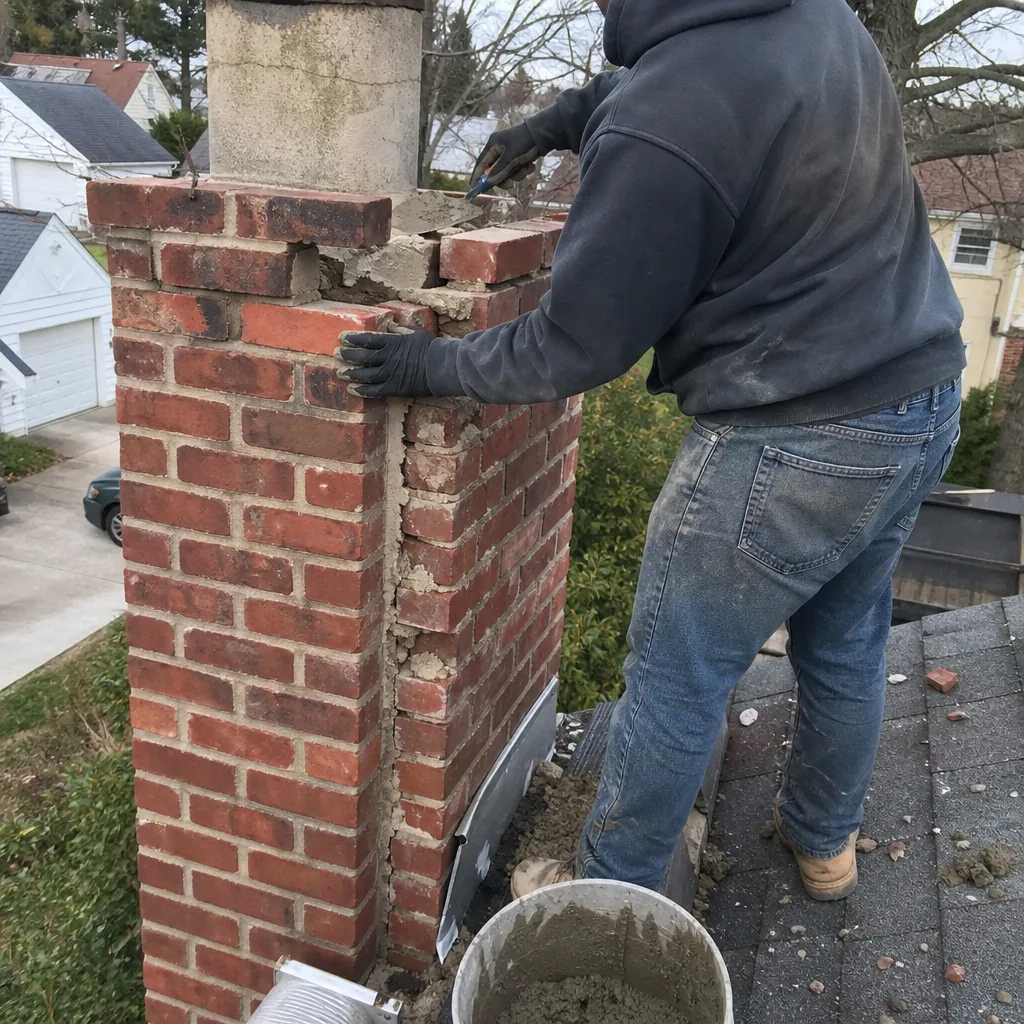
Call a certified chimney professional when: your annual sweep reveals defects requiring repair; you’re buying or selling a home with a fireplace or solid-fuel appliance; you’re installing a new insert or changing fuel types; you’ve had a chimney fire or operational malfunction; or you’re unsure whether prior work was properly permitted and inspected. In any of these scenarios, documentation gaps are costly to close after the fact.
Level Two Chimney Wilmington offers free estimates in Wilmington - call (610) 546-5053. Every estimate includes a written price, written scope, and written warranty before any work begins. We pull all required permits, provide stamped inspection documentation, and archive every photo record under Haven Standard Clause 4. If you’re facing a pre-sale compliance issue or need a second opinion on another contractor’s quote, our Free Second Opinion service applies.
Frequently Asked Questions
No. Chimney sweeping, creosote removal, and basic maintenance do not require a building permit in New Castle County or the City of Wilmington. Any repair that modifies the chimney structure, relines the flue, or alters the appliance connection does require a permit. Call (610) 546-5053 for a free estimate if your sweep reveals needed repairs.
A standard chimney sweep in Wilmington typically runs $200-$350, depending on accessibility, creosote buildup severity, and whether a Level 2 camera inspection is included. Level Two Chimney Wilmington includes a documented photo record with every sweep under Haven Standard Clause 4. Call (610) 546-5053 for an exact quote - estimates are free.
NFPA 211 is the National Fire Protection Association standard for chimneys, fireplaces, and solid-fuel appliances. Delaware has adopted it by reference into state building codes, making its provisions legally enforceable. It defines inspection levels, liner requirements, and clearance standards that govern permit approvals and insurance claim evaluations.
You need a new liner if your existing liner is cracked, deteriorated, improperly sized for your appliance, or absent entirely. The determination requires a Level 2 internal inspection with video documentation, not a visual guess from the firebox. We provide the inspection record and a written price for any needed work before you commit. Call (610) 546-5053 to schedule.
NFPA 211 recommends annual inspection and cleaning as needed. In Wilmington’s climate, with cold, damp winters and frequent freeze-thaw cycles, we see accelerated masonry deterioration and creosote accumulation in heavily used fireplaces. Annual service catches these issues before they require permit-triggering repairs.
Skipped maintenance leads to creosote buildup, which increases chimney fire risk. It also allows minor defects - cracked liners, deteriorated mortar, damaged crowns - to progress until they require structural repair. Structural repair requires permits, inspections, and higher cost than preventive maintenance. The documented annual sweep is your insurance against both fire loss and major repair expense.
Check Wilmington’s eTRAKiT permit portal or New Castle County’s permit records using your property address. Look for permit descriptions containing “chimney,” “fireplace,” “liner,” or “mechanical.” Absence of records for modification work is a red flag requiring professional evaluation. We provide Free Second Opinions on any written estimate, including assessments of compliance status.
Most Delaware homeowner’s policies cover accidental fire damage, but they require documented maintenance. Insufficient service records - invoices without internal inspection documentation - can support denial or reduction of claims. The photo record and written report from a proper Level 2 inspection is the documentation standard insurers increasingly apply.
The Bottom Line
Delaware’s permit framework for chimney work is straightforward once you know the dividing line: cleaning is maintenance, modification is construction. The contractor who blurs that line saves themselves paperwork and leaves you with uninsurable risk. Your protection is documentation - a dated photo record of flue condition, a written scope and price before work starts, and permit numbers with inspection sign-offs for any repair. These are not extras. They are the minimum standard for code compliance, insurance protection, and property transfer. In Wilmington since 2009, we’ve built our practice on providing them on every job, without exception, under the Haven Standard.
Written by Corrine Halstead, Owner at Level Two Chimney Wilmington, serving Wilmington since 2009.