
Last updated September 22, 2026
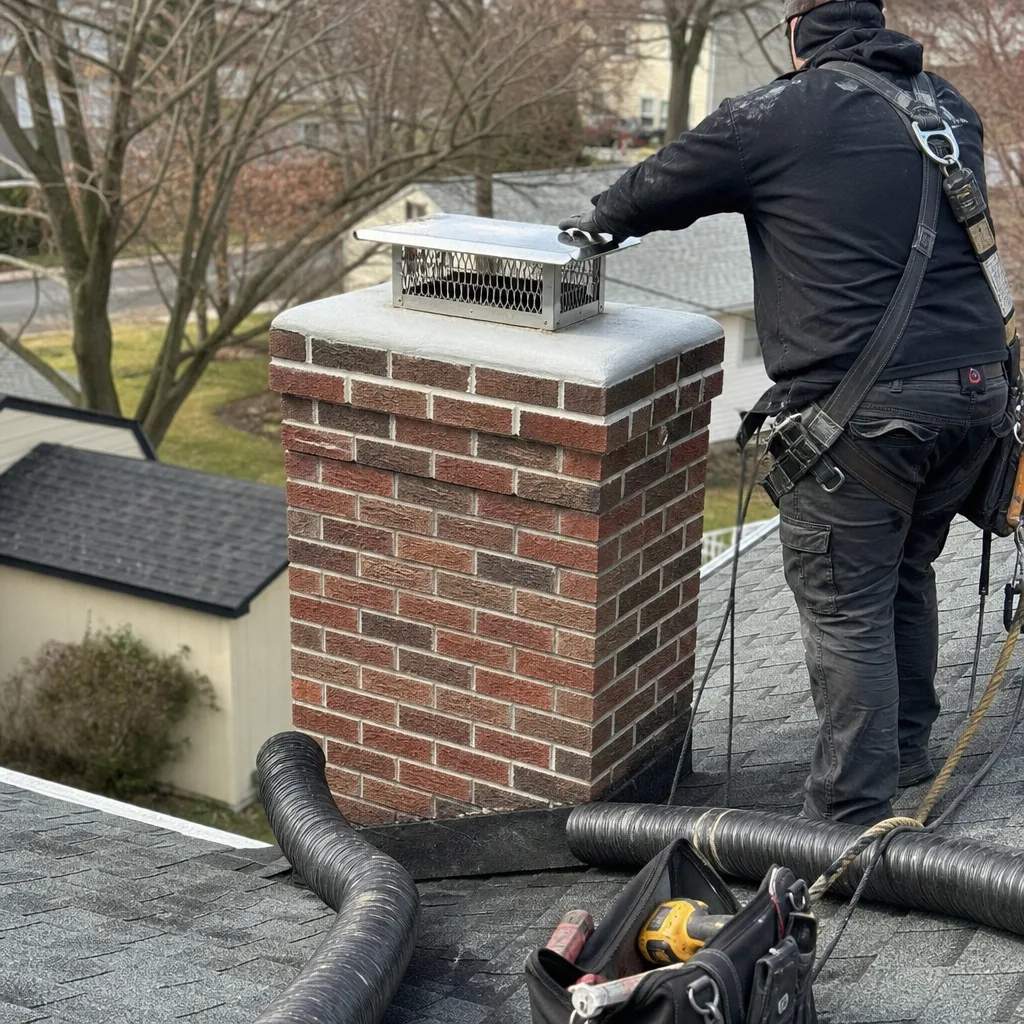
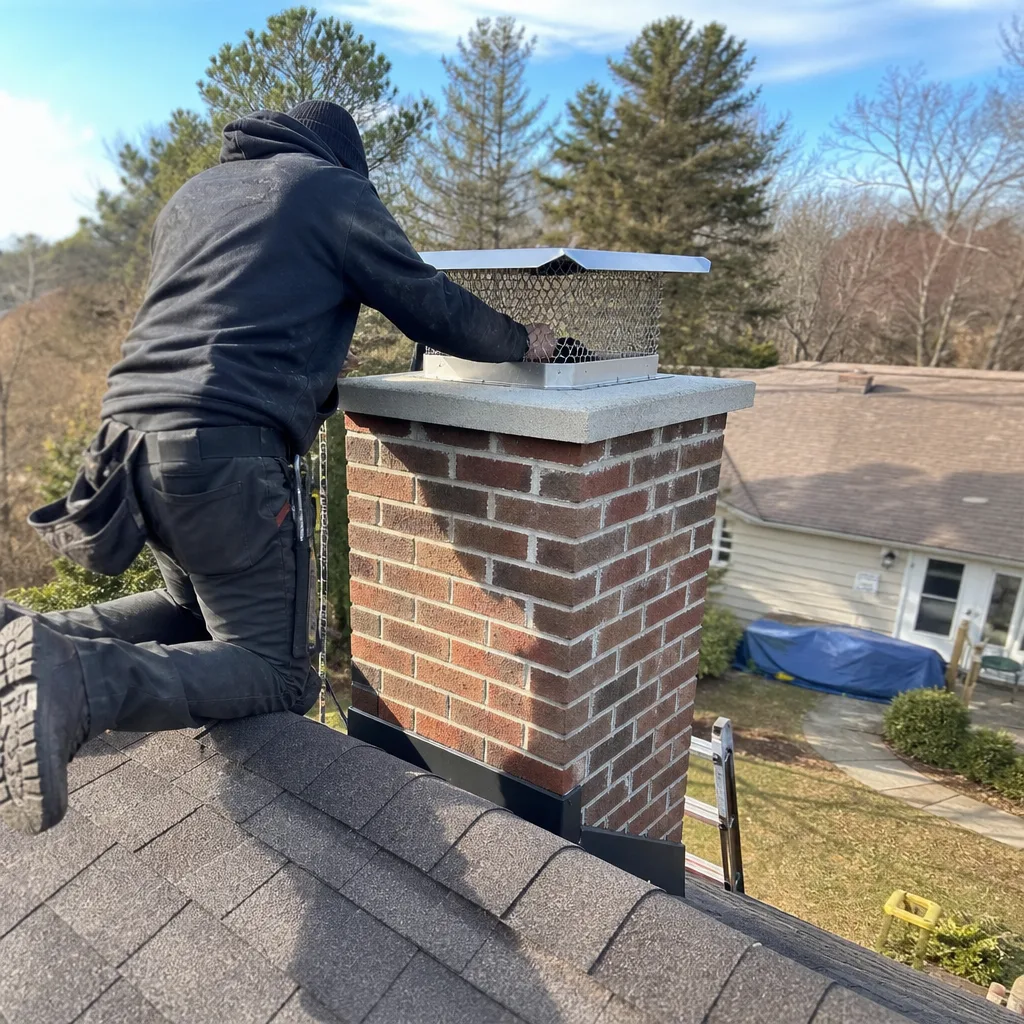
Level 1 sweep and inspection to the NFPA 211 annual standard - flue, crown, cap, and flashing checked and photographed
Chimney sweep logs do not sweep chimneys. They loosen some creosote - which then falls where a brush and vacuum still have to collect it.
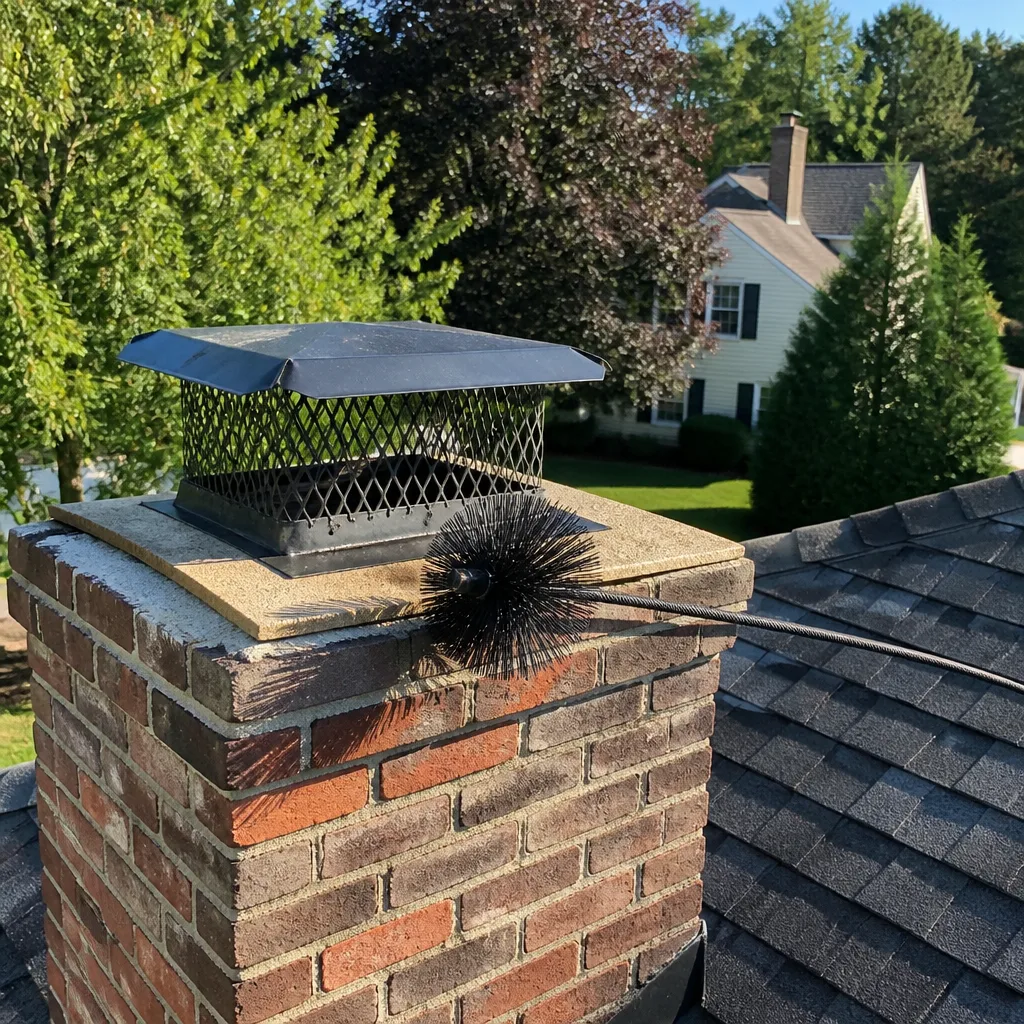
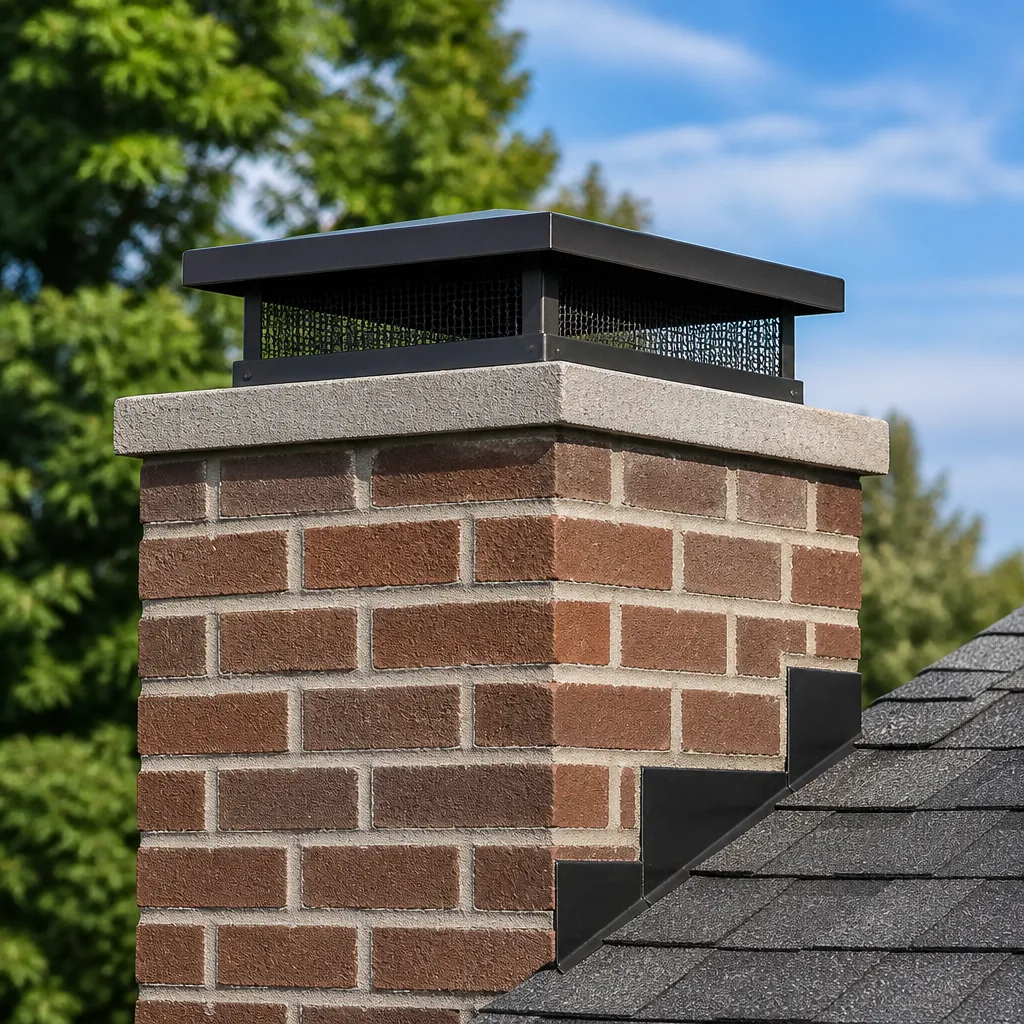
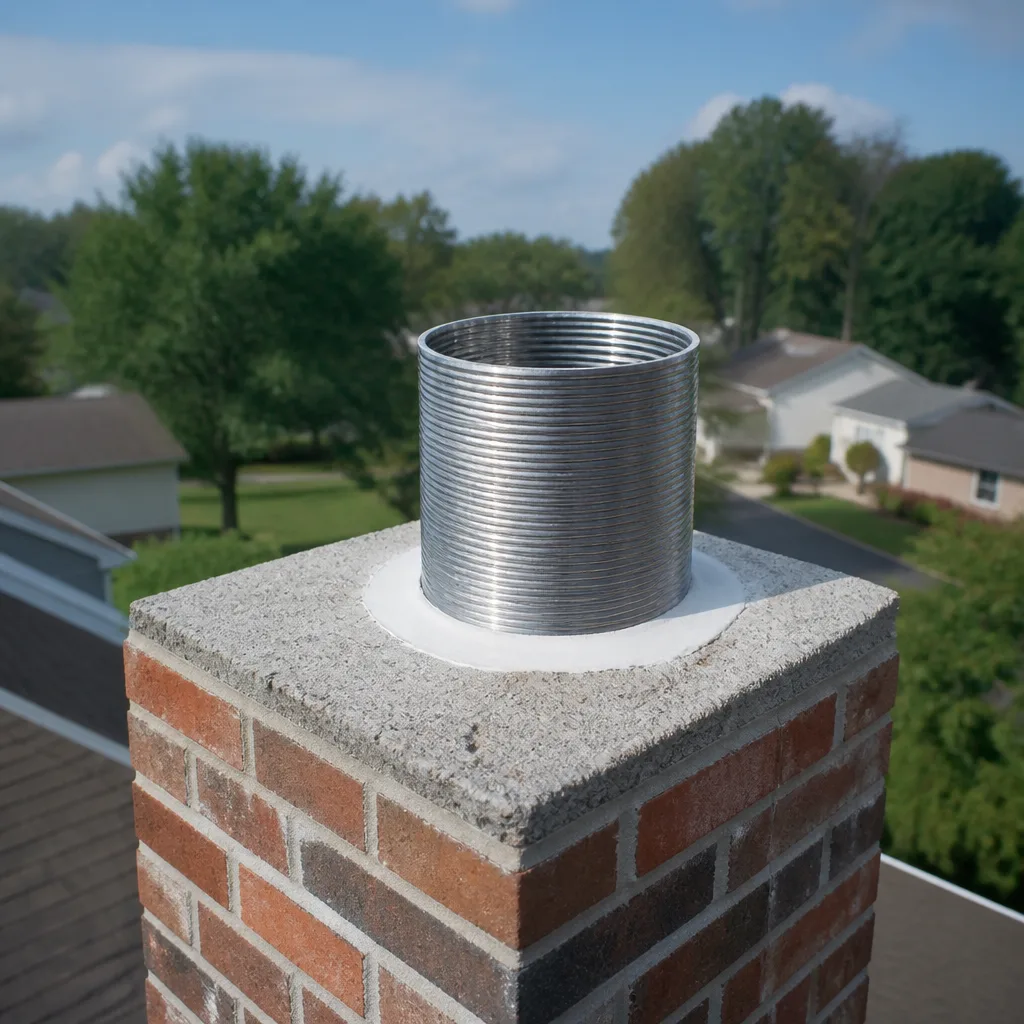
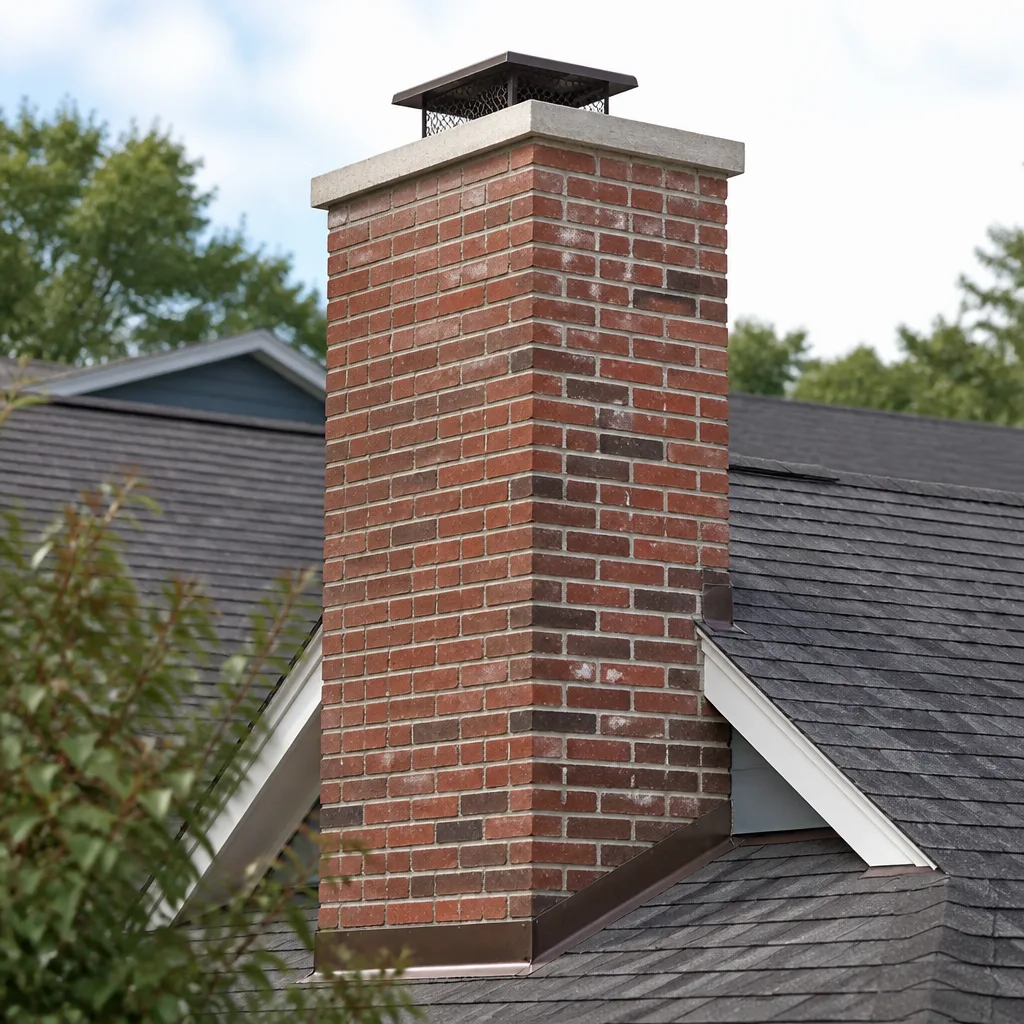
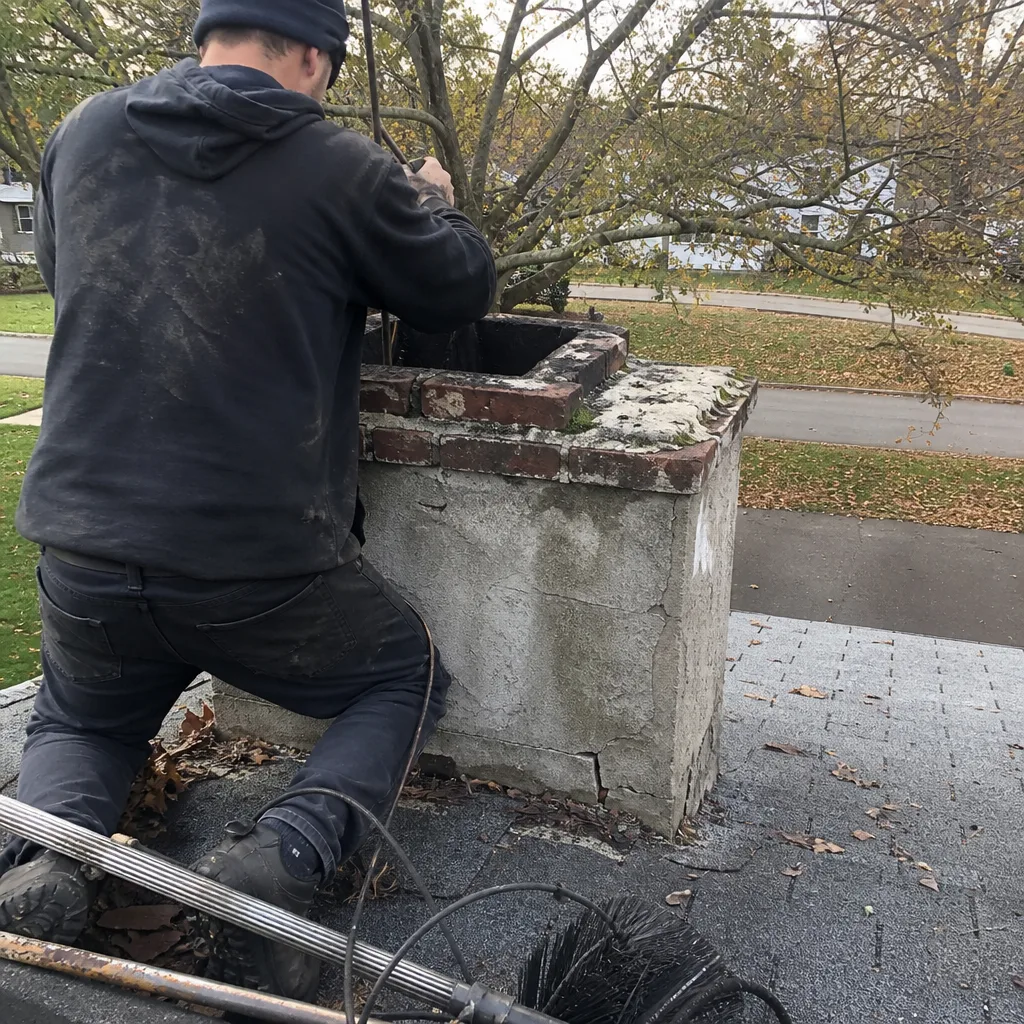 Before
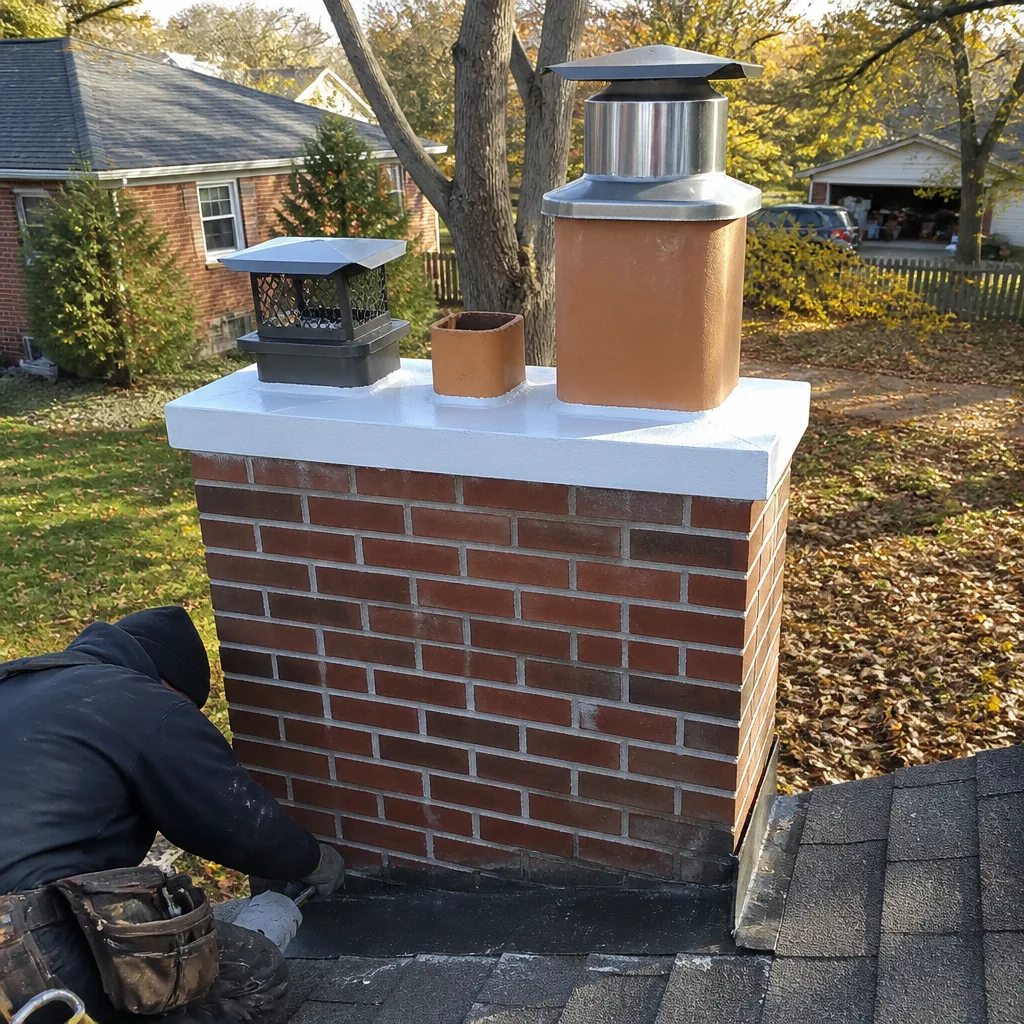 After
After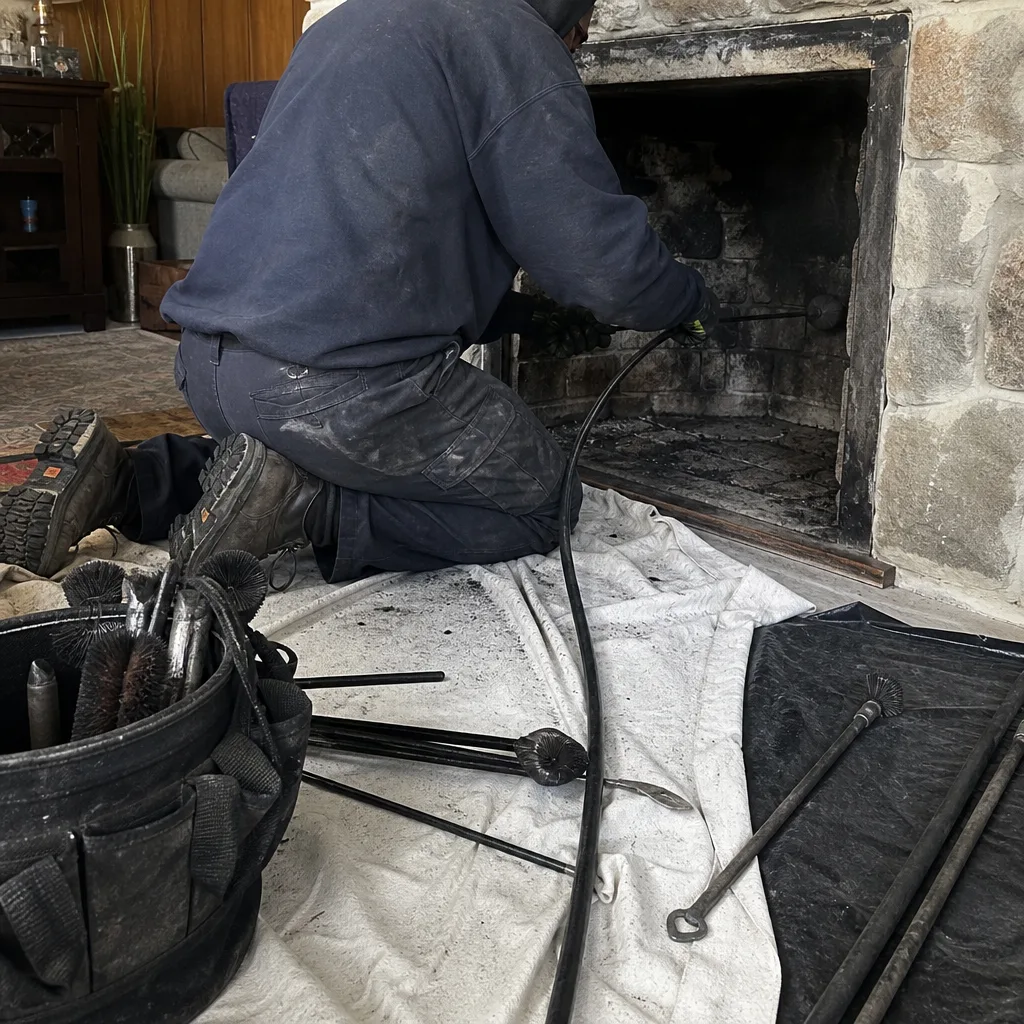 Before
 After
After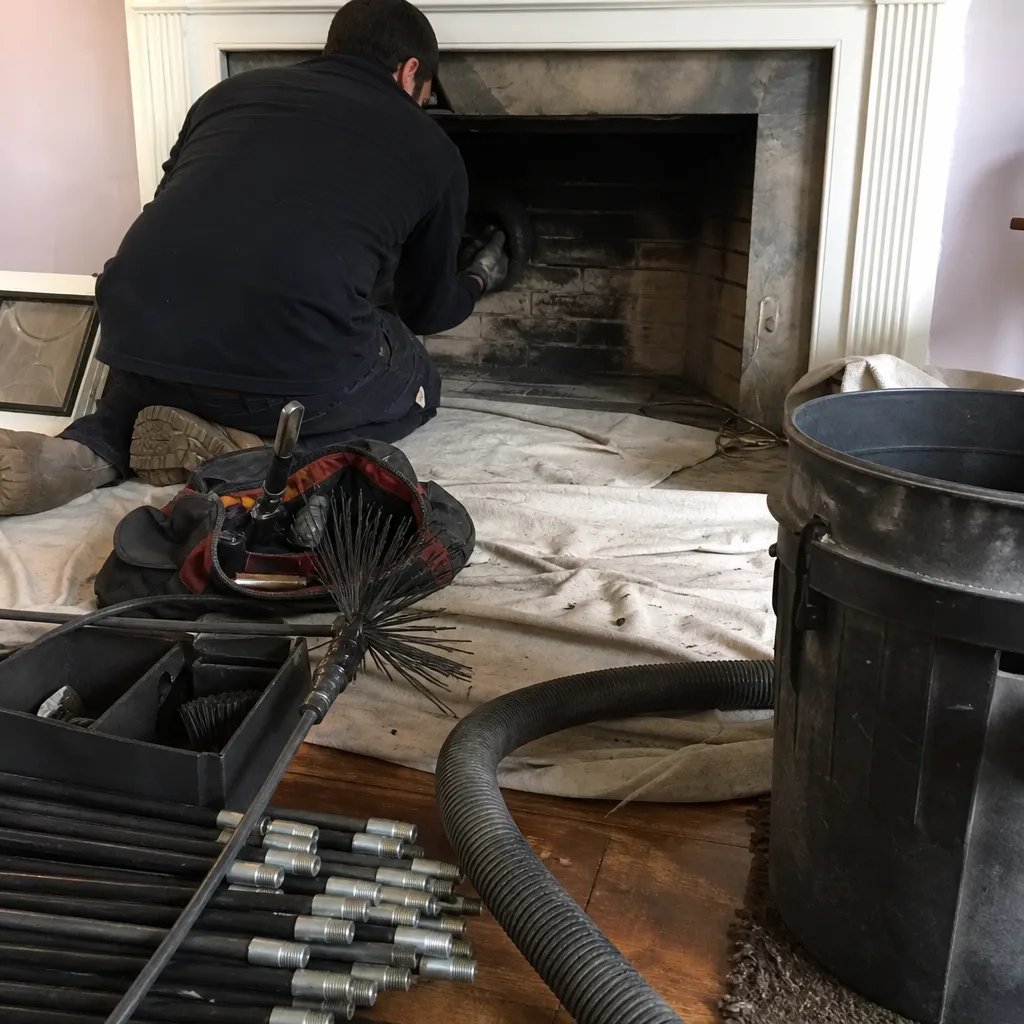 Before
 After
AfterDIY vs Professional Chimney Cleaning: The Wilmington Homeowner’s Decision Guide
A chimney brush kit costs about $60 at the hardware store and will remove first-stage creosote from your firebox and lower flue effectively. It will not show you whether the clay tile liner behind that creosote has a crack that has been venting combustion gases into your wall cavity for two seasons. In Wilmington, where our freeze-thaw cycles accelerate masonry deterioration and many homes in neighborhoods like Trolley Square, Forty Acres, and Hilltop were built before 1960 with original clay liners, that invisible damage is more common than most homeowners realize. This guide explains exactly what a DIY brush can do, what it cannot, and how to make the decision based on information rather than assumption.
Quick Answer
DIY chimney cleaning with a consumer brush kit can safely remove loose, first-stage creosote from accessible firebox and lower flue surfaces. It cannot classify creosote stage, inspect the flue liner for cracks, measure draft performance, or produce the documented inspection record that Delaware insurers require for claims related to chimney fires or carbon monoxide events. For Wilmington homes with full-height masonry chimneys, especially those built before 1980, professional service with camera-scan documentation is the only way to verify structural integrity. Surface cleaning is fine; structural inspection is not possible with consumer equipment.
Table of Contents
- What Consumer Brush Kits Actually Clean
- The Three Stages of Creosote and Why Classification Matters
- The Equipment Gap: What Professionals Bring
- When DIY Maintenance Is Genuinely Appropriate
- The Insurance Documentation Problem
- Wilmington-Specific Risks and What We See
- Cost Comparison: DIY vs Professional
- Common Mistakes to Avoid
- When to Call a Professional
- Frequently Asked Questions
- The Bottom Line
 Before
 After
AfterWhat Consumer Brush Kits Actually Clean
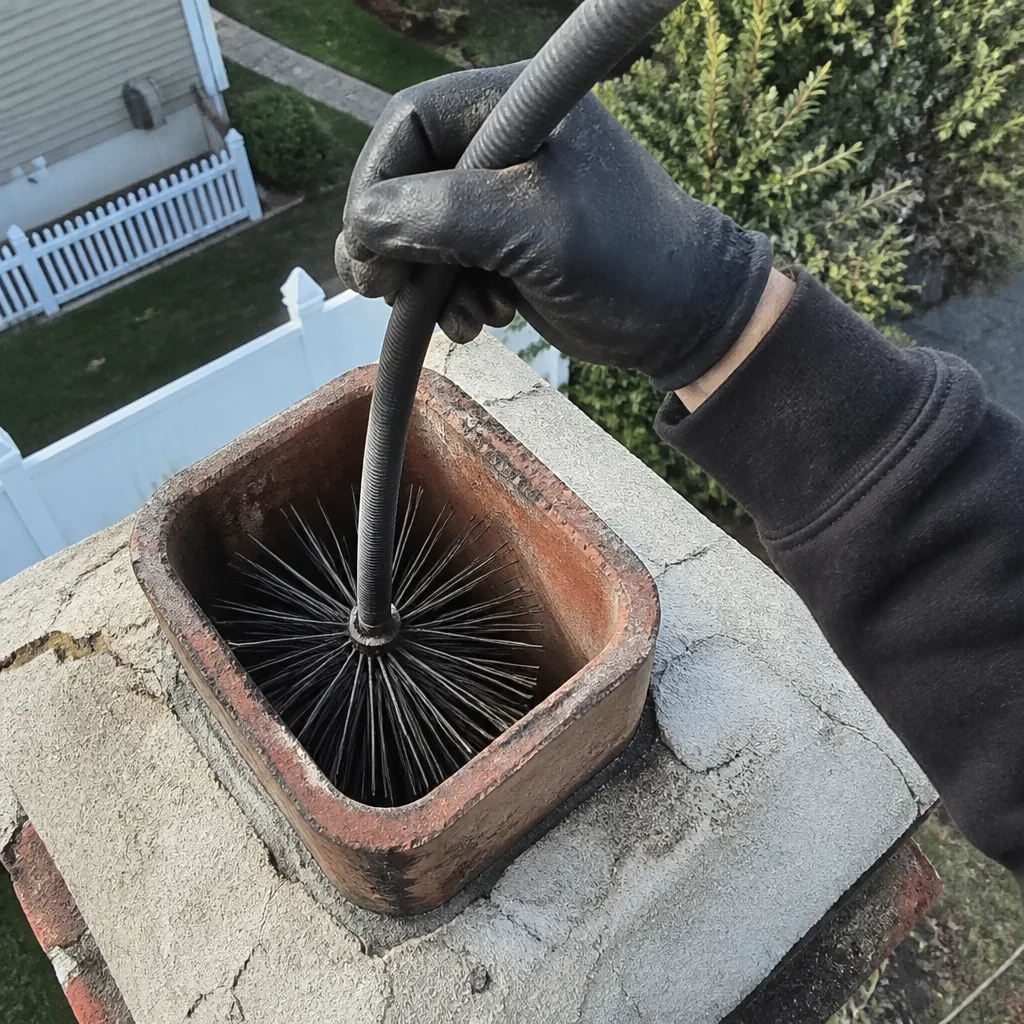
Consumer chimney brush kits, typically a 4-inch diameter poly or wire brush on flexible fiberglass rods, are designed for one task: dislodging dry, flaky creosote from relatively straight, unobstructed flue passages. In a standard Wilmington full-height masonry chimney, that means they reach approximately 6 to 10 feet above the damper throat before encountering resistance from the smoke chamber’s sloped walls.
Here’s what that covers in practical terms:
- Firebox floor and walls: Loose ash, partially burned wood fragments, and surface soot that has not adhered to brick
- Damper blade and frame: Buildup that prevents full closure, which wastes heated air when the fireplace is not in use
- Lower flue, first 6-10 feet: First-stage creosote that is still powdery or flaky, assuming the flue is straight and the same diameter throughout
- Smoke shelf (partially): Debris that has fallen and accumulated on the flat shelf behind the damper, accessible with a small shovel or brush extension
What these kits cannot reach or clean:
- The smoke chamber above the smoke shelf, where walls slope inward toward the flue - this area typically narrows from 24 inches to 8 inches and requires specialized tools to access
- Offset flues, common in Wilmington row homes in neighborhoods like Little Italy and West Center City, where the flue shifts horizontally to avoid floor joists
- The upper third of the flue, where creosote concentration is typically highest due to cooler temperatures and slower draft
- Clay tile liner joints, where gaps allow combustion gases to escape into the chimney wall
- The flue crown, cap, and exterior masonry, which require roof access and separate inspection
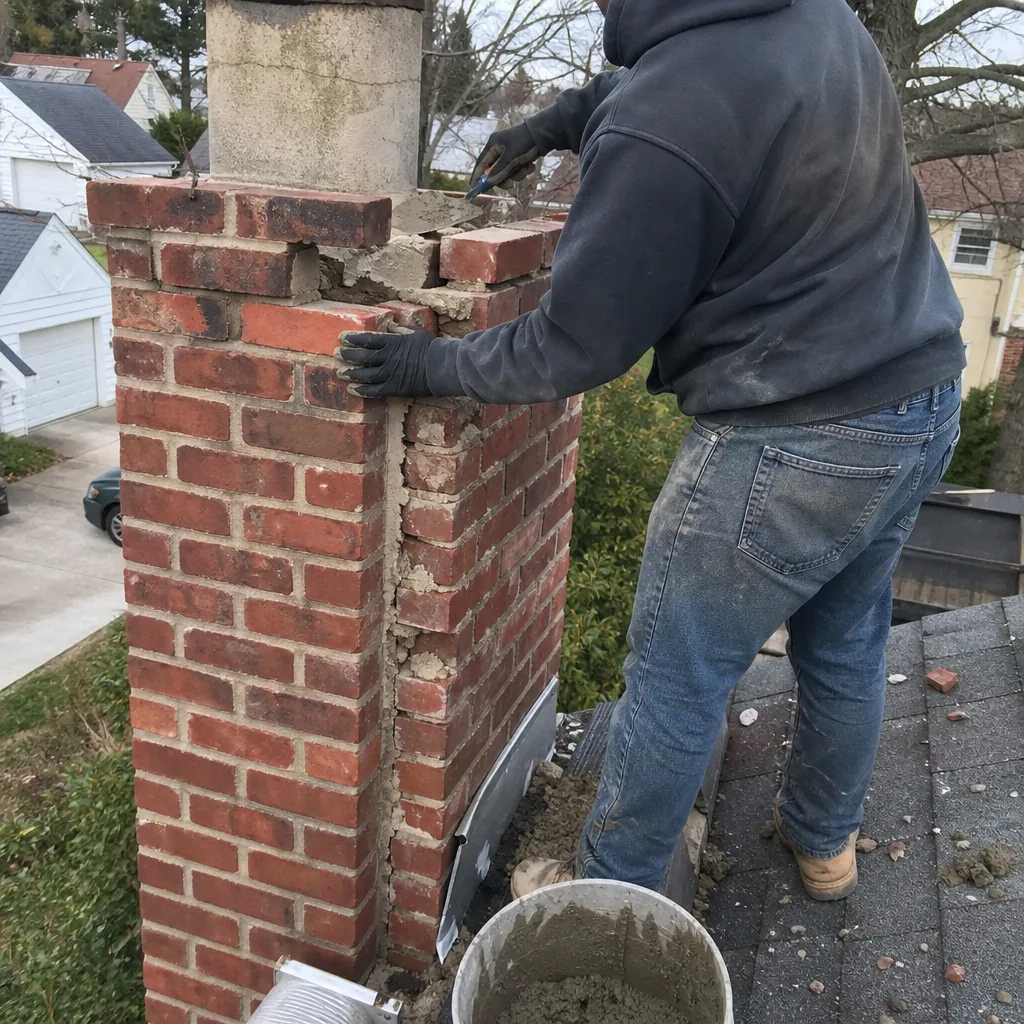
The fundamental limitation is mechanical, not a matter of effort. A 4-inch brush in an 8×8 inch flue cleans the center passage. It does not contact the corners or tile joints where the most dangerous conditions develop. In our experience across more than 38,000 chimney inspections since 2009, the damage that creates real hazard - cracked liner tiles, deteriorated mortar joints, spalling crown concrete - is never visible from below with a flashlight and never reachable with a consumer brush.
The Three Stages of Creosote and Why Classification Matters
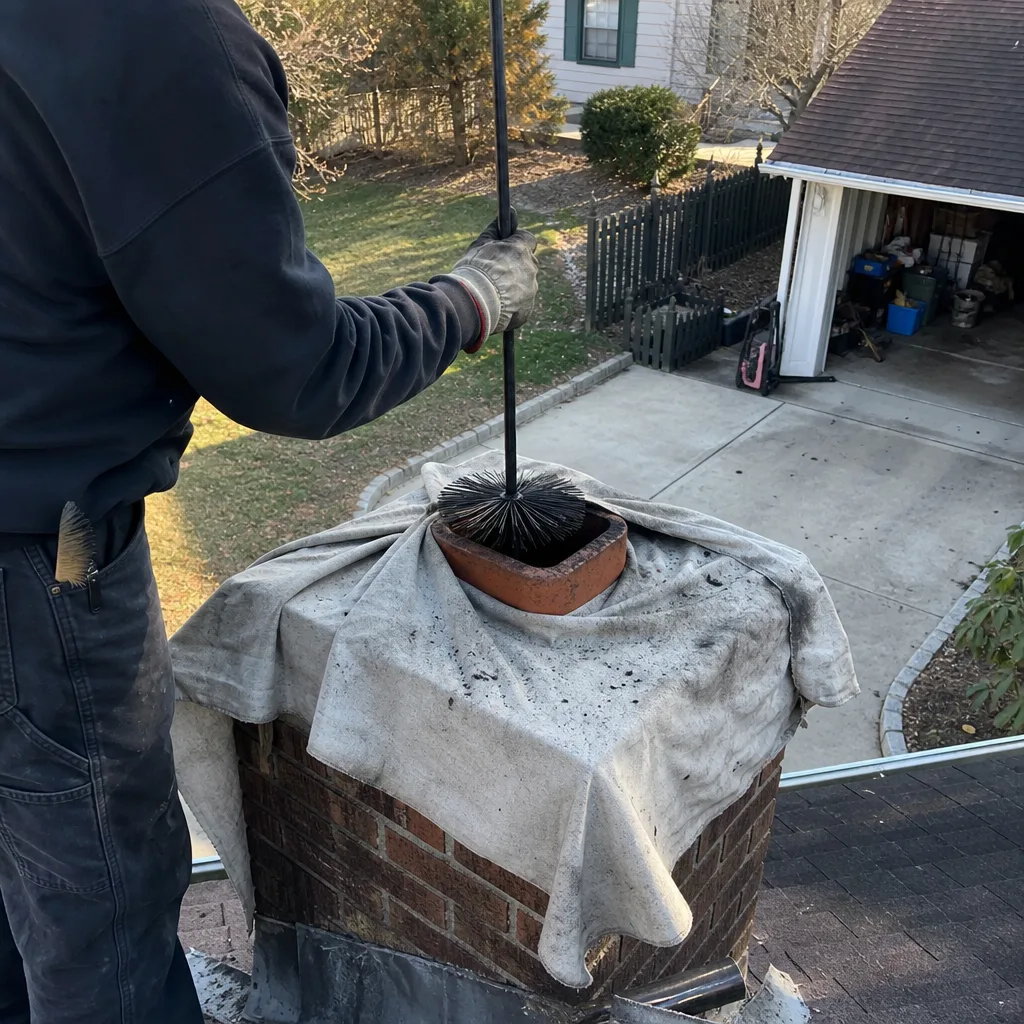
Creosote is not a single substance. The Chimney Safety Institute of America (CSIA) defines three stages, and misclassification is the core risk of DIY cleaning. A homeowner sees black buildup, assumes it is all the same, and either overestimates what their brush can remove or underestimates what remains.
Stage One: Soot and flaky creosote, black or brown, easily brushed away. This is what consumer kits are built for. It forms with dry, well-seasoned hardwood burned with adequate air supply. If this is all you have, DIY brushing is genuinely effective for surface removal.
Stage Two: Crunchy, porous, tar-like flakes that cling to flue walls. This requires a rotary cleaning system - a spinning wire or chain whip on a power drill - to break the bond. Consumer brushes slide over it. In Wilmington, we see this stage frequently in homes that burn pressed logs or operate inserts with restricted air flow. The danger is that it looks brush-removable from below. It is not.
Stage Three: Glazed, hardened creosote, glossy and dense as obsidian. This is fuel. It cannot be brushed or rotary-cleaned without damaging clay tiles. Professional treatment requires chemical modification - spray-on catalysts that convert it to a brushable ash over multiple heating cycles - or liner replacement if the buildup has reduced flue diameter below code minimum. We source liner materials from DuraFlex and Olympia Chimney through our Haven buying network specifically for these cases.
The classification problem: Stage Two viewed from the firebox with a flashlight can look like Stage One. Stage Three near the top of the flue, where you cannot see or reach, is invisible. Only a camera inspection reveals the actual condition. In our Wilmington work, we have documented Stage Three buildup in chimneys where homeowners reported “just sweeping it out every year” with a hardware store kit. The brush cleaned the bottom. The top remained hazardous.
Our recommendation: if you burn more than one cord of wood per season, or if any of your fuel has been stored less than 18 months, assume you have at least Stage Two until a camera inspection proves otherwise.
The Equipment Gap: What Professionals Bring
The difference between DIY and professional service is not merely “more thorough cleaning.” It is access to information that consumer equipment cannot generate. Here is what a CSIA-certified sweep deploys on a standard Chimney Cleaning & Sweep in Wilmington that no homeowner can replicate:
- High-resolution chimney camera: Our camera systems use LED lighting and articulating heads to record 1080p video of the entire flue liner, tile by tile, joint by joint. Under Clause 4 of the Haven Standard, this footage is archived with every job record. Consumer inspection cameras, even expensive borescope models, lack the lighting intensity and maneuverability to image a 25-foot vertical passage clearly. Grainy, poorly lit footage is worse than no footage - it creates false confidence.
- Draft gauge (manometer): Measures pressure differential to verify that combustion gases are being drawn up and out at adequate velocity. Negative draft that is too weak allows smoke spillage into living space; negative draft that is too strong causes over-firing and accelerated liner deterioration. The gauge reads in pascals, and acceptable range varies by flue height, diameter, and appliance type. There is no DIY equivalent.
- Liner probe and measuring tools: A cracked clay tile may still appear intact from the camera angle. A probe gently tapped against suspected damage reveals structural integrity. We also measure flue diameter at multiple points to detect narrowing from buildup or liner displacement - a condition that can reverse draft in extreme cases.
- Rotary cleaning system: For Stage Two creosote, the spinning whip adapts to flue diameter and breaks bonded deposits without tile damage. The torque-controlled drill prevents over-spinning that could crack aging clay. Consumer drill attachments lack this control and have damaged more liners than they have cleaned, in our observation.
- HEPA vacuum and containment: Creosote dust is a respiratory hazard and, in sufficient concentration, combustible. Professional vacuums with proper filtration and grounding prevent static ignition. Shop vacuums are not rated for this application.
- Combustible gas analyzer: Detects carbon monoxide spillage at the firebox, damper, and hearth extension. This is a safety screening, not a substitute for household CO detectors, but it identifies active leakage that requires immediate correction.
The output of this equipment is not merely a cleaner chimney. It is a documented record: video, readings, written scope, written price, written warranty. That record has value beyond the service visit itself, which we address in the insurance section below.
When DIY Maintenance Is Genuinely Appropriate
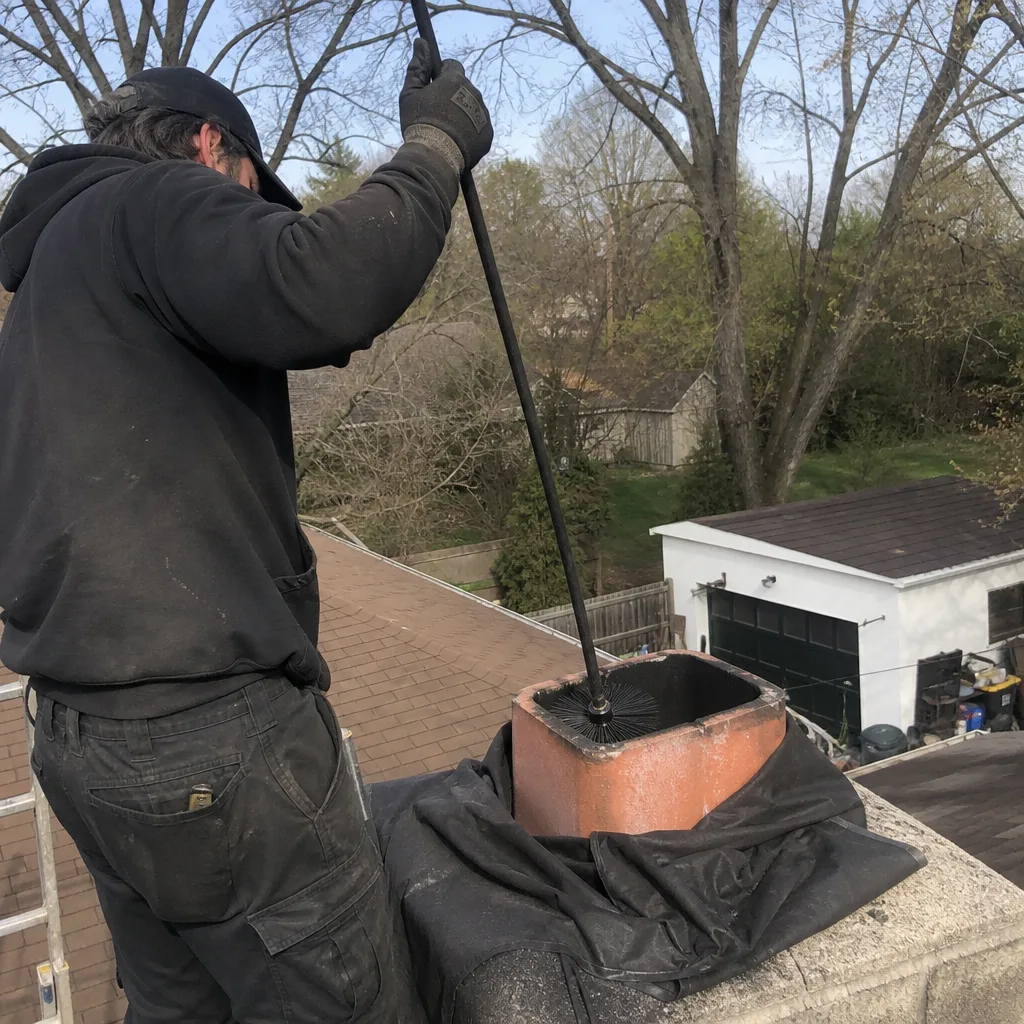
We are not opposed to homeowner maintenance. There are specific tasks that a careful, physically able homeowner can execute safely between professional service years, and doing so can reduce professional cleaning frequency in some cases. Browse our more guides & resources for additional homeowner maintenance tips.
Appropriate DIY tasks:
- Firebox ash removal: After the fire is fully extinguished and the ash is cold (minimum 24 hours), shovel ash into a metal container with a tight lid. Store outside on concrete, away from structures, for at least one week before disposal. This is basic hygiene, not inspection.
- Smoke shelf debris clearing: Open the damper fully, reach up with a small brush or vacuum hose extension, and remove fallen leaves, animal nesting material, or loose soot. Wear a respirator rated N95 or higher - creosote particles are smaller than standard dust masks filter.
- Cap and spark arrestor clearing: From the ground with binoculars, or from a secure ladder if you are comfortable with heights, check that the cap mesh is not clogged with creosote or debris. Do not attempt this in icy conditions or on roofs steeper than 4:12 pitch. If you are not confident on a ladder, this is not the place to learn.
- Seasoned wood management: Split, stack, and cover wood for 18 months minimum. Burn only hardwoods (oak, hickory, maple) with moisture content below 20 percent, verified with a $20 moisture meter. This single practice reduces creosote formation more than any cleaning method.
- Visual inspection of accessible exterior masonry: From ground level, note missing bricks, cracked crown, or deteriorated mortar joints. Document with dated photos. This does not replace professional inspection but creates a baseline for comparison.
Tasks we do not recommend for DIY:
- Any work involving the flue liner, including brushing beyond the first accessible section
- Smoke chamber cleaning - the confined space and awkward angle create entrapment risk
- Crown or cap repair - working at height with mortar or sealant requires fall protection
- Damper adjustment or replacement - improper installation can block emergency escape of combustion gases
- Any task after burning manufactured logs, treated wood, or paper with colored inks, which deposit chemical residues requiring professional assessment
The boundary is clear: surface cleaning and debris removal are homeowner-appropriate; anything involving structural assessment, liner condition, or combustion safety requires professional equipment and documentation.
The Insurance Documentation Problem
This is the point where the DIY versus professional debate shifts from preference to financial consequence. Delaware homeowners insurance policies, and the national carriers that dominate the Wilmington market, have specific requirements for chimney-related claims. We have reviewed hundreds of claim denials in our 16 years of operation, and the pattern is consistent.
After a chimney fire or carbon monoxide event, insurers request service records. A homeowner who cleaned their own chimney can produce receipts for brush kits, maybe photos of ash removal. This documentation does not establish that the chimney was inspected, that the liner was intact, or that the system was safe to operate. Insurers deny claims on this basis - “failure to maintain per manufacturer and NFPA 211 standards” - and the denial is defensible in court.
What satisfies the standard:
- A dated invoice from a licensed, insured contractor
- Written scope of work performed, referencing NFPA 211 Level 1 or Level 2 inspection
- Photo or video documentation of flue condition, archived and retrievable
- Contractor signature and license information
- Written statement of findings and recommendations
Under Clause 4 of the Haven Standard, we have provided this documentation on every job since 2009. It is not an optional add-on or a premium service. It is the record that distinguishes maintenance from liability protection. A homeowner with a $60 brush kit has performed maintenance. A homeowner with a camera-scan report from a licensed sweep has a defensible position in a claim dispute.
We offer a Free Second Opinion on any written estimate from another contractor, in part because we have seen homeowners pay for “inspections” that produced no documentation at all - just a verbal “looks fine” and a sweep bill. That record will not satisfy an insurer.
Wilmington-Specific Risks and What We See
Our climate and housing stock create conditions that make DIY assessment particularly unreliable in Wilmington compared to other markets.
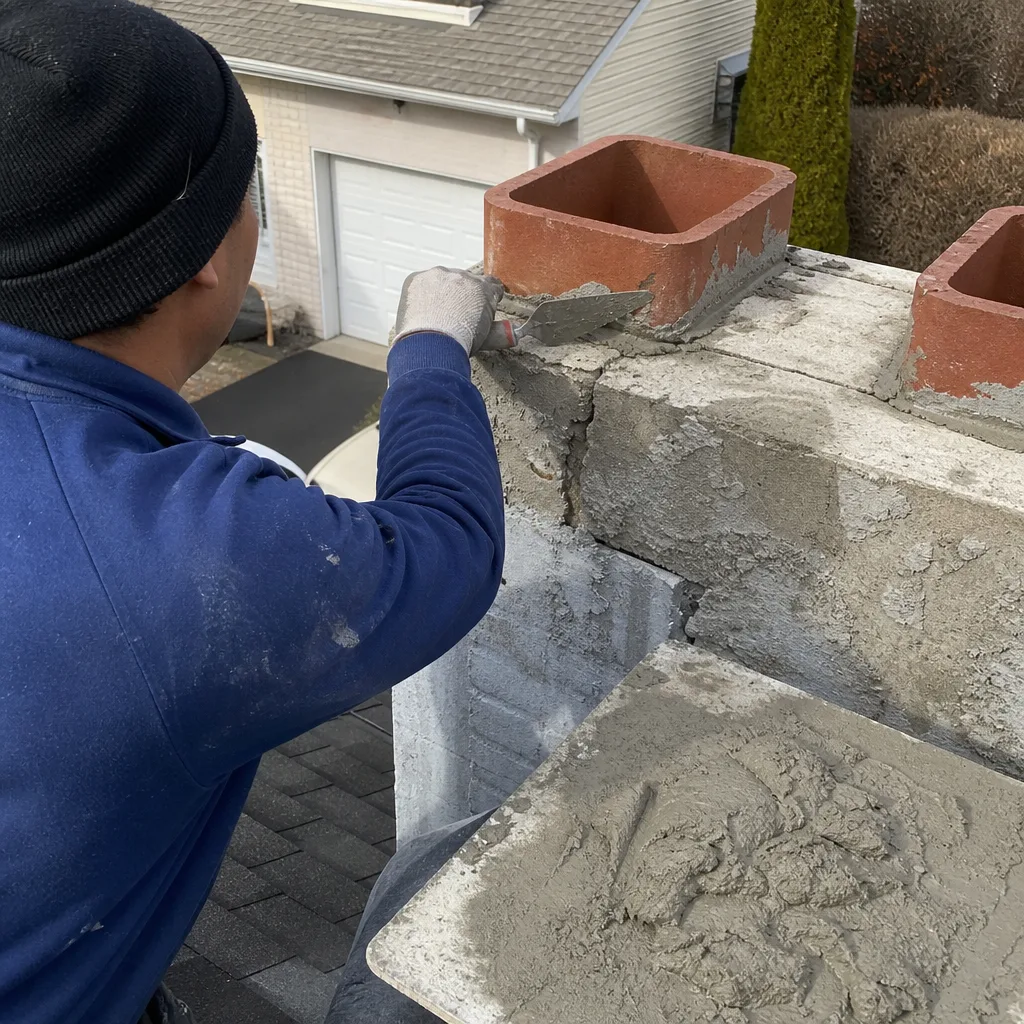
Freeze-thaw masonry damage: Wilmington averages 20 freeze-thaw cycles annually, with temperatures oscillating above and below 32 degrees during winter rain and snow events. Water penetrates crown cracks and mortar joints, expands when frozen, and fractures clay tile liners from the outside. The damage is internal and progressive. A brush kit user sees clean flue walls and assumes health; the camera reveals tile shards, displaced sections, and gaps at joints that vent gases into the chimney wall. In neighborhoods like Cool Spring and Browntown, where many chimneys date to the 1920s-1950s, we find this condition in roughly 40 percent of initial inspections.
Coastal humidity and salt air: Homes within two miles of the Christina River or Delaware River experience accelerated metal deterioration - stainless steel caps, dampers, and connector pipes. Consumer inspection does not typically include these components. We replace corroded caps with Gelco and Famco materials sourced through our Haven network specifically for coastal exposure resistance.
Historic district construction: Homes in the Wilmington Historic District and surrounding preservation areas often have unlined brick chimneys or early terra cotta liners that do not meet modern standards. These systems cannot be assessed for safety by visual inspection alone. A smoke test, performed with professional equipment and witnessed documentation, is required to verify that gases are contained. No consumer tool performs this test.
Basement fireplace configurations: Common in 1950s-1970s ranch and split-level homes in suburbs like Pike Creek and North Wilmington, basement fireplaces with exterior chimneys experience reverse draft conditions due to stack effect. The chimney may appear to draw properly in mild weather and spill combustion gases in cold weather. Only draft gauge measurement across temperature conditions reveals this pattern.
Local permit and code context: Wilmington requires permits for chimney liner replacement and structural repair. Work performed without permit can complicate home sale transactions and insurance claims. Our proposals include permit acquisition where required; DIY work typically does not, creating a latent title issue.
Cost Comparison: DIY vs Professional
Direct cost comparison requires honest accounting of what each approach actually delivers. Here is the breakdown for a standard Wilmington full-height masonry chimney:
| Approach | Initial Cost | What Is Included | What Is Omitted |
|---|---|---|---|
| DIY brush kit | $50-$80 | Surface creosote removal, firebox cleaning, smoke shelf debris | Liner inspection, creosote stage classification, draft measurement, documentation, warranty, professional liability coverage |
| Basic professional sweep (no camera) | $150-$220 | Full flue brushing, debris removal, basic visual inspection from below | Camera documentation, liner condition verification, written findings archive |
| NFPA 211 Level 2 inspection with camera | $280-$400 | Full cleaning, camera-scan video, draft measurement, written scope and findings, documented photo record, archived job file | None - this is complete assessment and maintenance |
| Level 2 with repair recommendations | $280-$400 + repair quote | All Level 2 services plus written repair scope with line-item pricing, material specifications (DuraFlex, HeatShield, etc.), warranty terms | Repairs themselves, if needed |
The meaningful comparison is not DIY versus professional cleaning. It is DIY surface maintenance versus professional information. A homeowner who brushes annually and schedules professional Level 2 inspection every 3-5 years, depending on use intensity, achieves both cost efficiency and safety verification. The expensive error is brushing annually and never inspecting, assuming that clean appearance equals safe function.
Our pricing under the Haven Standard is quoted in writing before work begins, with no variation after arrival. Clause 1 requires it. We do not provide “estimates” that become invoices. The price we state is the price you pay, and it includes the documented record that insurers recognize.
Common Mistakes to Avoid
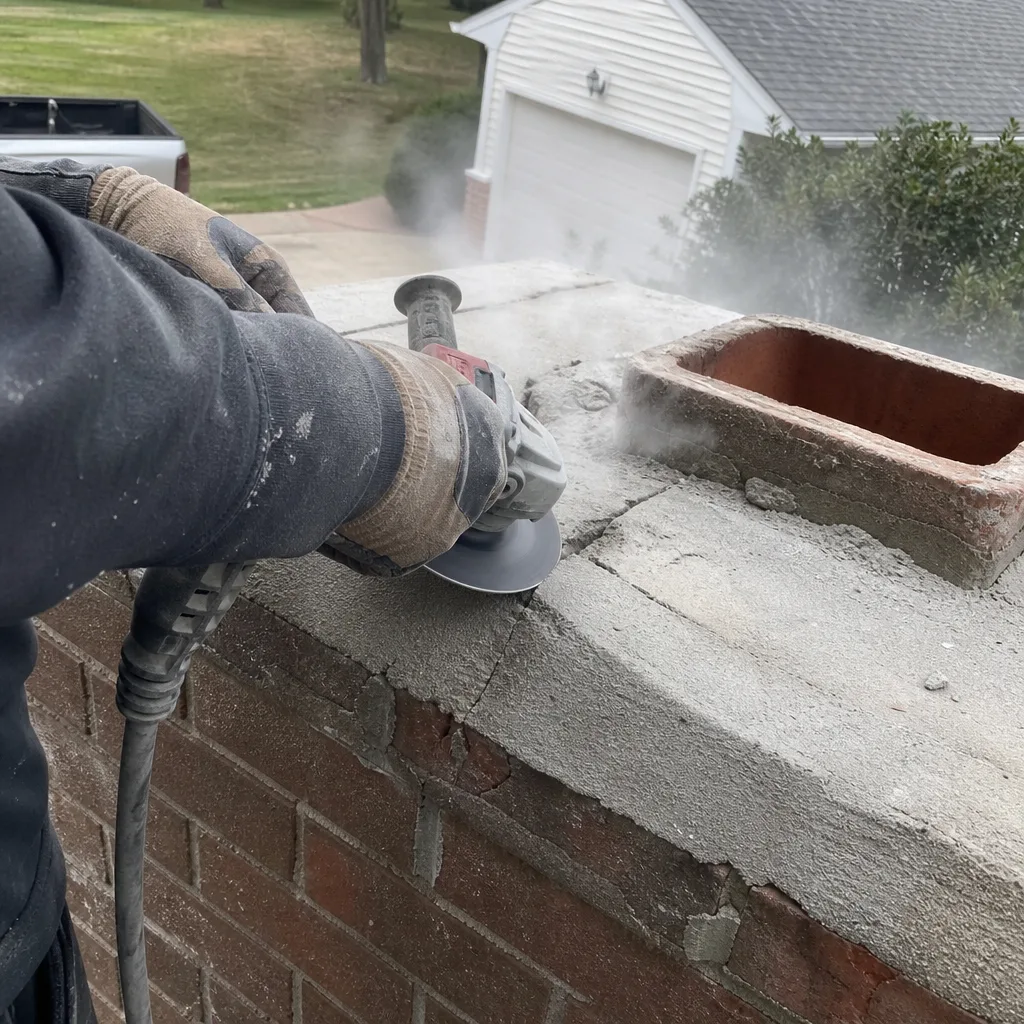
- Assuming a clean firebox means a clean flue: The firebox is the easiest surface to clean and the least likely to cause failure. Creosote concentrates and hardens in the cooler upper flue, where no consumer brush reaches effectively.
- Using a brush that is too small for the flue: A 4-inch brush in an 8×8 inch flue cleans a 4-inch circle. The corners accumulate creosote unchecked. We have removed 2-inch buildup from flue corners where homeowners reported “cleaning it every year” with undersized brushes.
- Burning unseasoned wood and compensating with more frequent brushing: Wet wood produces Stage Two and Three creosote faster than any brushing schedule can manage. The solution is fuel management, not mechanical removal.
- Ignoring the smoke chamber: This sloped area above the damper is where many chimney fires initiate. It is inaccessible to consumer brushes and rarely inspected by homeowners. Our camera systems image this area as standard practice.
- Performing DIY “inspection” after a chimney fire: Even a small chimney fire can crack clay tiles, displace liner sections, or damage mortar joints. The chimney may appear functional but is no longer structurally sound for containing combustion gases. Professional assessment is mandatory, not optional, after any fire event.
- Discarding documentation from previous professional service: The dated record of inspection is your evidence of maintenance. We archive all Haven Standard records indefinitely, but homeowners should retain their copies for insurance and real estate transaction purposes.
- Hiring based on lowest price without verifying what is included: A $99 “sweep special” that does not include camera inspection, written findings, or archived documentation is not comparable to a Level 2 service. It is a brush cleaning with marketing.
When to Call a Professional
Call a CSIA-certified sweep immediately if you observe any of the following: visible cracks in firebox brick or mortar, pieces of clay tile in the firebox or cleanout, smoke entering the room during operation, a strong odor of creosote during humid weather, or any evidence of prior chimney fire (puffy creosote, discored metal, damaged mortar). These conditions indicate structural or functional failure that brushing cannot correct.
Schedule professional inspection before the burning season if your chimney has not had camera-scan documentation within three years, if you have purchased a home with unknown service history, if you have changed fuel type or installed a new insert, or if you burn more than two cords of wood annually. In Wilmington’s climate, these are not conservative thresholds; they are the minimum for verified safety.
Level Two Chimney Wilmington offers free estimates in Wilmington and surrounding areas. We answer calls live 24 hours a day. Call (610) 546-5053 to schedule.
Frequently Asked Questions
A standard chimney sweep with NFPA 211 Level 2 camera inspection in Wilmington typically ranges from $280 to $400 for a full-height masonry chimney, depending on accessibility, flue configuration, and creosote stage. Basic sweep-only service without camera documentation runs $150-$220 but does not satisfy insurer documentation requirements. We quote in writing before arrival; the price does not change after inspection. Call (610) 546-5053 for an exact quote - estimates are free.
Occasional use does not eliminate inspection need. In fact, infrequent fires often produce more creosote per burn because the flue remains cold, slowing draft and allowing more condensation. DIY brushing between professional visits is appropriate for surface maintenance if you burn fewer than 10 fires per season. Professional camera inspection every three years remains necessary to verify liner integrity regardless of use frequency.
NFPA 211 recommends annual inspection for all chimney systems, with cleaning frequency determined by creosote accumulation. In Wilmington’s climate, with our humidity and freeze-thaw cycles, we recommend Level 2 camera inspection annually for heavily used systems (more than two cords per season) and at minimum every three years for occasional use. Our Seasonal Chimney Cleaning Care for Wilmington: Year-Round Homeowner’s Guide explains how to time these inspections with your burning schedule. The inspection determines whether cleaning is needed; the schedule should not assume it.
Skipped maintenance allows creosote to progress from Stage One to Stage Two or Three, increasing chimney fire risk and reducing flue diameter. It also permits undetected liner damage, which can vent carbon monoxide into wall cavities or living space. In Wilmington’s older housing stock, we have documented cases where cracked liners operated for multiple seasons without symptoms until camera inspection revealed severe deterioration. The hazard is invisible until it is critical or until an event occurs.
A legitimate liner recommendation is supported by camera evidence you can view yourself, specific code references (typically NFPA 211 or IRC Chapter 10), and a written scope with material specifications and warranty terms. Under the Haven Standard, we provide this documentation before any repair is proposed. If a contractor recommends liner replacement without showing you the camera footage, or without explaining why the existing liner fails code, seek a second opinion. Our Free Second Opinion service will review any competitor’s written estimate.
Delaware insurers require a dated service record from a licensed contractor, including written scope of work, contractor license information, and ideally photo or video documentation of chimney condition. A DIY cleaning receipt does not satisfy this standard. The camera-scan report with contractor signature that we provide under Clause 4 of the Haven Standard is designed specifically to meet this documentation requirement. Without it, chimney fire and CO-related claims are routinely denied.
No. Any chimney fire, regardless of apparent size, can damage clay tile liners, mortar joints, or surrounding masonry. The thermal shock creates cracks that may not be visible from below but compromise the chimney’s ability to contain combustion gases. Professional inspection with camera documentation is required before the system is returned to service. Operating a chimney with post-fire damage without assessment is a known cause of house fires and carbon monoxide fatalities.
The Bottom Line
The DIY versus professional question is not about competence or thrift. It is about information. A homeowner with a $60 brush kit can maintain surface cleanliness effectively. That same homeowner cannot classify creosote stage, inspect a flue liner for cracks, measure draft performance, or produce the documented record that insurers and building codes require. In Wilmington’s climate, with our aging housing stock and freeze-thaw masonry stress, the invisible conditions matter more than the visible ones. The honest verdict: brush your firebox, manage your fuel, and schedule professional camera inspection on a cycle that matches your use. The brush maintains appearance. The camera verifies safety. Both have their place, but they are not interchangeable.
Written by Corrine Halstead, Owner at Level Two Chimney Wilmington, serving Wilmington since 2009.