
Last updated September 22, 2026
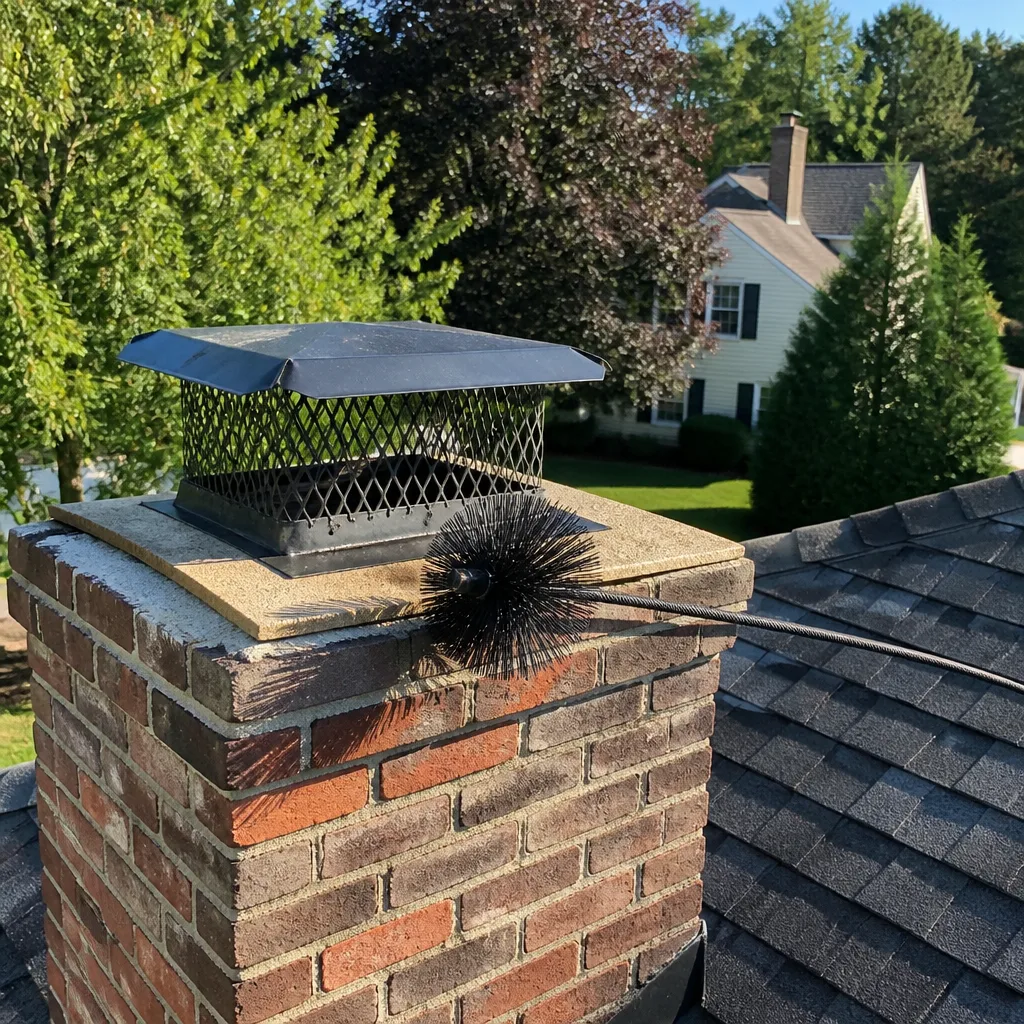
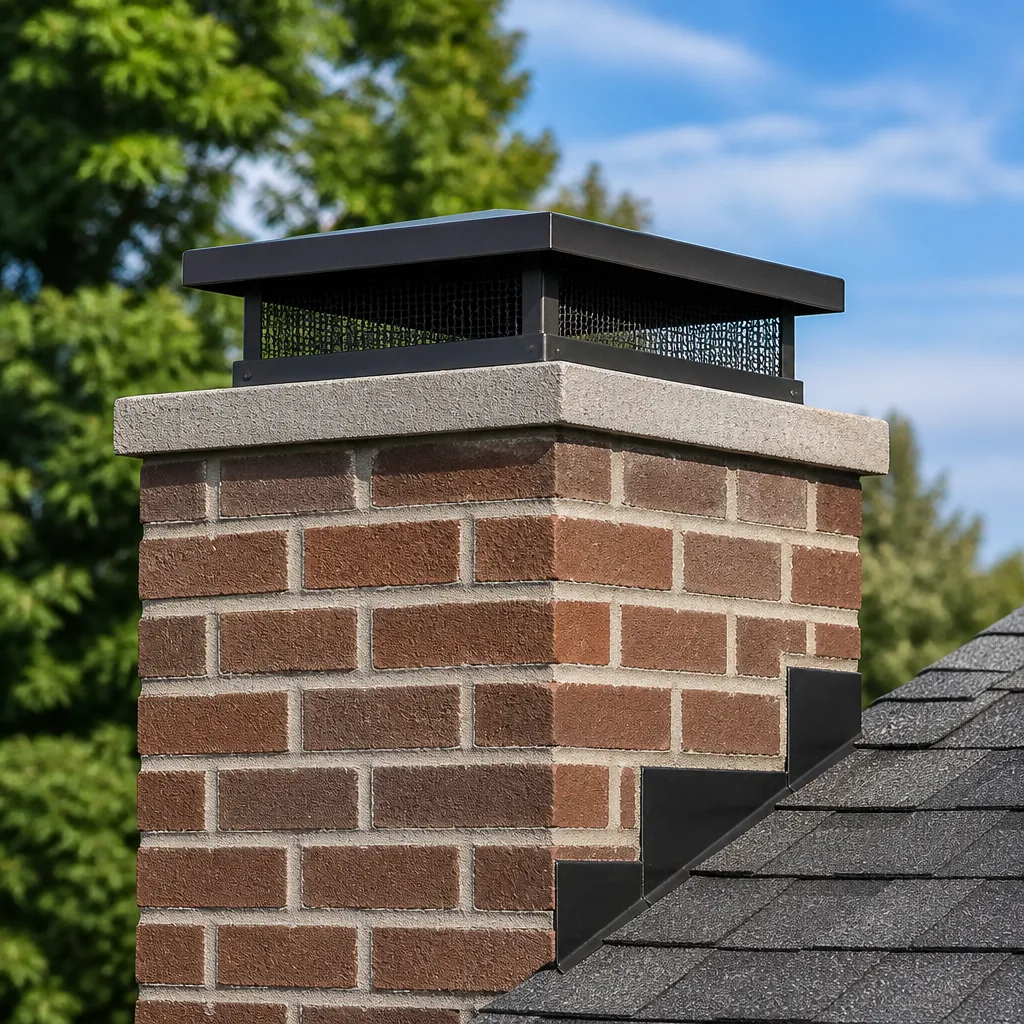
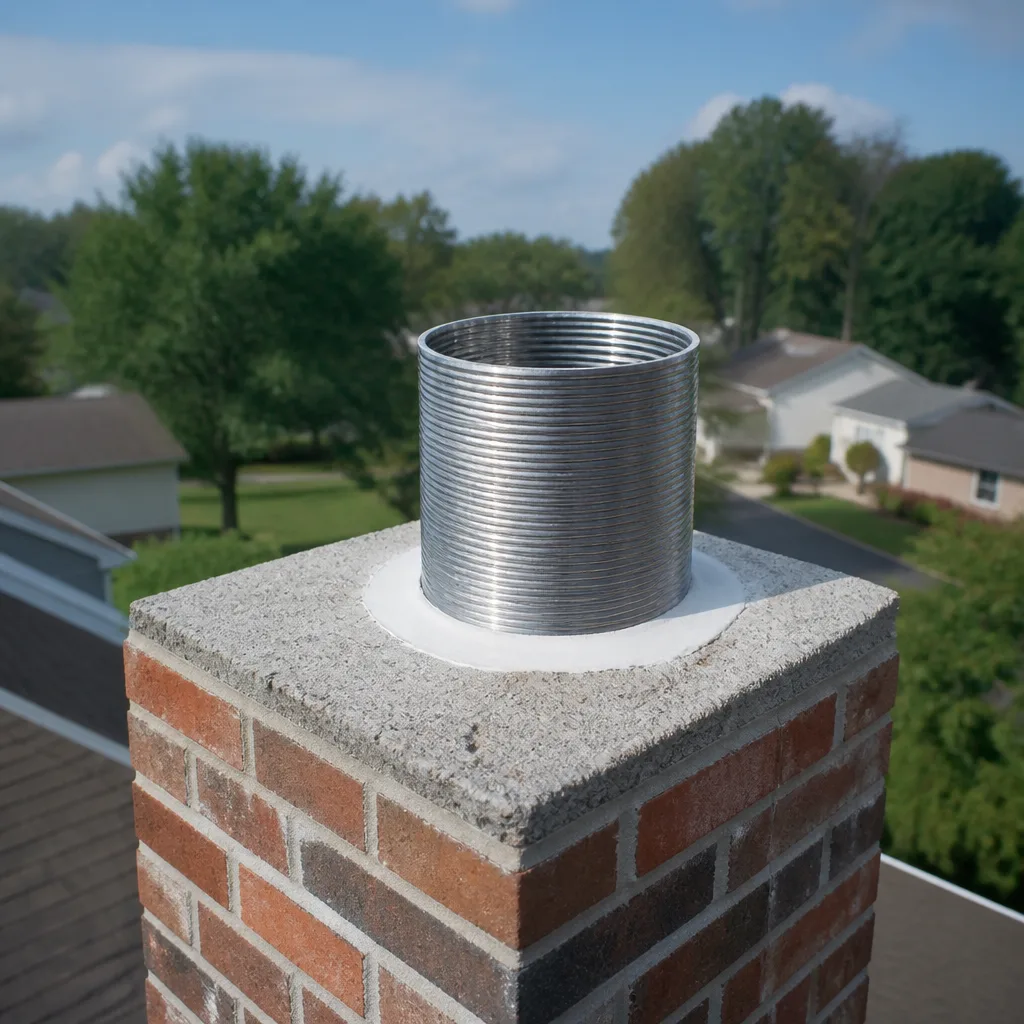
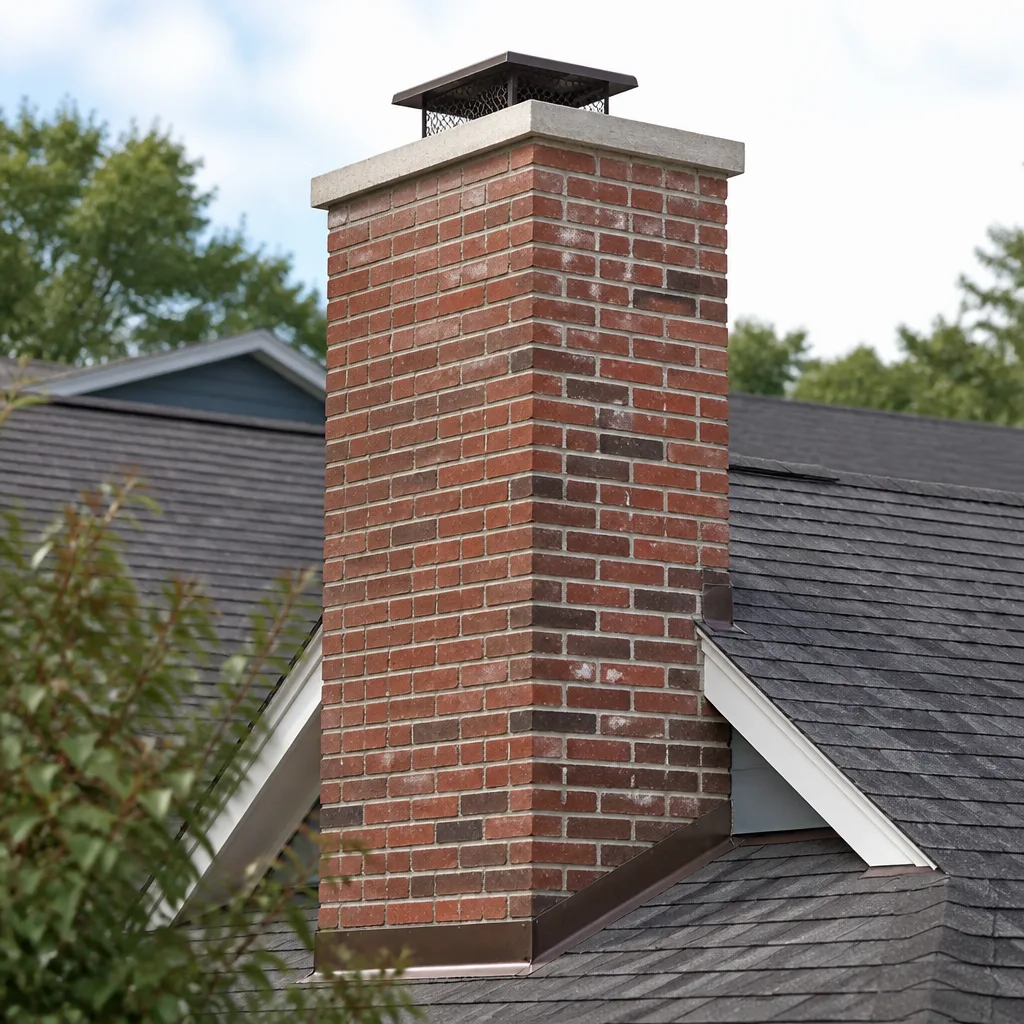
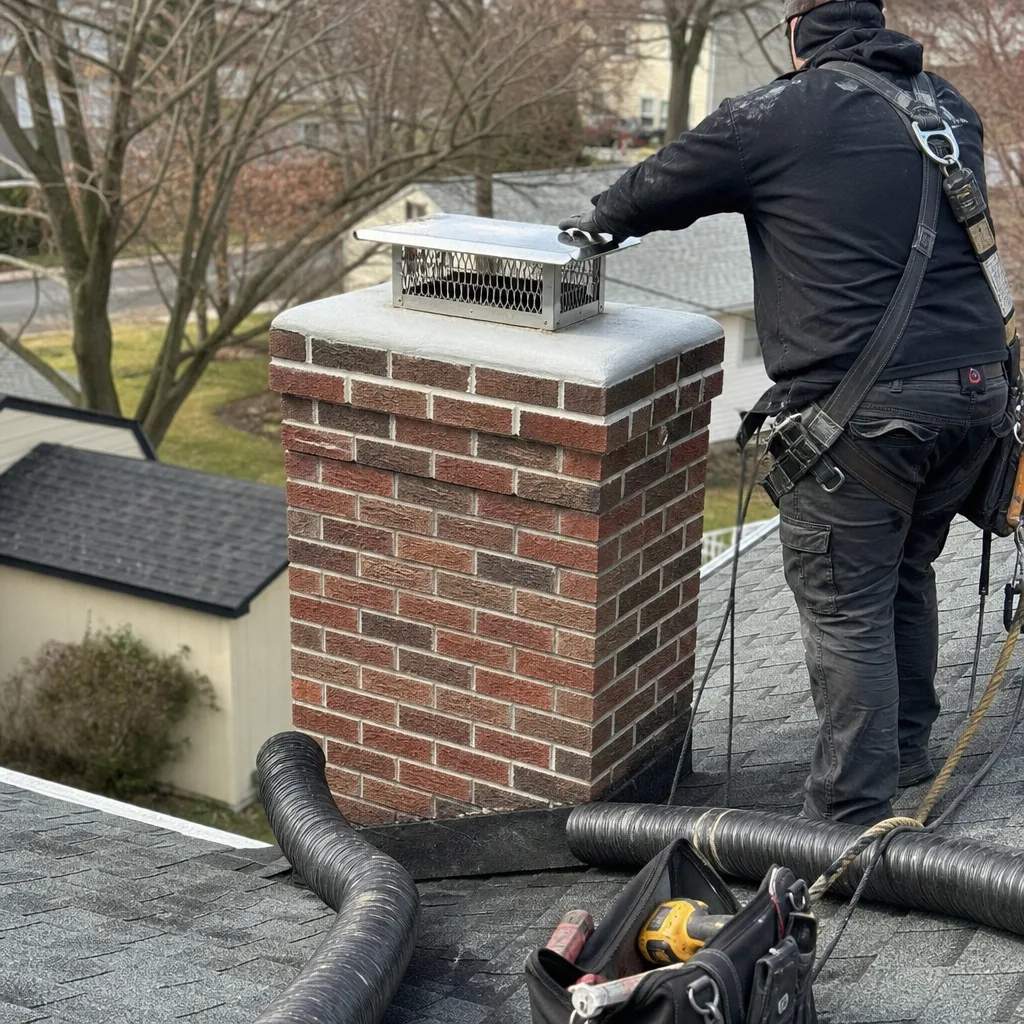
Level 1 sweep and inspection to the NFPA 211 annual standard - flue, crown, cap, and flashing checked and photographed
Chimney sweep logs do not sweep chimneys. They loosen some creosote - which then falls where a brush and vacuum still have to collect it.
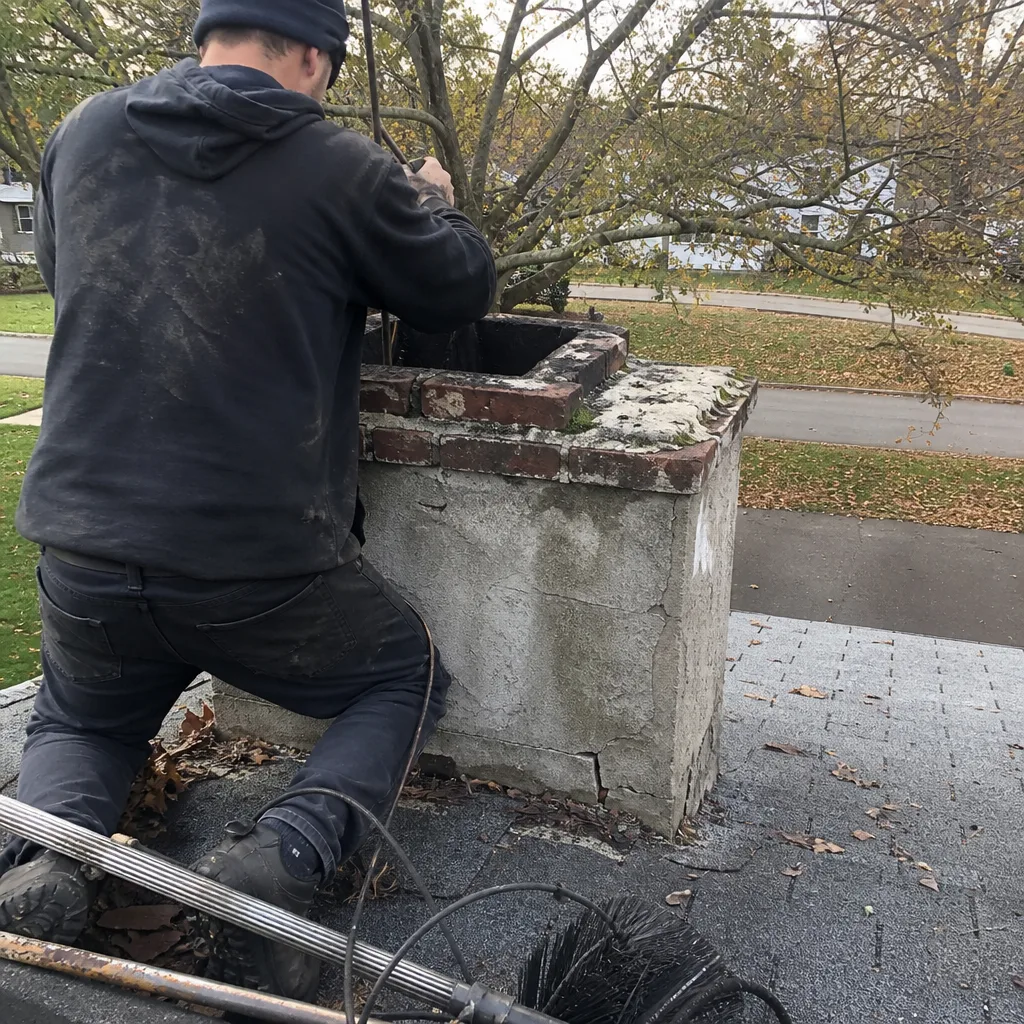 Before
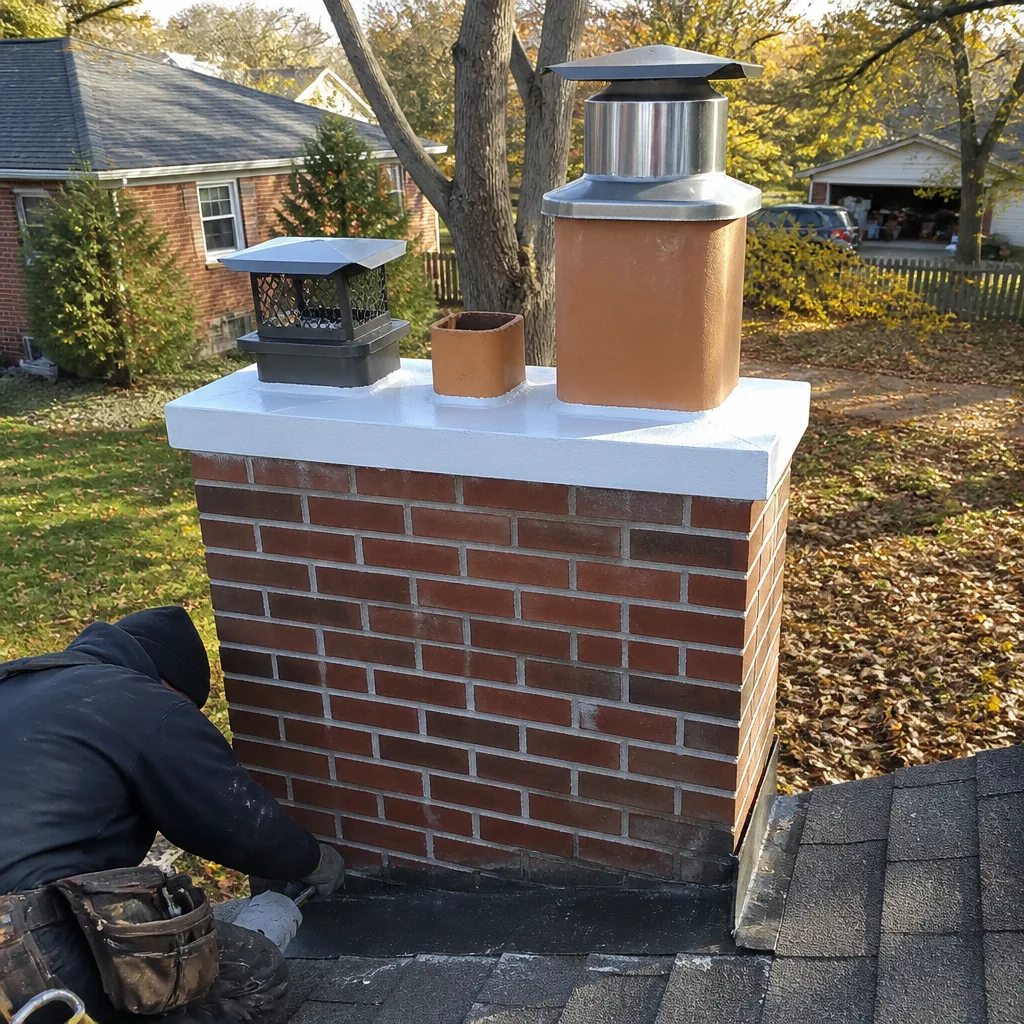 After
After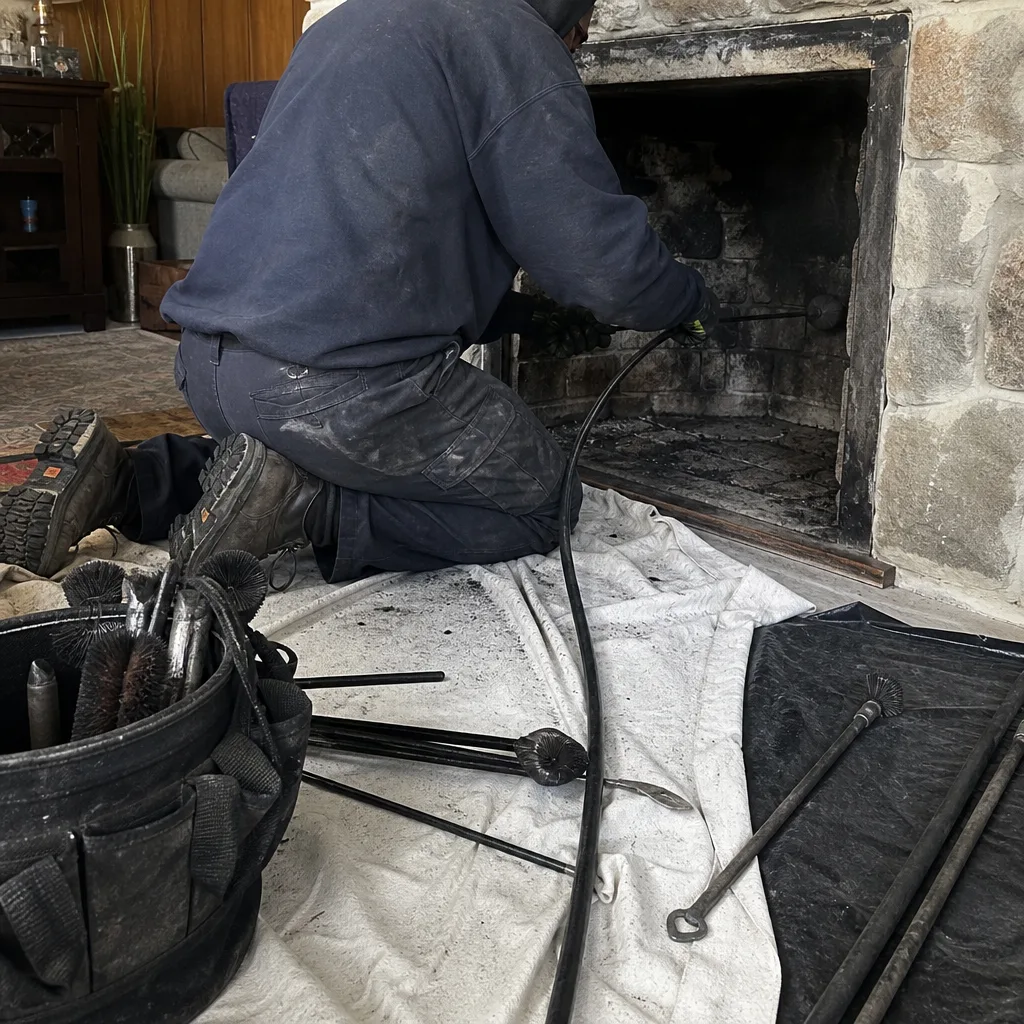 Before
 After
After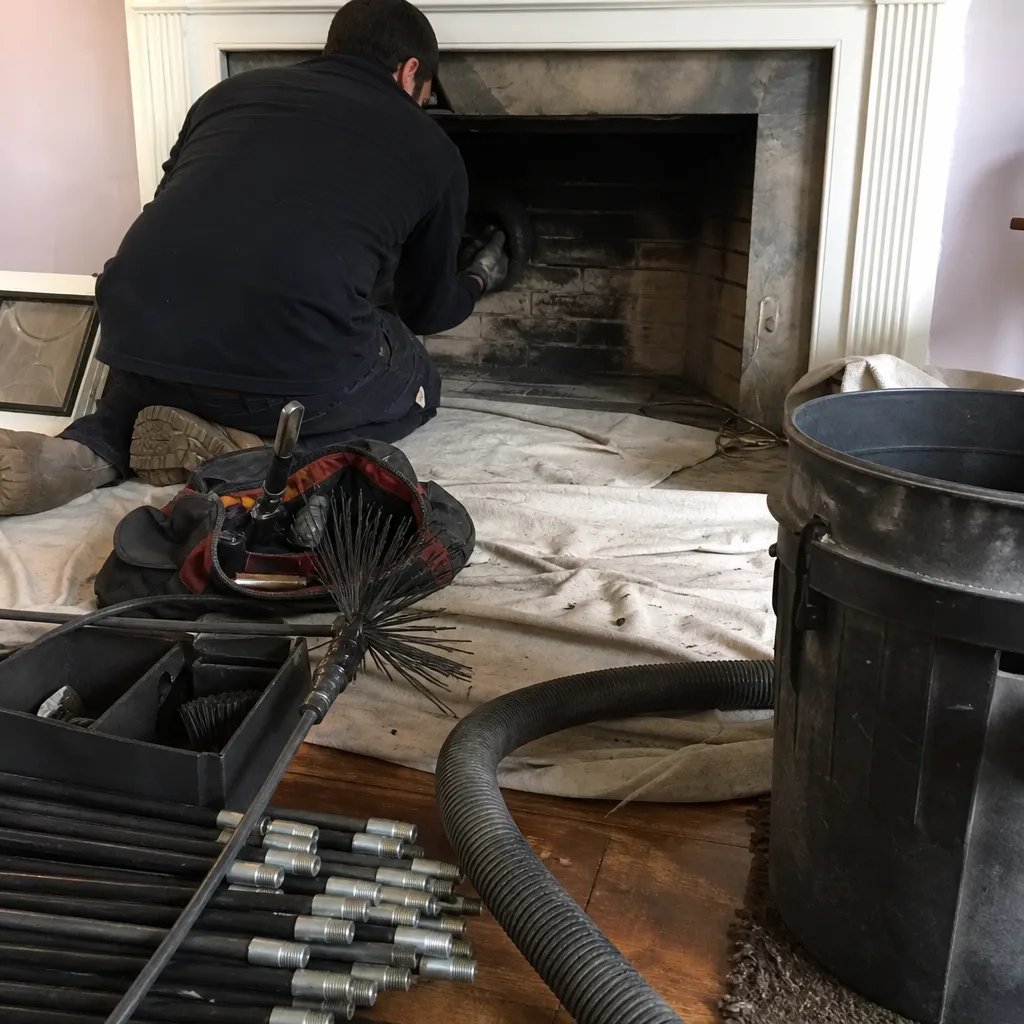 Before
 After
AfterThe Complete Guide to Chimney Cleaning in Wilmington
A standard chimney cleaning takes 45 minutes. A camera scan of the flue liner takes 20 more. The reason most companies skip the scan isn’t time - it’s that the scan sometimes reveals a job they’re not equipped to do.
In Wilmington, where pre-1950 brick homes with clay tile liners dominate neighborhoods from Forty Acres to Hedgeville, that skipped scan can mean the difference between a $200 cleaning and an undiscovered liner breach that turns a routine fire into a house fire. This guide - and our more guides & resources - walk through what chimney cleaning actually involves, why the inspection sequence matters more than the sweep itself, and how to read the documentation that proves the job was done - or flags what wasn’t.
Quick Answer
Chimney cleaning in Wilmington typically costs $180-$320 for a standard sweep with NFPA 211 Level 2 camera inspection included. A properly documented cleaning covers creosote removal from the firebox through the flue, a video scan of the liner condition, and a written report with photos. In Wilmington’s older housing stock, the camera scan is essential because clay tile liners in homes built before 1950 develop vertical cracks that no brush can fix - and no flashlight inspection will catch.
Table of Contents
- What Chimney Cleaning Actually Includes (and What It Doesn’t)
- Why Wilmington Homes Need Different Care Than Newer Construction
- The NFPA 211 Level 2 Inspection Sequence: What Happens in What Order
- What a Camera Scan Actually Reveals: Reading the Footage
- Chimney Cleaning Costs in Wilmington: What’s Included, What’s Extra
- Reading Your Post-Service Report: Complete or Deferred?
- How Often to Schedule Chimney Cleaning in Wilmington
- Common Mistakes to Avoid
- When to Call a Professional
- Frequently Asked Questions
 Before
 After
AfterWhat Chimney Cleaning Actually Includes (and What It Doesn’t)
Chimney cleaning is the mechanical removal of combustible deposits from the firebox, smoke chamber, and flue liner. In our work across Wilmington, we classify what we remove: soot (fine carbon powder), creosote (tar-like condensed smoke), and debris (animal nesting, collapsed liner fragments, masonry particles). Each requires different tools and carries different risk.
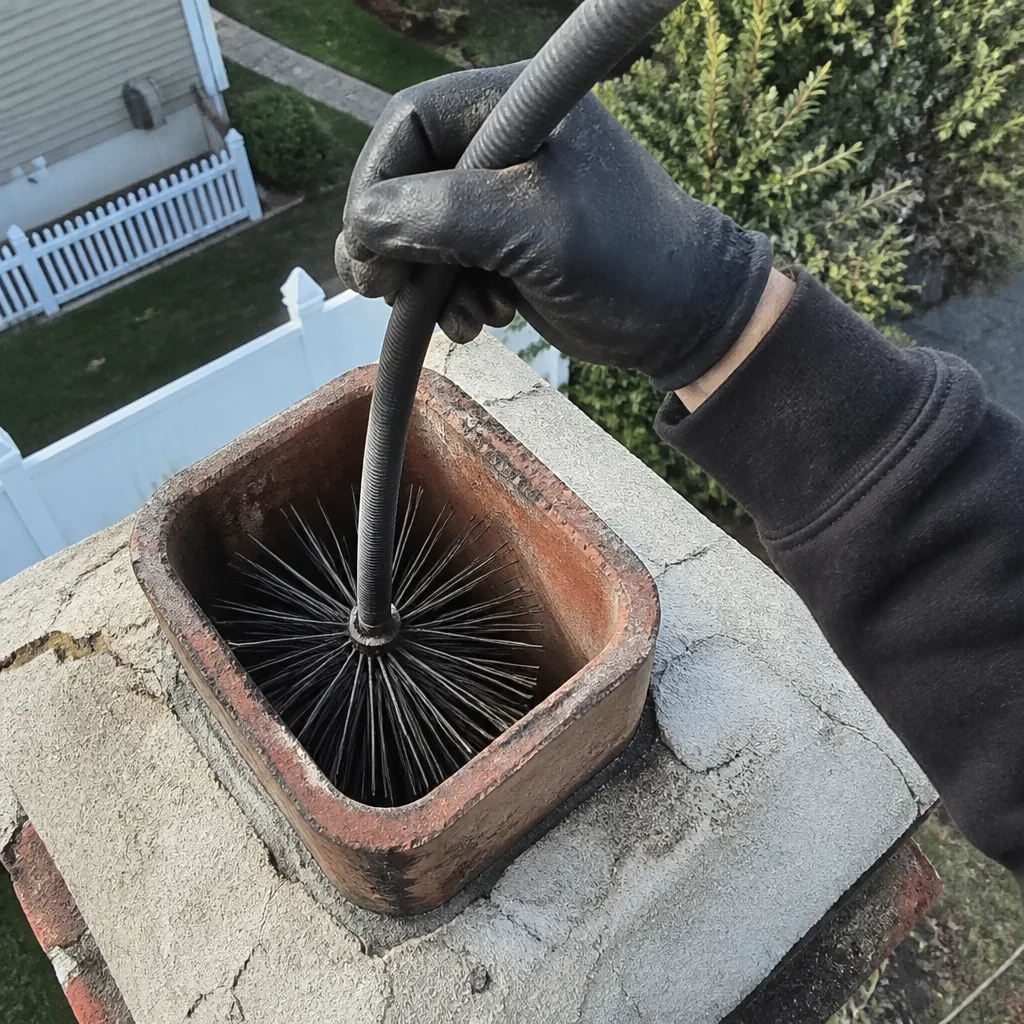
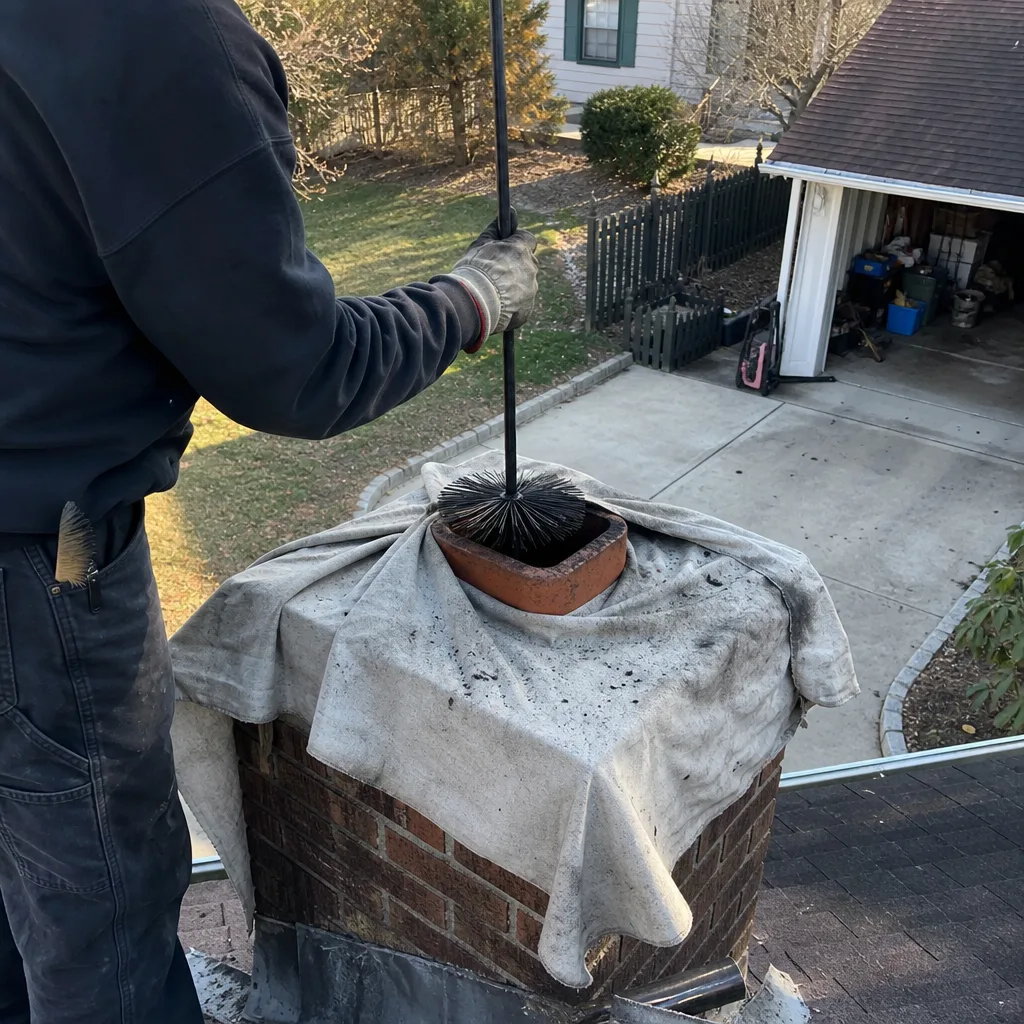
The sweep itself uses rotary brushes, whips, or chains matched to the flue liner material. Clay tile liners - standard in Wilmington homes built 1900-1950 - need softer brushes than stainless steel liners. Too aggressive, and the brush catches a cracked tile and widens the breach. We’ve seen this in the Hilltop neighborhood, where a homeowner’s “budget sweep” dislodged a tile corner that then blocked the flue.
What cleaning does not include:
- Liner repair or replacement. A cracked clay tile liner cannot be swept back to integrity. The cleaning removes deposits; it does not restore structural failure.
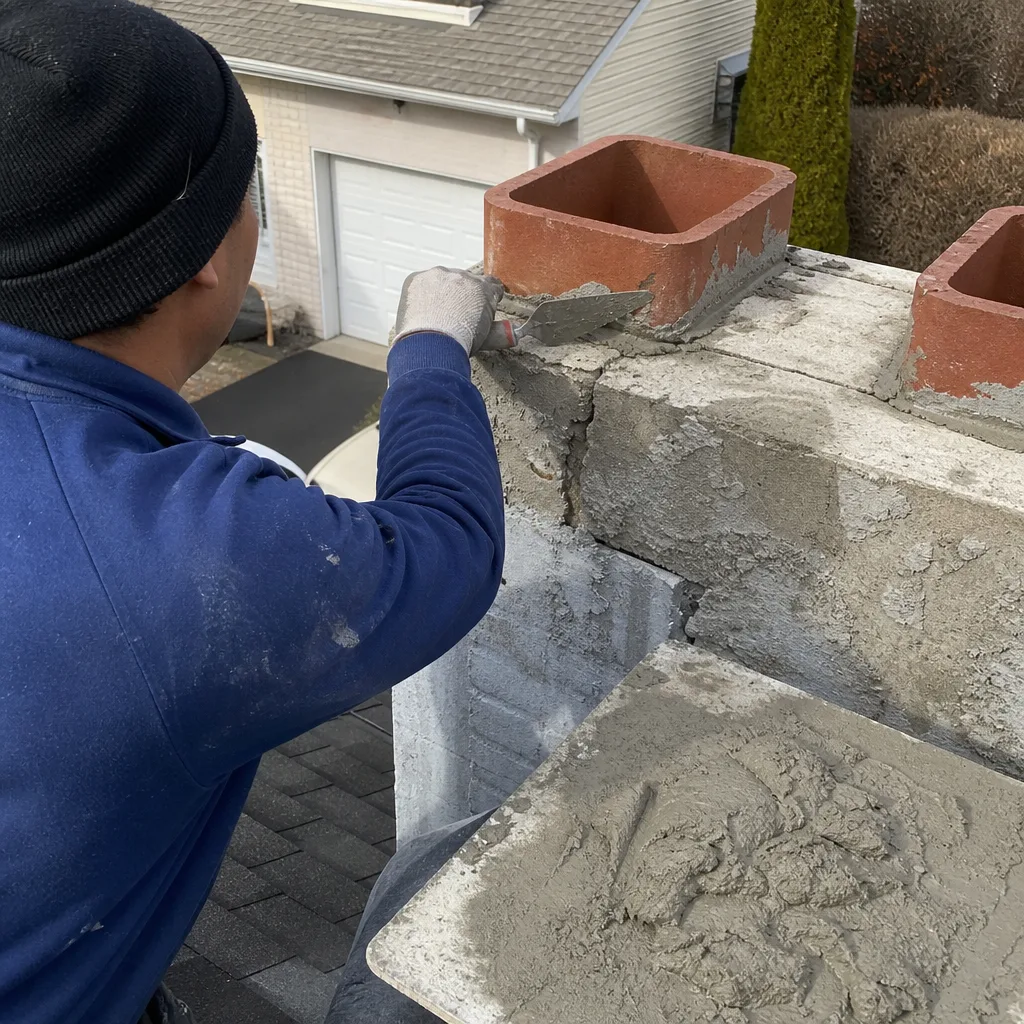
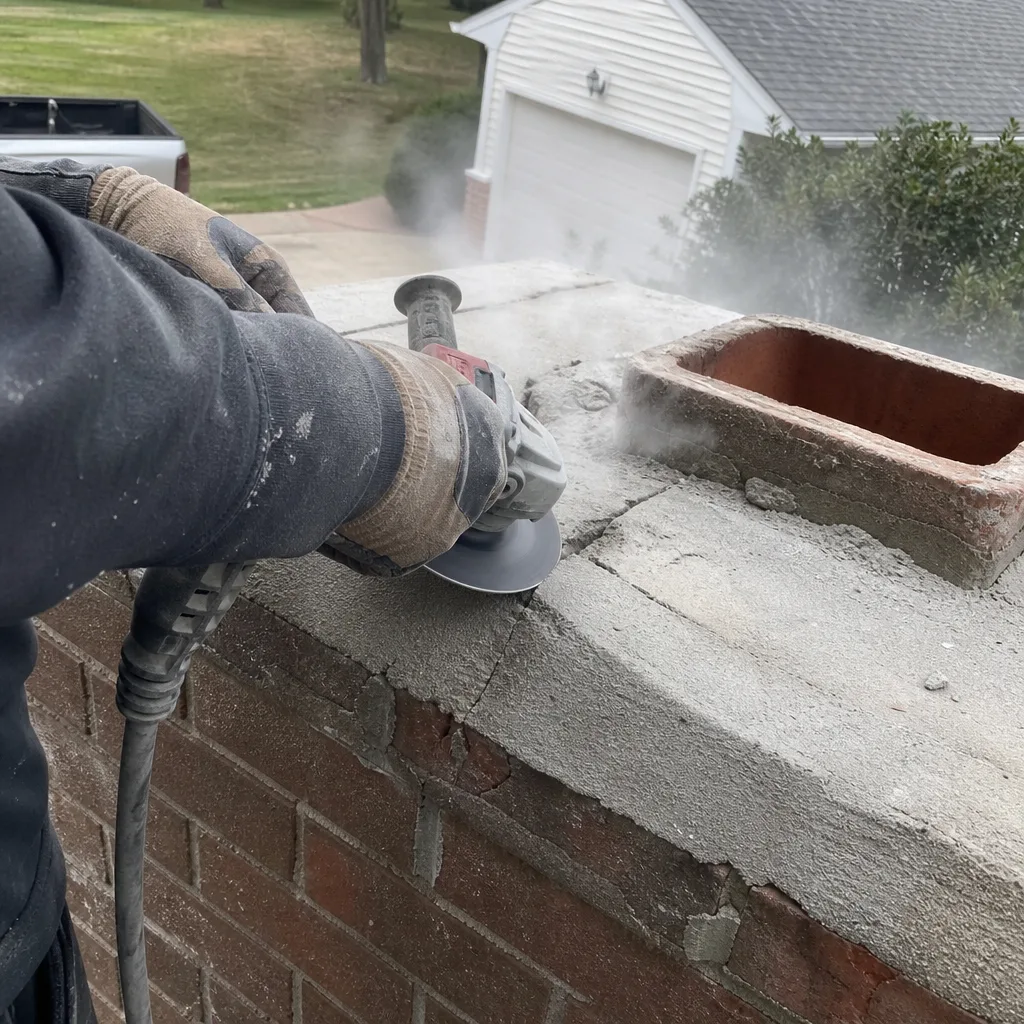
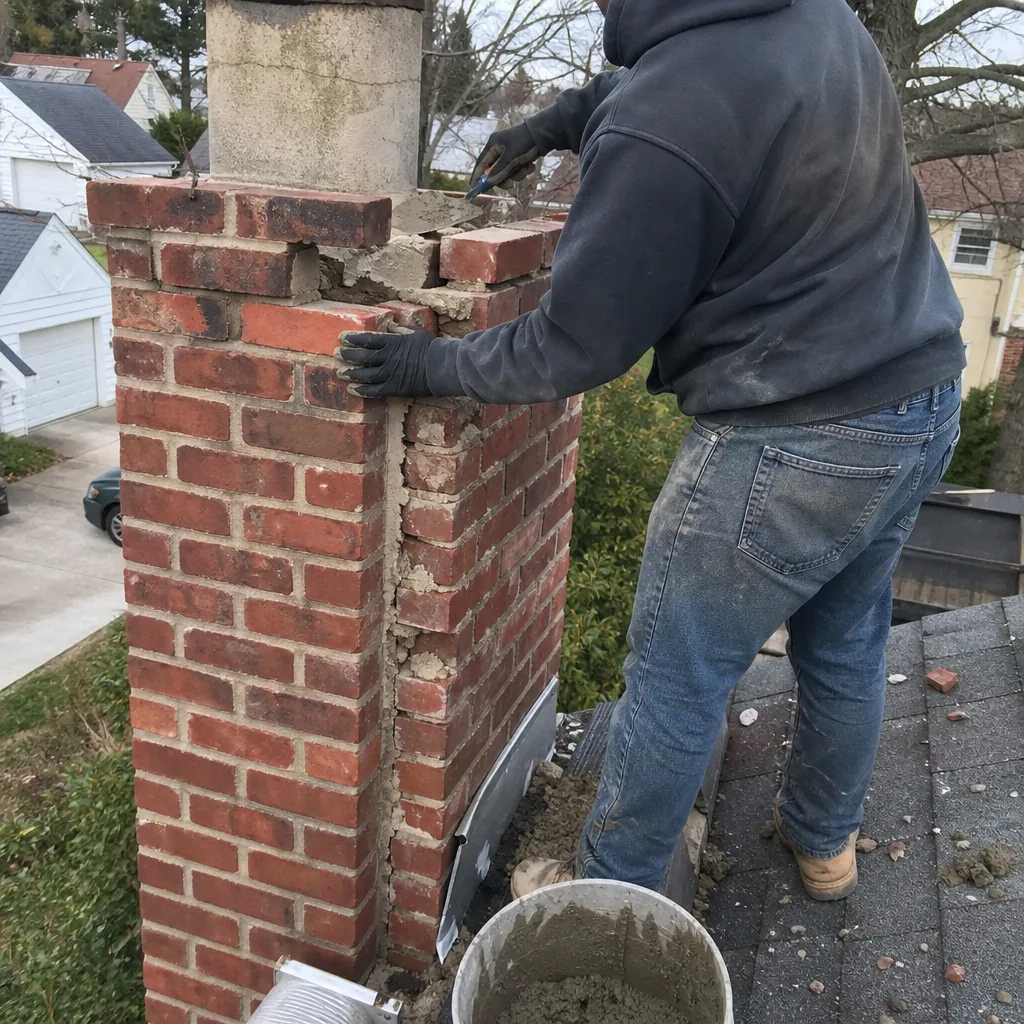
- Crown or masonry repair. Spalling brick, deteriorated mortar joints, or a cracked concrete crown are separate scope items with separate pricing.
- Chimney cap installation. Caps prevent water and animal entry but are not part of a standard sweep.
- Smoke chamber parging. The smoke chamber - the area above the firebox that funnels smoke into the flue - often has corbelled brick with exposed mortar joints. Parging with Chamber-Tech 2000 or similar refractory material is repair work, not cleaning.
A legitimate Wilmington chimney cleaning produces three deliverables: the physical removal of deposits, a camera-documented condition assessment, and a written report with next-step recommendations. Anything less is incomplete by NFPA 211 standards, which Wilmington follows under Delaware’s adopted fire codes.
Why Wilmington Homes Need Different Care Than Newer Construction
Wilmington’s housing stock skews old. In neighborhoods like Forty Acres, Hedgeville, and parts of Trolley Square, homes built 1880-1940 predominate. These were constructed with unlined brick chimneys or clay tile liners, typically 8″x8″ or 8″x12″ flue dimensions, set in lime mortar that degrades differently than modern Portland cement.
The local climate accelerates specific problems. Wilmington sits in a humid subtropical zone with freeze-thaw cycles from November through March. Rainwater enters through crown cracks or deteriorated mortar joints, saturates the brick, and expands when temperatures drop below 32°F. We’ve documented this pattern repeatedly in the Highlands, where south-facing chimney exposures see the most thermal cycling.
Clay tile liners in these older homes develop characteristic failures:
- Vertical cracking at mortar joints - thermal expansion stress concentrates where tiles meet
- Spalling at the flue throat - the narrowing where the smoke chamber meets the flue takes the most acid exposure
- Shifting at the chimney shoulder - foundation settling common in Wilmington’s clay soils tilts liner sections, opening gaps
A cleaning brush passes over these cracks without detecting them. Only a camera scan, performed after the flue is clean (deposits obscure the lens), documents their location and severity. In our 38,000+ inspections since 2009, we’ve found liner breaches in roughly 30% of pre-1950 Wilmington homes that presented for “routine cleaning.” The homeowner expected a sweep; the scan revealed a safety issue requiring repair before the fireplace could be used.
This is why we structure every Wilmington visit as inspection-first, scope-defined, price-written, then work-performed. Reversing that sequence - quoting a cleaning, discovering a liner issue, then upselling - is how trust breaks down.
The NFPA 211 Level 2 Inspection Sequence: What Happens in What Order
NFPA 211 is the National Fire Protection Association standard for chimneys, fireplaces, vents, and solid fuel-burning appliances. Delaware has adopted this standard by reference in fire prevention codes. A Level 2 inspection is required at property sale, after chimney fire or operational malfunction, or when changing appliance type - but we perform it on every visit because it’s the only level that includes internal camera inspection.
The sequence matters. Here’s how we execute it in Wilmington homes:
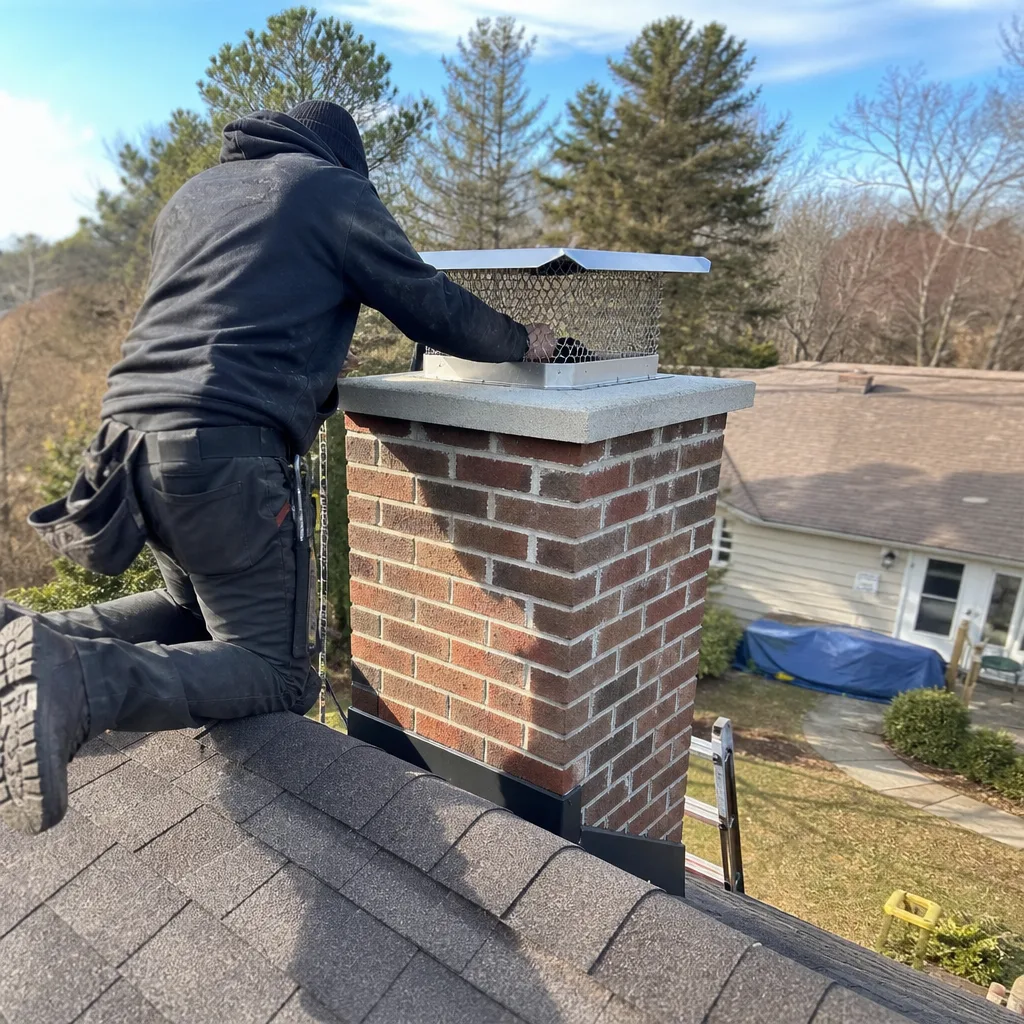
- Exterior assessment. We photograph the crown, cap, flashing, and visible brickwork from roof level or ladder. In Wilmington’s dense neighborhoods with narrow lot lines, this sometimes requires pole cameras or drone documentation when roof access is unsafe.
- Interior firebox inspection. We check firebrick condition, damper operation, and smoke chamber access. We note the hearth extension dimensions against code requirements.
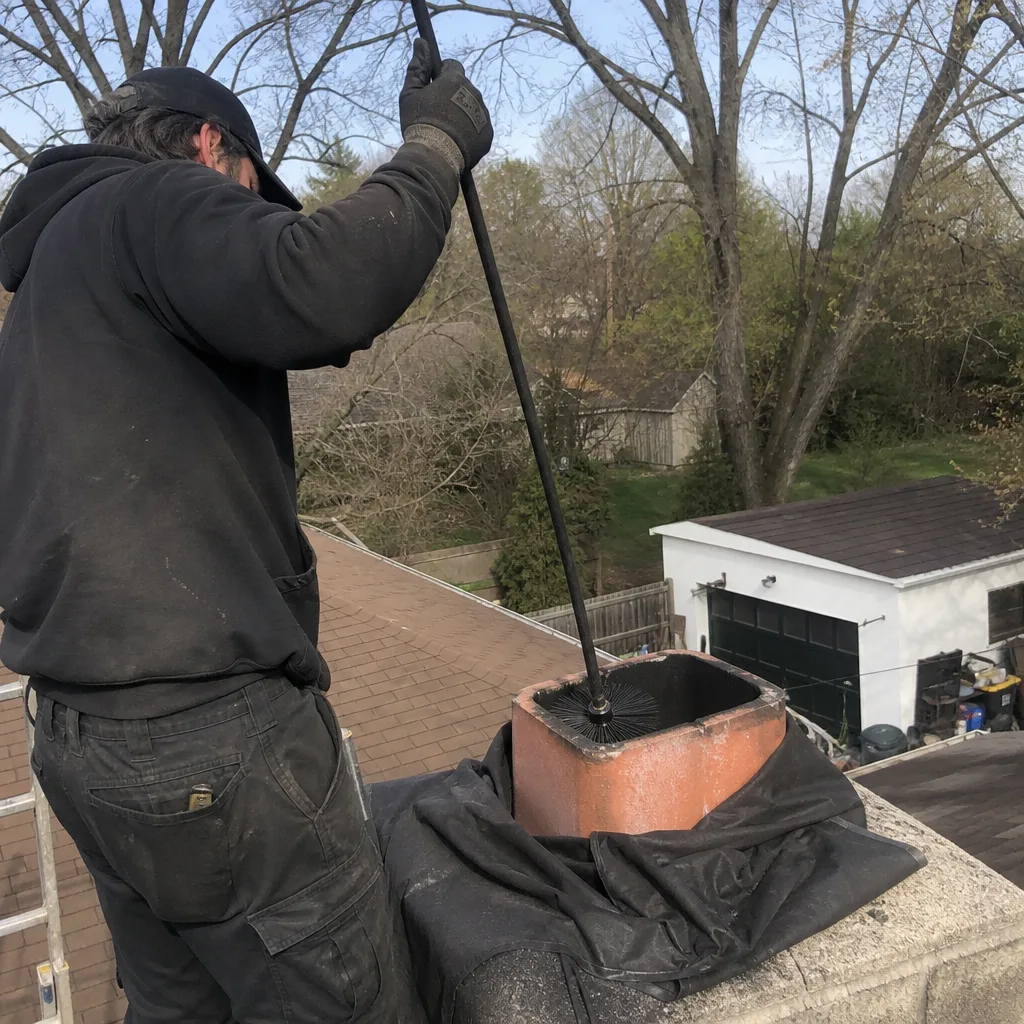
- Flue cleaning. Rotary tools remove deposits. We collect samples to classify creosote stage (see next section).
- Camera scan. A high-resolution, self-leveling camera travels the full flue length. We record continuous footage and capture still images at every joint, offset, and suspected defect.
- Draft and clearance verification. We confirm adequate combustion air supply and check clearances to combustibles where accessible.
- Documentation and pricing. We review footage with the homeowner, explain findings, and provide a written scope with fixed price before any repair work begins.
The critical point: cleaning happens before the camera scan. A dirty flue hides defects. A camera scan without prior cleaning is incomplete and potentially misleading. Some Wilmington competitors offer “inspection specials” that skip cleaning to keep the price low, then discover “unexpected” issues that require return visits. We don’t do that. Clause 4 of the Level Two Chimney Wilmington home Haven Standard requires a photo record on every job, and that record requires a clean flue to be meaningful.
The written price document - Clause 1 of the Haven Standard, “Have it in writing” - specifies exactly what work is included, what materials will be used (DuraFlex for stainless liners, HeatShield for certain crown repairs, etc.), and what warranty applies. No work begins until the homeowner has this document. We’ve maintained this practice since 2009 across all 38,000+ jobs.
What a Camera Scan Actually Reveals: Reading the Footage
Homeowners rarely see their flue liner. It’s a 15-25 foot vertical shaft, typically 6-12 inches square, dark even in daylight. The camera transforms this hidden space into inspectable footage. Here’s what we look for and what it means for your Wilmington home.
Creosote Stage Classification
Creosote forms in three stages, and the stage determines cleaning method and fire risk:
- Stage I: Soot and fine ash. Removed with standard brushes. Indicates regular use with dry, seasoned hardwood.
- Stage II: Crunchy, honeycomb flakes. Requires more aggressive rotary chains or whips. Indicates cooler fires, unseasoned wood, or restricted air supply.
- Stage III: Glazed, tar-like coating, often described as “black glass.” Cannot be removed by brushing alone. Requires chemical treatment (anti-creo-sote or similar) followed by mechanical removal, or in severe cases, liner replacement. Stage III creosote ignites at approximately 451°F and burns at 2,000°F+ - far exceeding clay tile liner ratings.
In Wilmington, we see Stage III most often in homes where homeowners burn scrap construction lumber (common in renovation-heavy neighborhoods like Cool Spring) or where fireplace inserts were installed without proper liner resizing, creating chronically low flue temperatures.
Liner Breach Location and Type
The camera reveals cracks, gaps, and missing tiles with precise location (measured from the firebox or chimney top). We document:
- Hairline cracks: May be monitored annually if the liner is otherwise sound and the appliance is gas. Must be repaired for wood-burning.
- Open mortar joints: Gaps between tile sections allowing flue gases to enter the chimney structure. Always require repair.
- Missing tile segments: Exposed brick or mortar that can be directly impinged by flue gases. Immediate repair required.
- Displacement: Tiles shifted from original position, often from foundation movement or freeze-thaw damage. Common in Wilmington’s clay-heavy soils.
Draft Obstruction
The camera identifies blockages that reduce or prevent proper venting: collapsed liner fragments, bird or squirrel nests (common in uncapped chimneys near Wilmington’s Brandywine Park corridor), and construction debris from prior roof work. Partial obstruction causes smoke backup; complete obstruction can force carbon monoxide into living spaces.
We show homeowners the footage in real time, explain what we’re seeing, and mark still images on the written report. This documentation becomes part of the home’s maintenance record and may be required by insurers after a fire. Clause 4 of the Haven Standard archives these records for customer access.
Chimney Cleaning Costs in Wilmington: What’s Included, What’s Extra
We publish pricing because “call for a quote” wastes time and invites bait-and-switch. Here’s what chimney cleaning costs in Wilmington’s market and what the price should include.
| Service | Price Range | What’s Included |
|---|---|---|
| Standard chimney sweep with Level 2 inspection | $180-$320 | Firebox through flue cleaning, camera scan, written report with photos, 365-Day Done Right Promise |
| Stage III creosote removal (chemical + mechanical) | $400-$650 | Anti-creo-sote treatment, 24-48 hour dwell, rotary removal, re-scan to confirm |
| Gas appliance flue cleaning with inspection | $150-$250 | Lower deposit volume but same inspection protocol; corrosion assessment added |
| Smoke chamber parging (if needed) | $800-$1,400 | Chamber-Tech 2000 application, cure time, inspection |
| Stainless steel liner installation (if needed) | $2,800-$4,500 | DuraFlex or equivalent, insulation, top plate, cap, permit, inspection |
These ranges reflect Wilmington’s market conditions: older homes requiring more careful handling, higher labor costs in Delaware’s licensed contractor environment, and the inclusion of camera documentation as standard rather than upsell. Competitors advertising $99 sweeps typically exclude the camera scan, provide no written report, or use the low price to gain entry for aggressive upselling - which is why our How to Hire a Chimney Cleaning Contractor in Wilmington: A Step-by-Step Guide emphasizes verifying documentation standards before booking.
What the written price document must contain (per Haven Standard Clause 1):
- Specific scope of work, itemized
- Materials specified by brand or grade (DuraFlex, HeatShield, etc.)
- Fixed total, not “estimate subject to change”
- Warranty terms (our 365-Day Done Right Promise)
- Technician name and license information
Absence of any of these elements signals a contractor who plans to renegotiate once inside your home. We’ve reviewed competitor quotes brought in for our Free Second Opinion service that listed only “sweep and inspect - $199” with no definition of either term.
Reading Your Post-Service Report: Complete or Deferred?
The documentation you receive after chimney cleaning tells you whether the job is finished or whether work was left undone. Many Wilmington homeowners file the report without understanding what it communicates. Here’s how to read it.
A complete report contains:
- Pre-service condition photos. Firebox, damper, and flue before cleaning. These establish baseline and prove deposits existed.
- Post-cleaning photos. Same angles, showing deposit removal. If the flue was scanned, still images from the camera footage at regular intervals (typically every 5 feet or at each joint).
- Creosote classification. Stage I, II, or III, with location notes.
- Liner condition assessment. Intact, monitored, or repair required - with specific defect locations.
- Written recommendations. Immediate, near-term, and long-term, with associated pricing if you elected to receive it.
- Service technician identification. Name, license number, date of service.
Red flags in a post-service report:
- No photos, or only exterior photos. The flue interior is where most defects hide.
- Vague language: “flue looks good” without image evidence. “Looks good” is not a diagnostic conclusion.
- Recommendations without pricing, or pricing given verbally only. This defeats the purpose of written documentation.
- “Deferred” or “monitor” items with no re-inspection interval specified. If a crack needs monitoring, the report should state when.
In Wilmington’s insurance environment, documentation quality matters. After a chimney fire, adjusters request service records. A report with dated photos and written findings supports your claim. A receipt saying “chimney cleaned - $200” does not. We’ve assisted homeowners in the Union Park Gardens area whose insurers denied claims because prior “cleanings” produced no documentation of liner condition.
Our reports are archived under Clause 4 of the Haven Standard and available to customers on request. This practice, continuous since 2009, became the model for Haven Standard documentation requirements.
How Often to Schedule Chimney Cleaning in Wilmington
Frequency depends on use, fuel, and appliance type. NFPA 211 recommends annual inspection for all chimneys, with cleaning as needed based on deposit accumulation. In practice, Wilmington’s patterns break down as follows:
- Wood-burning fireplace, regular use (3+ times weekly October-March): Sweep annually, typically in late summer before the burning season. Clay tile liners in pre-1950 homes may need mid-season inspection if Stage II creosote accumulates rapidly.
- Wood-burning, occasional use (holiday fires, weekends): Inspect annually, sweep every 2-3 years or when 1/8″ creosote buildup is detected.
- Gas fireplace or insert: Inspect annually for corrosion, debris, or animal intrusion. Clean as needed; gas produces minimal deposits but moisture can degrade liners.
- Pellet stove: Clean venting system per manufacturer schedule, typically annually. Pellet ash is corrosive and can clog exhaust paths.
Wilmington’s specific factors: The city’s mature tree canopy (heavy in neighborhoods like Rockford Park and Brandywine Village) produces more leaf debris and squirrel activity than newer suburban developments. Uncapped chimneys require more frequent inspection. Additionally, the humidity accelerates metal component corrosion - damper rust, fire grate deterioration - that annual inspection catches before failure, as covered in our Seasonal Chimney Cleaning Care for Wilmington: Year-Round Homeowner’s Guide.
We recommend scheduling before October 1st. Our live phone support runs 24/7, but technician availability tightens as temperatures drop. A Chimney Cleaning & Sweep in Wilmington scheduled in August or September avoids the October rush and gives time to complete any repairs before first use.
Common Mistakes to Avoid
- Hiring based on lowest price without verifying what’s included. A $99 sweep that excludes camera inspection and written report may cost far more when undetected liner damage leads to a fire or failed insurance claim.
- Assuming a clean flue means a sound flue. Brushes remove deposits; they do not repair cracks. The camera scan confirms structural integrity separately from cleanliness.
- Using the fireplace after a cleaning that revealed deferred repairs. If your report identified a liner breach or other defect marked “repair recommended,” using the fireplace risks fire or CO exposure until the repair is completed.
- Ignoring Wilmington’s specific aging housing stock. Maintenance schedules designed for 1990s construction don’t apply to 1920s clay tile liners. Older homes need more conservative inspection intervals.
- Accepting verbal estimates for repair work. Without written scope and price, you have no recourse if the final bill exceeds expectations. Haven Standard Clause 1 exists specifically to prevent this.
- Skipping inspection after a chimney fire, even a “small” one. Even minor fires can crack liners or damage mortar. NFPA 211 requires Level 2 inspection after any fire event.
- DIY cleaning without understanding flue liner condition. Homeowner brush kits are available, but brushing a cracked clay tile liner can worsen the breach or lodge a tile fragment in the flue. We recommend professional assessment first.
When to Call a Professional
Call for inspection before the burning season if you haven’t had service in 12+ months, if you’ve purchased a Wilmington home and have no records of prior service, or if you notice smoke backup, unusual odors, or visible exterior damage. After any chimney fire, operational malfunction, or change in appliance type, NFPA 211 mandates Level 2 inspection.
More specifically: call if your damper sticks, if you see white efflorescence staining exterior brick (indicating water intrusion common in Wilmington’s freeze-thaw climate), or if your fire burns poorly despite dry wood and open damper. These symptoms point to draft problems, liner obstruction, or combustion air deficiency that cleaning alone won’t resolve.
Level Two Chimney Wilmington offers free estimates in Wilmington - call (610) 546-5053. Every estimate includes the same inspection protocol we perform on paid visits: camera scan, written findings, and written price before any work commitment. Our Chimney Repair in Wilmington and Fireplace Services in Wilmington extend from cleaning through full rebuild, always with the same documentation standards.
Frequently Asked Questions
A standard chimney sweep with NFPA 211 Level 2 camera inspection in Wilmington costs $180-$320. This includes firebox-to-flue cleaning, video scan, written report with photos, and our 365-Day Done Right Promise. Stage III creosote or heavy debris accumulation may increase the price to $400-$650. Call (610) 546-5053 for an exact quote - estimates are free.
If the liner is cracked, missing tiles, or displaced, cleaning will not restore safety. Flue gases, including carbon monoxide, can escape through breaches into the chimney structure and living spaces. We show you the camera footage and explain whether the defect requires immediate repair, can be monitored, or is limited enough for localized patching. Nothing is recommended without photo evidence you can see yourself. Call (610) 546-5053 for a free second opinion on any written estimate.
Wood-burning fireplaces used regularly need annual sweeping before the October-March burning season. Occasional-use fireplaces can often go 2-3 years between sweeps if annual inspection shows minimal buildup. Gas appliances need annual inspection but less frequent cleaning. Wilmington’s older clay tile liners and humid climate make conservative scheduling wise - when in doubt, inspect. Call (610) 546-5053 to schedule.
Skipped cleaning allows creosote accumulation, which restricts draft and increases fire risk. Stage III creosote ignites at 451°F - easily reached in normal operation - and burns above 2,000°F, exceeding clay tile liner ratings. In Wilmington’s pre-1950 housing stock, deferred maintenance also means undetected liner deterioration from freeze-thaw cycling and acid exposure. The result can be chimney fire, carbon monoxide intrusion, or insurance claim denial due to lack of maintenance records. Call (610) 546-5053 for an inspection to assess your current condition.
Level 1 is a visual inspection of accessible portions - what you can see without tools or disassembly. Level 2 adds camera scan of the flue interior, attic and crawl space access for clearance verification, and inspection of appliance connections. Level 2 is required at property sale, after fire or malfunction, or when changing appliance type. We perform Level 2 on every visit because it’s the only level that detects the liner cracks common in Wilmington’s older homes. The Chimney Cleaning & Sweep in Wilmington page details our full protocol.
Homeowner brush kits can remove accessible soot and light creosote from the firebox and lower flue. However, without camera inspection, you cannot assess liner condition, and aggressive brushing of a cracked clay tile liner can worsen damage or lodge fragments in the flue. For Wilmington’s pre-1950 homes, professional assessment is the safer starting point. We recommend scheduling inspection first; if the liner is sound and deposits are light, we’ll tell you honestly whether DIY maintenance is appropriate between professional visits. Call (610) 546-5053 to discuss your specific situation.
The Bottom Line
Chimney cleaning in Wilmington is not a commodity service. The sweep matters less than the inspection that precedes and follows it, because Wilmington’s aging housing stock conceals liner defects that no brush will reveal. A legitimate service follows NFPA 211 Level 2 protocol: clean, then camera scan, then document, then price any repairs in writing. Anything less leaves you with a clean flue and potentially undiscovered structural failure.
We’ve completed more than 38,000 chimney inspections and cleanings since 2009, every one with a written price before work started and a documented photo record when finished. Our materials come from DuraFlex, HeatShield, Gelco, Olympia Chimney, Famco, and Copperfield - sourced through Haven’s buying network to keep customer prices honest. The 365-Day Done Right Promise applies to every job.
Call (610) 546-5053 for a free estimate. A live person answers 24/7. We’ll schedule your inspection, perform the camera scan, and show you exactly what your flue contains - no obligation, no surprise pricing, no work until you’ve seen the footage and approved the written scope.
Written by Corrine Halstead, Owner at Level Two Chimney Wilmington, serving Wilmington since 2009.