
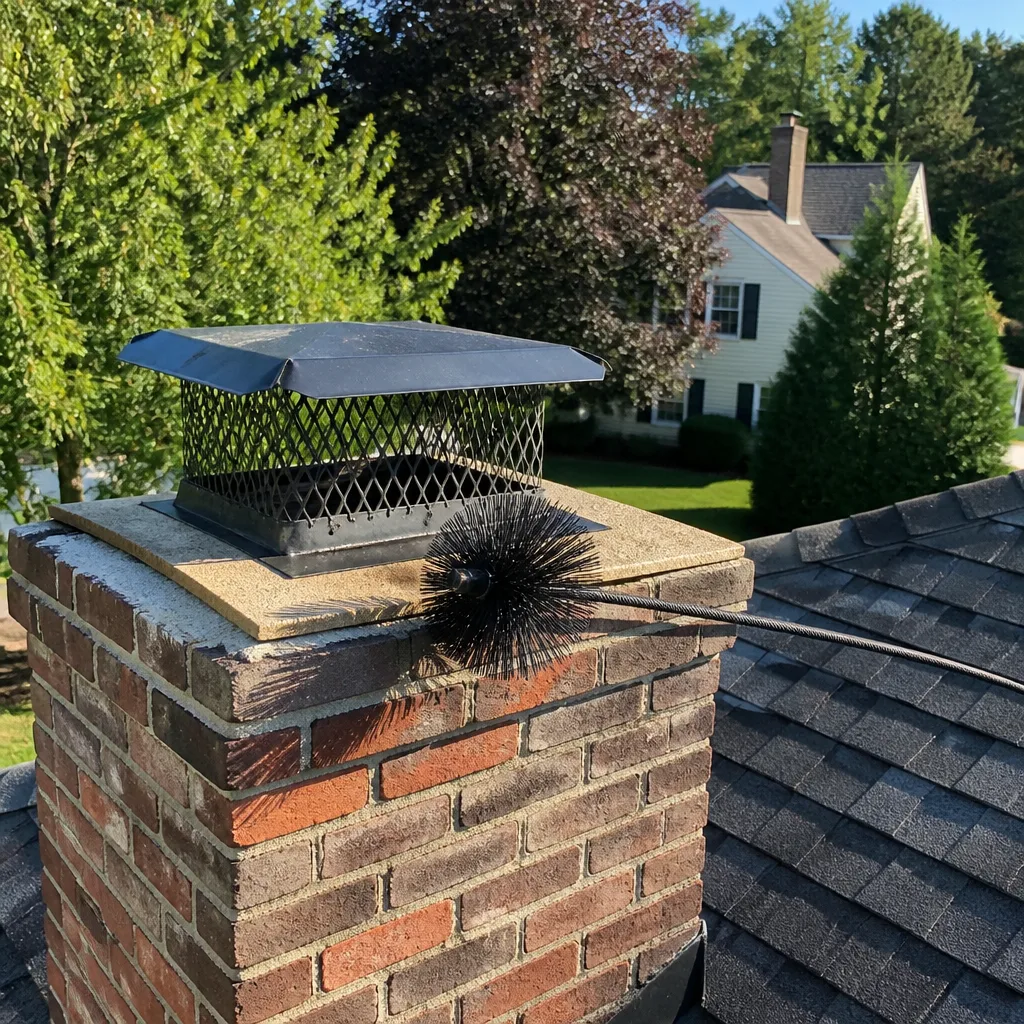
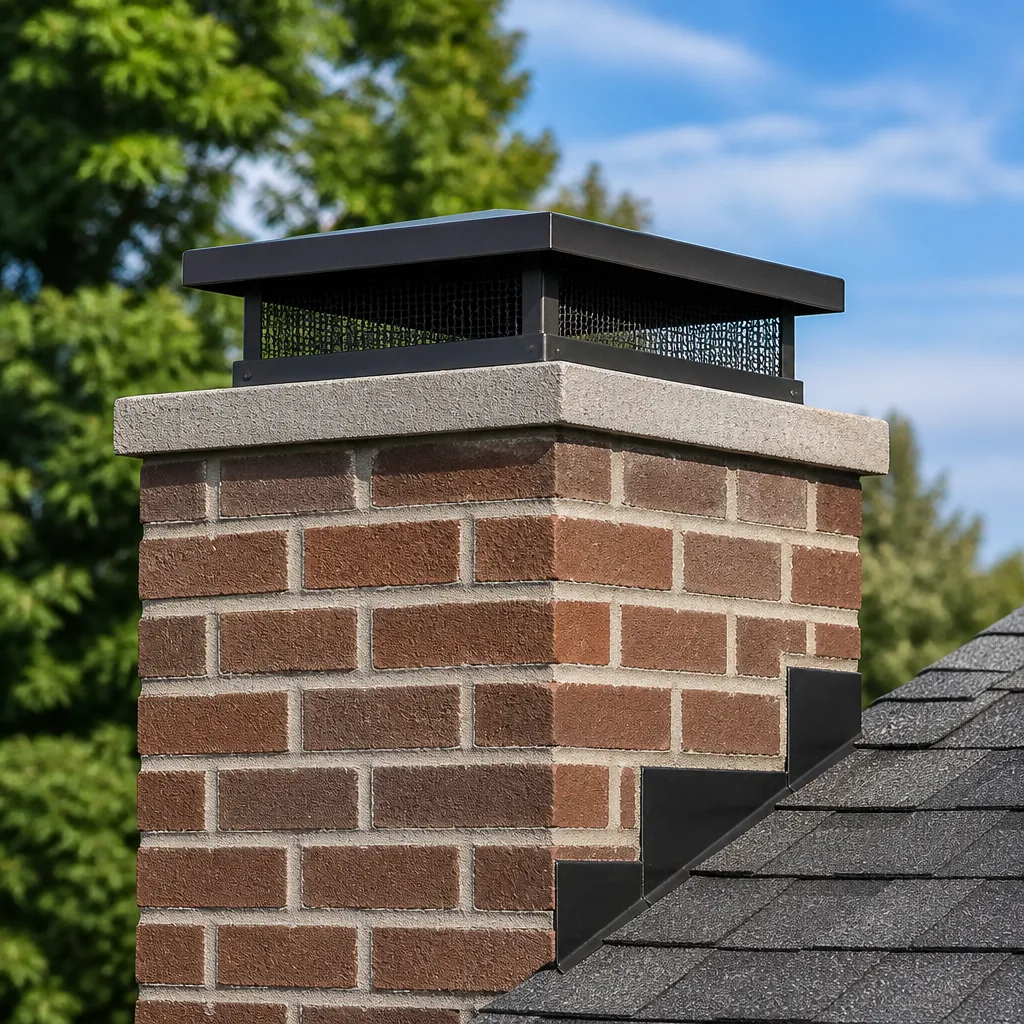
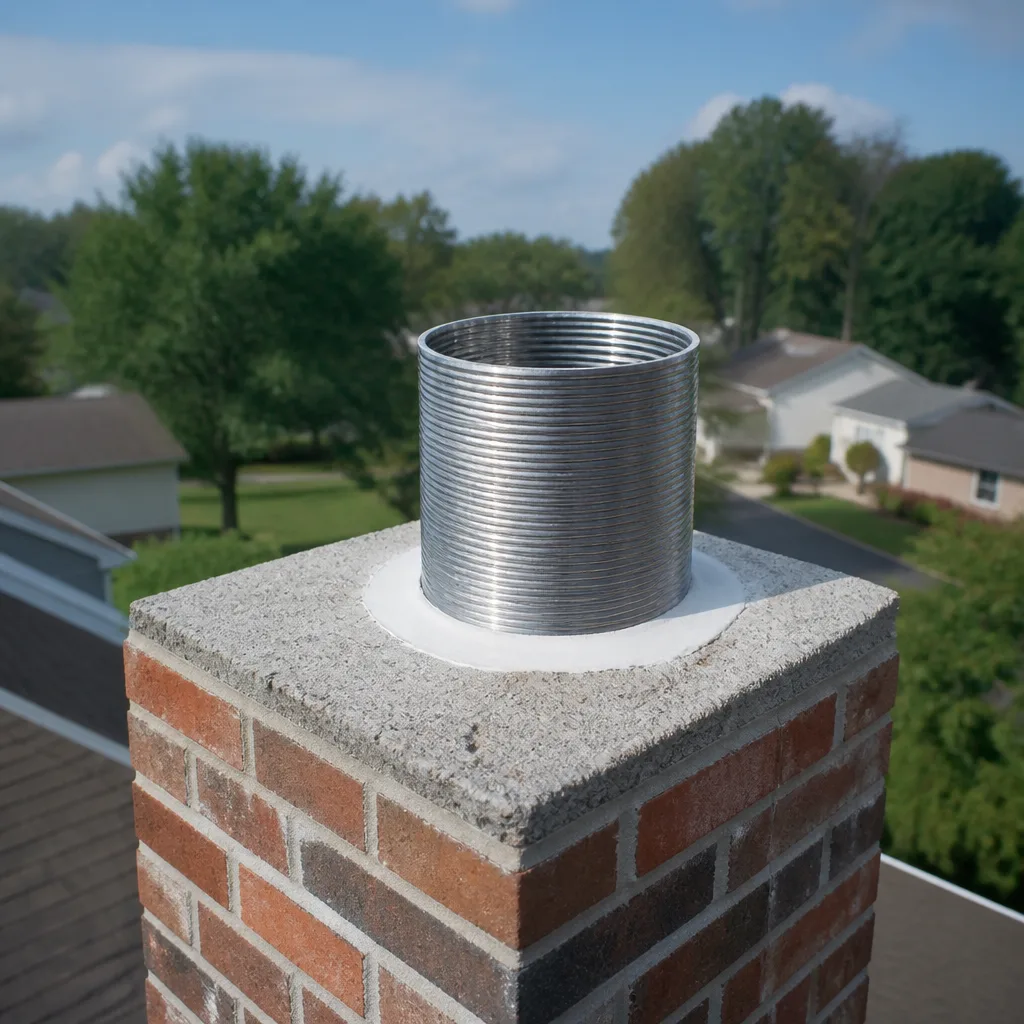
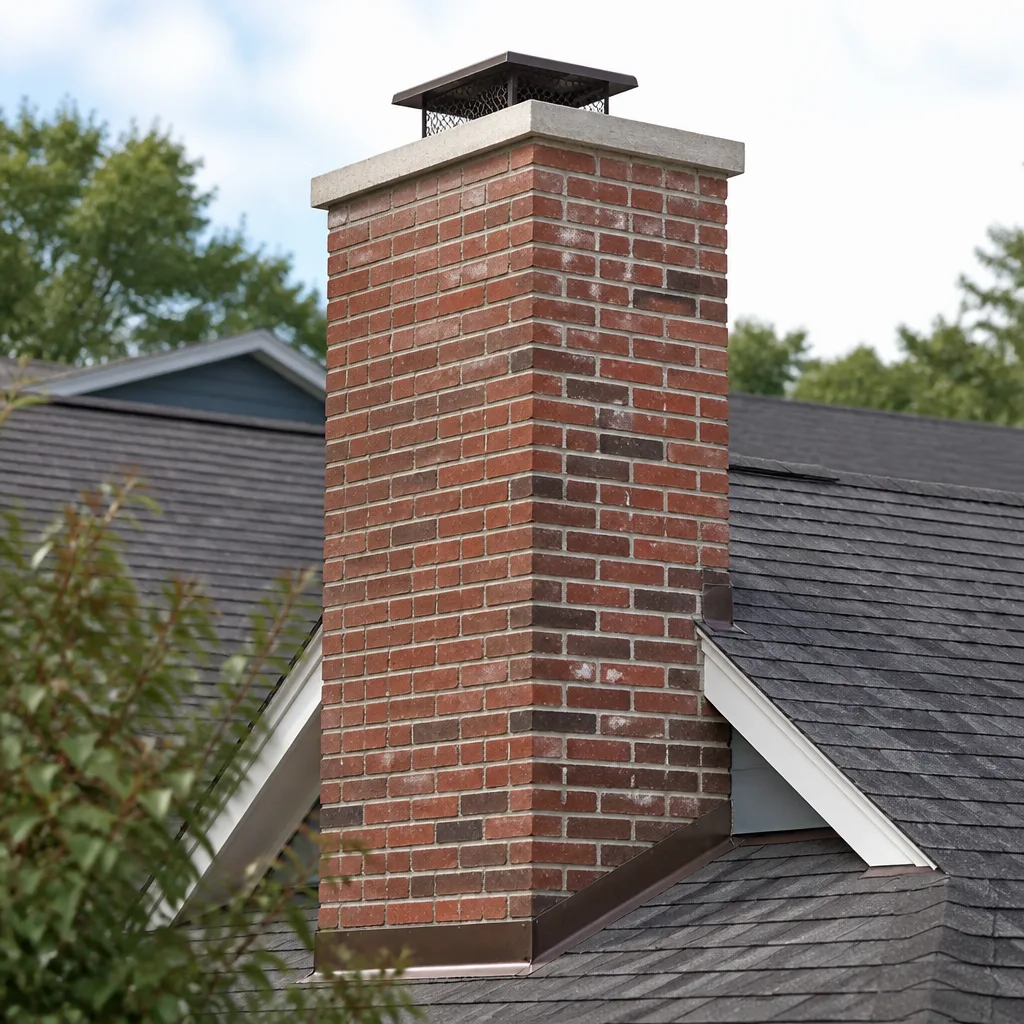
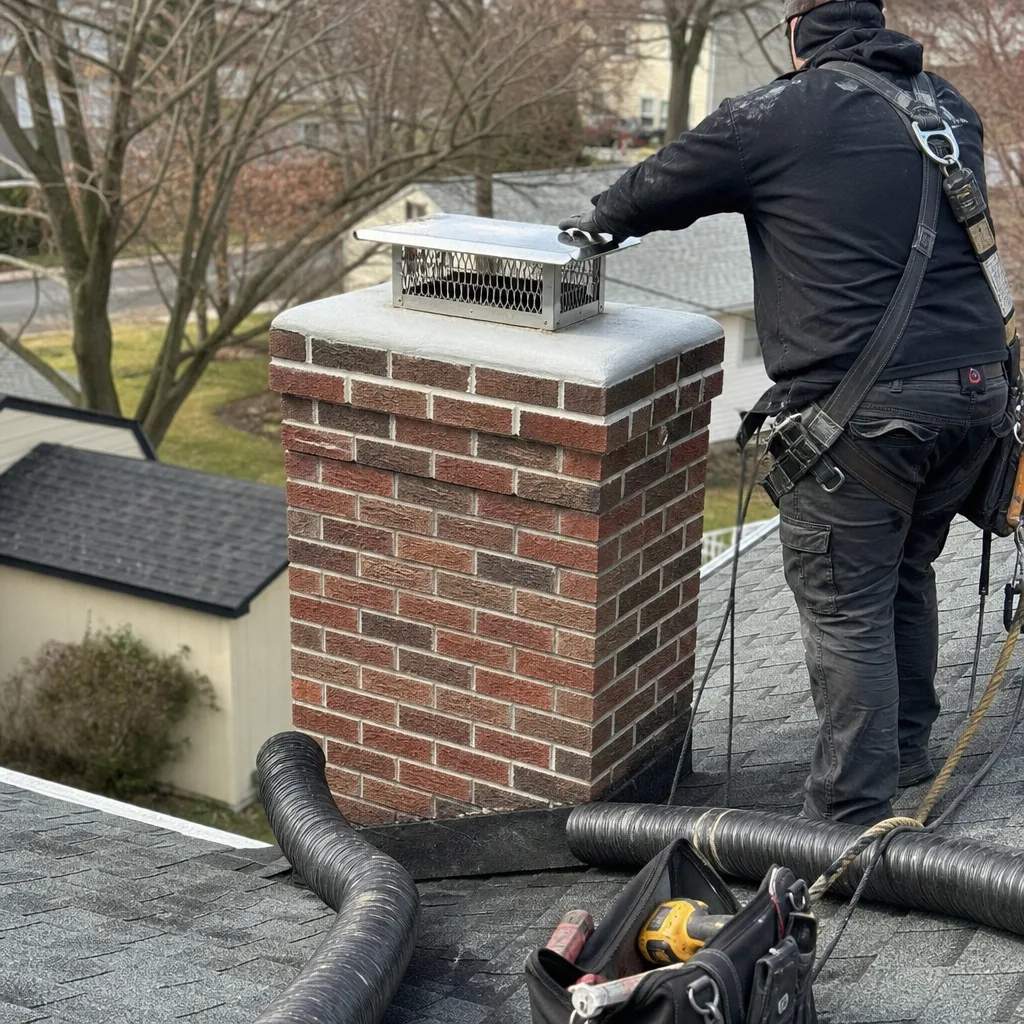
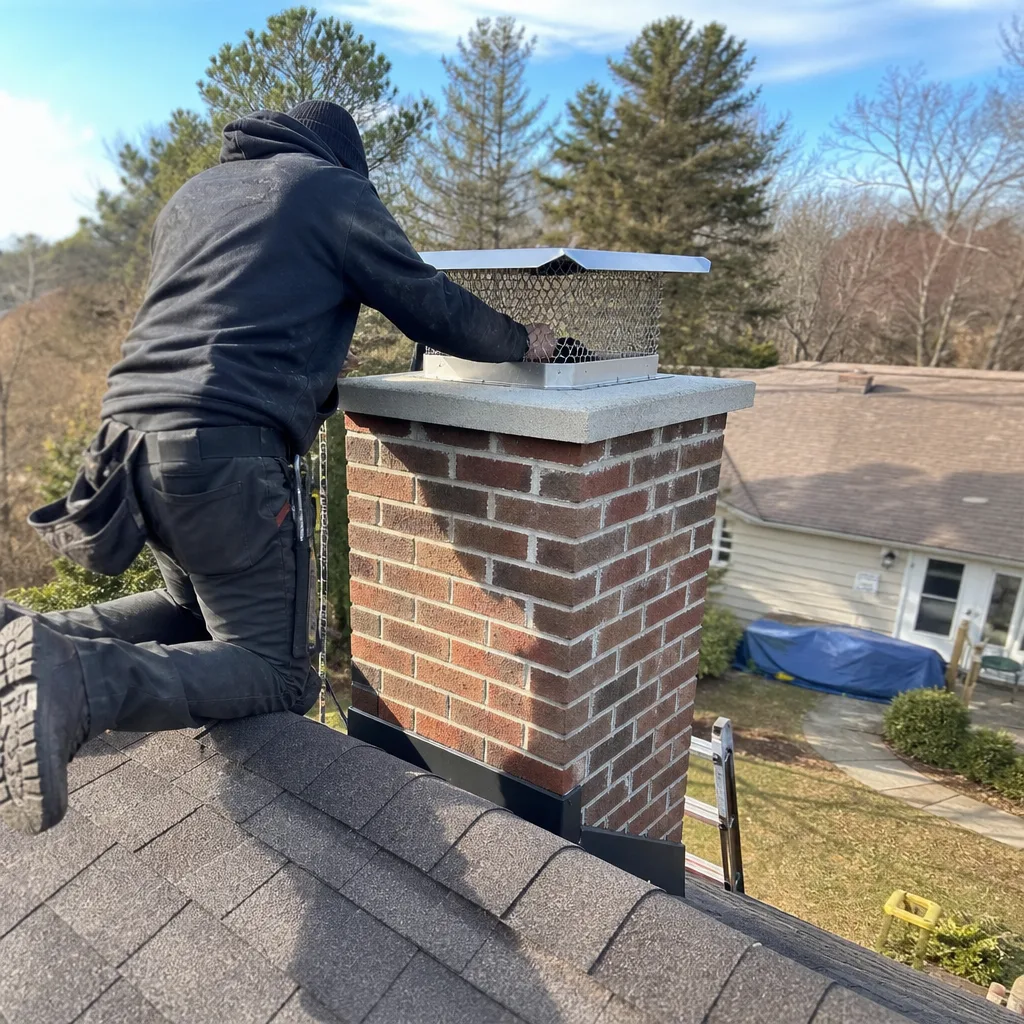
Level 1 sweep and inspection to the NFPA 211 annual standard - flue, crown, cap, and flashing checked and photographed
Chimney sweep logs do not sweep chimneys. They loosen some creosote - which then falls where a brush and vacuum still have to collect it.
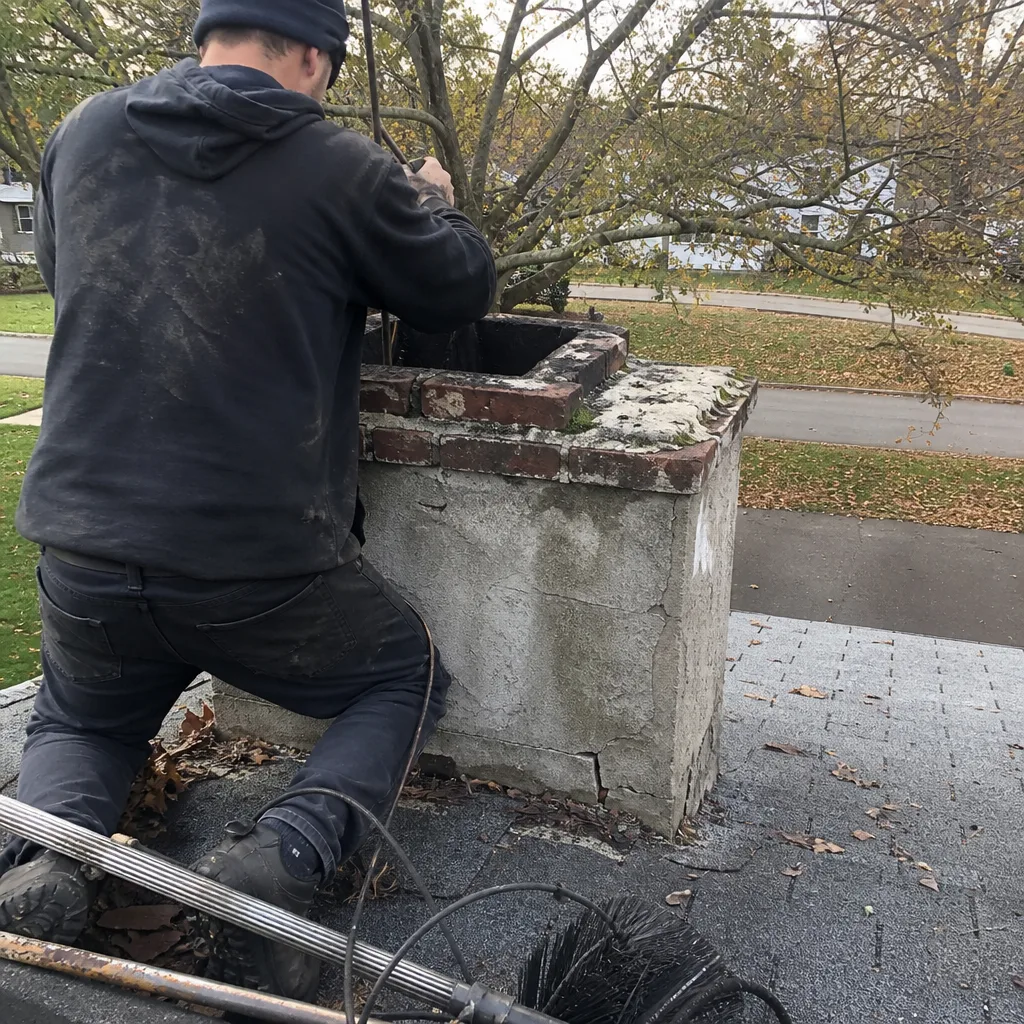 Before
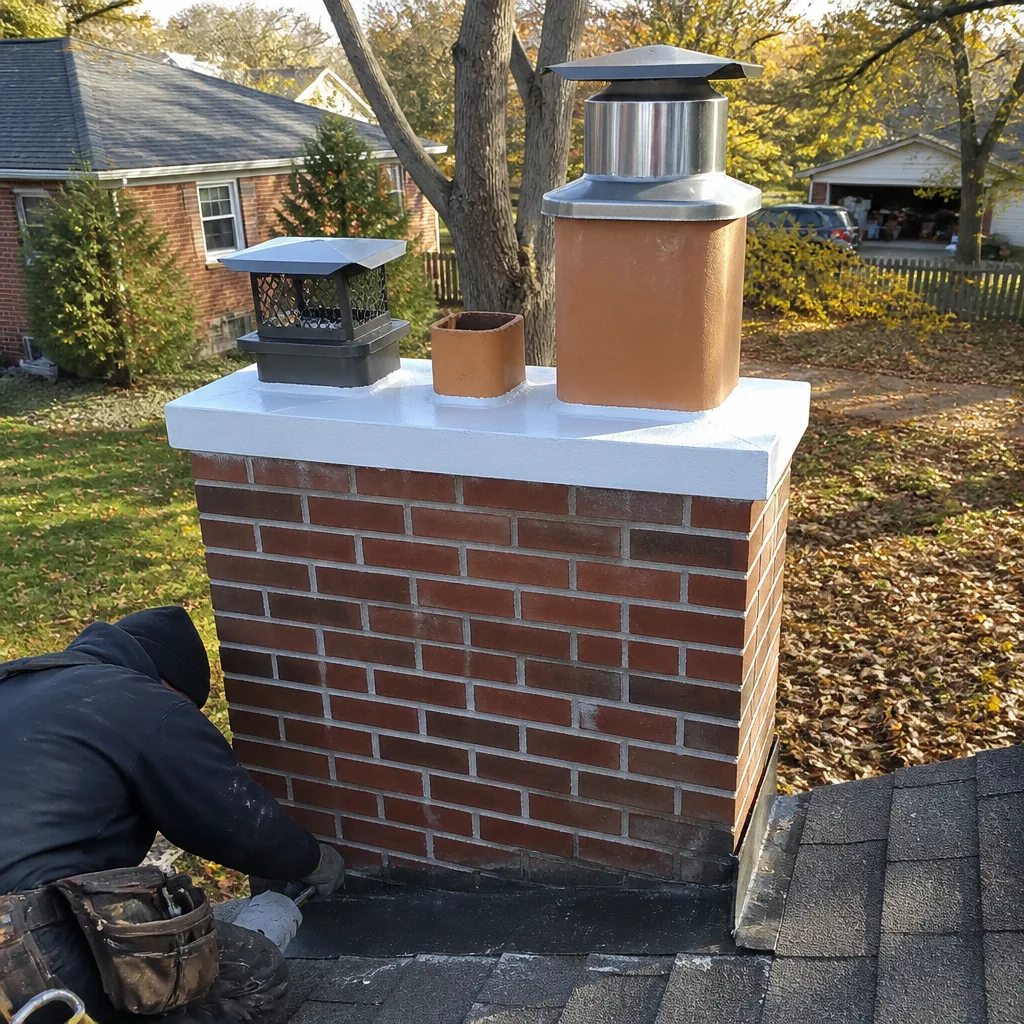 After
After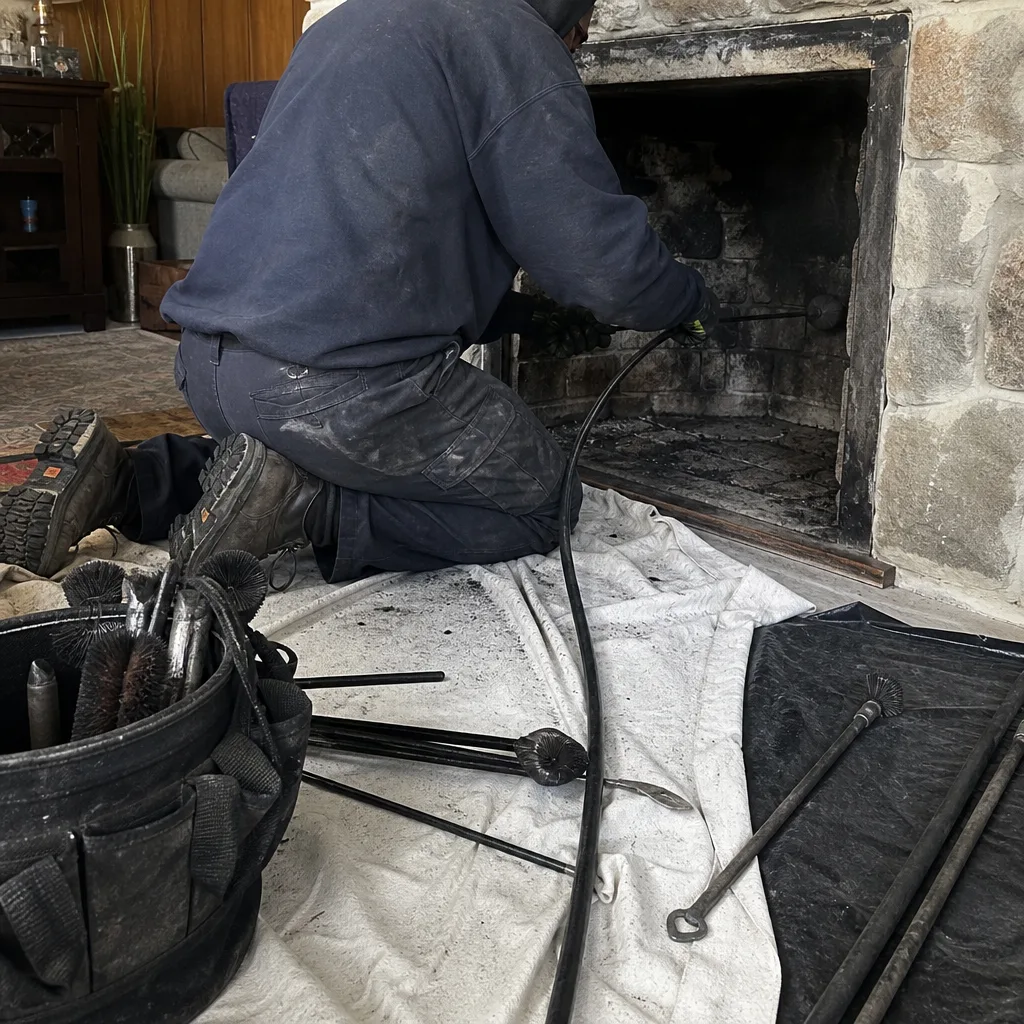 Before
 After
After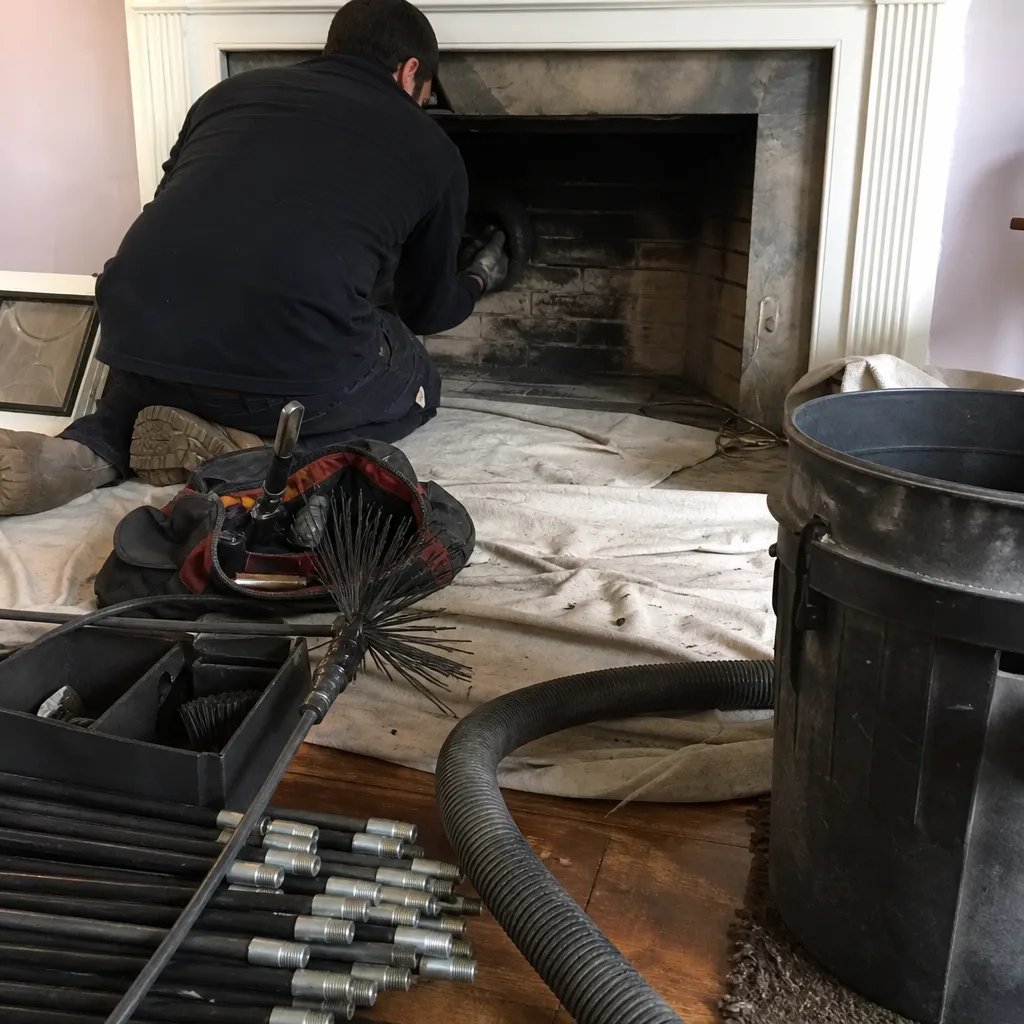 Before
 After
AfterCreosote Removal in Wilmington, DE
Creosote removal in Wilmington, DE typically costs between $250 and $600 depending on the deposit class and how far it has progressed into the flue liner. Most appointments are completed in a single visit, and every job includes a written price before any work begins. If you’re already seeing a dark, glazed buildup visible from the firebox opening, or your chimney has gone more than two seasons without cleaning, it’s time to schedule Chimney Cleaning & Sweep services to have the flue assessed – not guessed at.
At Level Two Chimney Wilmington, creosote removal is part of our core Chimney Cleaning & Sweep in Wilmington work, and we treat it as a documentation job, not just a cleaning job. That means a camera goes down the flue first, we classify what we find using the industry standard three-tier system, and you get a written price and written scope before a single brush touches the liner. Corrine Halstead built the business that way in 2009, and it hasn’t changed. If you’d like to talk through what you’re seeing before scheduling, a live person answers at (610) 546-5053 around the clock.
What Creosote Is and Why It Matters in Wilmington Homes
Creosote is the byproduct of incomplete combustion. When wood smoke rises up a flue liner and hits a surface that’s cooler than the smoke itself – which happens faster in Wilmington’s winters than most homeowners expect – the volatile gases condense and stick to the liner wall. Over time, those deposits harden, layer, and can progress from a dusty powder into a dense, tar-like glaze that no standard chimney brush can break through.
The three classes of creosote matter because they determine what method is required to remove them:
- Class I (First-Degree Creosote): A flaky, sooty deposit. Standard brush removal during a routine chimney sweep clears this type cleanly. This is what we find in chimneys cleaned on a regular annual schedule.
- Class II (Second-Degree Creosote): A denser, tar-like layer that has begun to harden. It requires rotary cleaning equipment and, in some sections of the flue, a chemical treatment applied first to break down the adhesion before mechanical removal.
- Class III (Third-Degree Creosote): A concentrated, glazed deposit – sometimes called “tar glazing” – that has essentially baked onto the flue tile or liner surface. This is the fire hazard classification. A chimney burning with Class III creosote present can sustain flue temperatures exceeding 2,000°F in a chimney fire. Removal requires specialized chemical solvents applied in multiple stages, follow-up camera confirmation, and in cases where the liner surface has been compromised, a HeatShield resurfacing application or full liner replacement may be the only safe path forward.
In Wilmington’s older housing stock – particularly the brick rowhouses and colonials in Trolley Square, Brandywine Village, and along the West Side corridors – we regularly find Class II and early Class III deposits in flues that haven’t been cleaned since the home changed hands. Older homes in these neighborhoods often have clay tile liners that were installed decades ago and have never been camera-inspected. The tile joints dry out, the mortar cracks, and creosote infiltrates the gaps. That combination is why our Level 2 Inspection with NFPA 211 camera scan is the starting point for every job – not an optional upgrade.
When You Need Creosote Removal
- You can smell something acrid or smoky when the fireplace isn’t in use. Creosote has a distinct tar-like odor, especially in Wilmington’s humid summer months when moisture activates deposits sitting in the flue. If the smell is noticeable in a room with the damper closed, the deposit level is already significant.
- You see a black, shiny, or tar-like surface inside the firebox or on the damper. A quick look with a flashlight at the damper throat will show you whether what’s there is light gray soot or dark glazed buildup. If it’s the latter, that’s a visual indicator of Class II or above.
- It’s been two or more heating seasons since the flue was cleaned. The National Fire Protection Association’s standard (NFPA 211) recommends annual inspection and cleaning for any chimney in active use. In Wilmington, where many homeowners use their fireplace heavily from November through February, two seasons of burning can produce enough buildup to require more than a standard sweep.
- You burn green or unseasoned wood regularly. Unseasoned wood produces far more smoke and unburned particulates than properly dried wood, which means creosote accumulates faster. This is a common finding in homes where firewood is purchased in large quantities and not stored for a full drying season.
- Your fireplace has a slow draw or smoke backs into the room. While a poor draw has several potential causes, a partially blocked flue due to heavy creosote accumulation is one of them. A camera scan will distinguish creosote obstruction from a structural or cap issue.
- You had a chimney fire – even a small one. A chimney fire burns off some creosote but almost always leaves behind structural damage to the liner and can leave secondary deposits in damaged flue sections. Any chimney that has experienced a fire event needs a Level 2 inspection before it’s used again, period.
 Before
 After
AfterOur Creosote Removal Process
- Camera scan and classification before anything else. We run a camera down the full length of the flue liner before we start cleaning – this is NFPA 211 Level 2 protocol, and it’s been our default since 2009. The camera tells us the class of creosote present, the condition of the liner joints, and whether there are cracks or obstructions that affect the removal method. You see the footage. We don’t describe what we found; we show you.
- Written price and written scope delivered to you. Once we know what class of creosote we’re dealing with and what equipment and materials the job requires, we produce a written price and scope – before any work starts. This is Haven Standard Clause 1: you have it in writing first, always. No pricing surprises when the tech is already in your home.
- Chemical pre-treatment for Class II and Class III deposits. For Class I deposits, a rotary brush and vacuum system is sufficient. For Class II and Class III, we apply a chemical creosote modifier – sourced through our supply network, which includes Copperfield products – that converts the glazed or hardened deposit into a drier, friable material that can be mechanically removed. This treatment may require an application period before the mechanical cleaning step begins, and in severe cases, a second-visit application is scheduled.
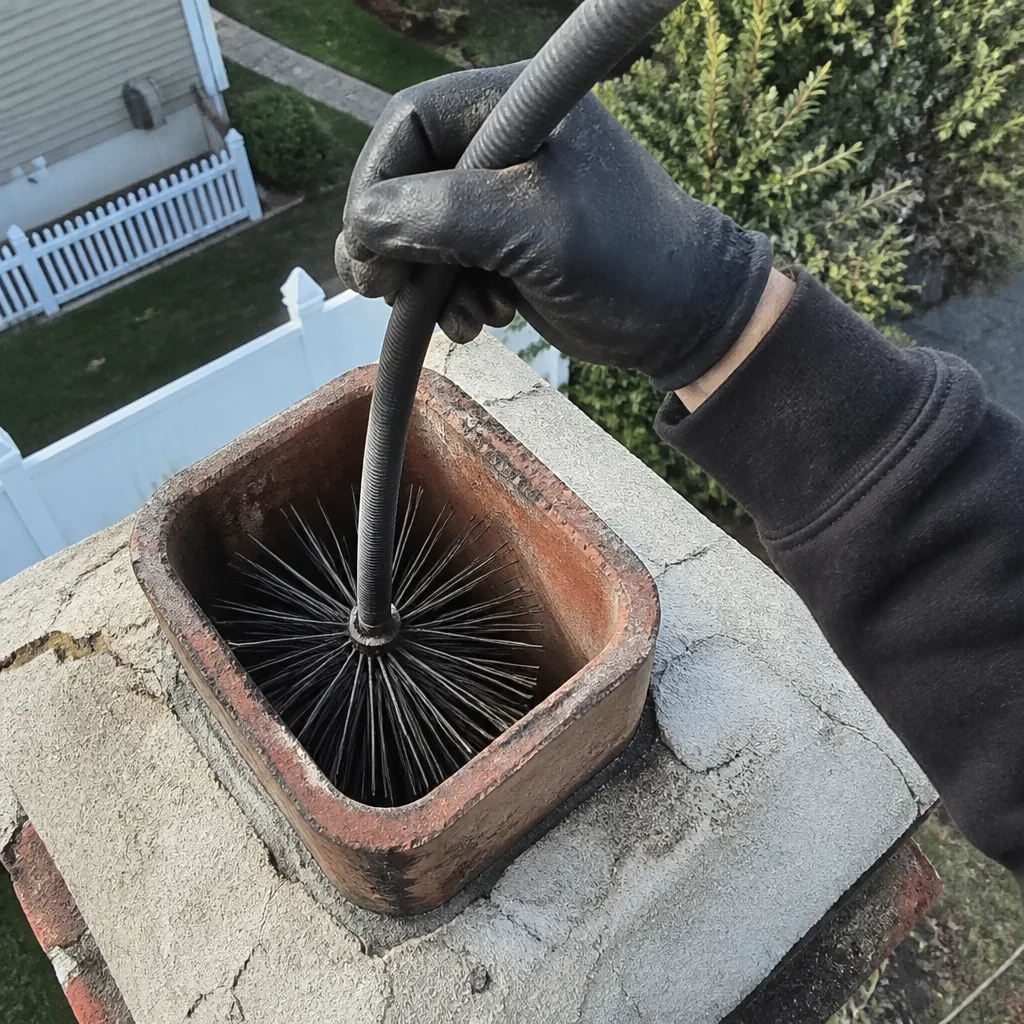
- Mechanical removal with rotary equipment and HEPA-filtered vacuum containment. The actual cleaning is done with rotary brushes sized to the specific flue dimensions, run from the firebox opening with the full vacuum containment system connected. Your home stays clean. We put down drop cloths, wear shoe covers, and the dust stays in the equipment.
- Post-removal camera verification and photo record. After the cleaning is complete, the camera goes back down. We confirm the flue walls are clear, check that no sections were missed, and document the before-and-after condition in photos. That photo record is delivered to you under Haven Standard Clause 4 – it’s included on every job, not an optional add-on. The archive means if a question comes up six months from now, the record exists.
- Assessment of liner condition and next steps if needed. After Class III removal especially, the liner surface sometimes shows heat damage, cracked tile joints, or spalling – flaking of the flue tile face. If we find any of that, we explain what it means in plain terms and give you options in writing: a HeatShield resurfacing application, a DuraFlex stainless liner installation, or in rare cases where the liner damage is extensive, a full rebuild. You decide. We don’t pressure.
Creosote Removal Pricing in Wilmington
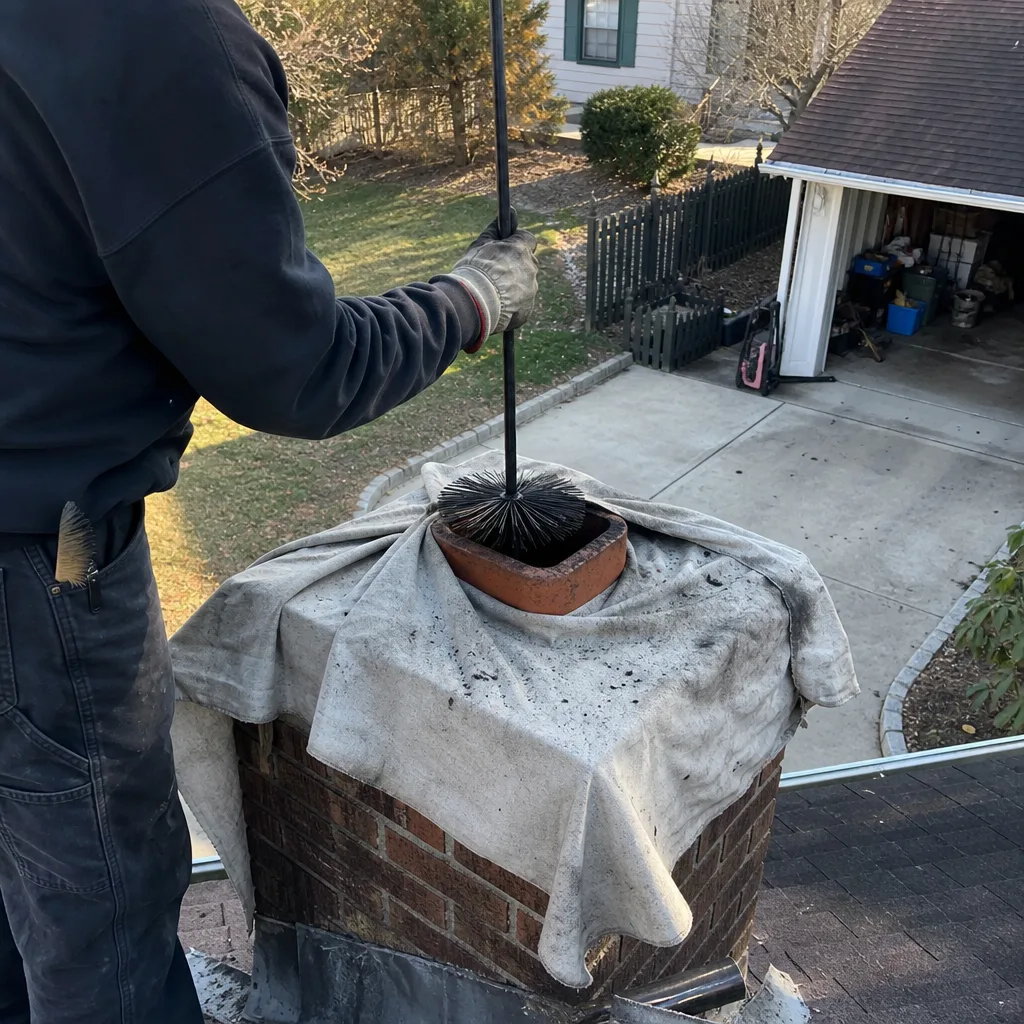
Creosote removal pricing in Wilmington depends on three things: the class of deposit, the height and configuration of the flue, and whether chemical pre-treatment is required. The ranges below reflect what we actually charge in this market – not a national average, not a bait-and-switch starting number.
| Service | Typical Price Range | Notes |
|---|---|---|
| Class I Creosote Removal (standard sweep) | $250 – $350 | Included in routine chimney cleaning; camera scan and photo record included |
| Class II Creosote Removal | $350 – $500 | Rotary cleaning plus chemical pre-treatment; written price before start |
| Class III Creosote Removal | $500 – $800+ | Multi-stage chemical treatment, mechanical removal, camera verification; may require follow-up visit |
| HeatShield Resurfacing (if liner damage found) | $900 – $2,500 | Quoted separately in writing after post-removal inspection; pricing depends on flue length |
| DuraFlex Liner Installation (if liner is compromised) | $1,800 – $4,500 | Quoted in writing after camera confirms liner integrity failure |
A few things affect where your job lands in these ranges. Wilmington’s older homes – particularly those built before 1960 in neighborhoods like Cool Spring and Hedgeville – often have taller chimney stacks serving multiple flue pathways, which adds time and material. Second-floor wood stoves with horizontal connector runs before the vertical flue section are another factor we see often in the renovated rowhouses off Market Street. Flue configuration matters more than most homeowners realize.
What doesn’t change is the process: you get a written price before we touch anything. Call (610) 546-5053 to schedule the camera scan and estimate. There’s no charge for the estimate, and if you have a written quote from another company, we’ll give you a free second opinion on it.
FAQs – Creosote Removal
How do I know if I have Class III creosote and not just regular soot?
Class III creosote has a shiny, tar-like appearance – often described as looking like glazed pottery or dried roofing tar on the flue wall. Regular soot is matte gray or black and wipes away easily. The definitive way to know which class you’re dealing with is a camera scan of the full flue, because deposits further up the liner are often much heavier than what’s visible at the damper. We classify the deposit on-site during the Level 1 Inspection visit and show you the camera footage before we quote anything. Call (610) 546-5053 to schedule the scan – the estimate is free.
Is creosote removal a DIY job?
Class I deposits – light, dusty soot – can be swept by a careful homeowner using the right brushes and a good HEPA vacuum setup. Class II and Class III creosote are not DIY-appropriate. The chemical solvents used for Class III removal require proper handling and ventilation, rotary cleaning equipment for a masonry flue isn’t something most homeowners own, and the post-removal camera verification step is where the safety determination actually gets made. Working in a flue that has advanced creosote also puts a person in close contact with a carcinogen. We’d rather you call us.
How long does creosote removal take?
Class I removal is typically completed in 60 to 90 minutes during a standard cleaning visit. Class II removal, including the chemical pre-treatment and rotary cleaning, runs 90 to 150 minutes. Class III jobs often require two visits: the first to apply the chemical modifier and let it work, the second to complete mechanical removal and run the post-cleaning camera verification. We tell you the expected visit count and total time in writing before we start, so there are no scheduling surprises.
What happens if you find creosote has damaged the flue liner?
If the post-removal camera scan shows cracked tile joints, spalling flue tiles, or sections where the liner surface has been compromised by heat from a previous chimney fire, we document it in photos and explain what we found in plain terms. Depending on the extent, options include a HeatShield resurfacing application – which bonds to the existing tile and restores a continuous interior surface – or a full DuraFlex stainless steel liner installation if the tile damage is too extensive to resurface. Both are quoted in writing, both are backed by the 365-Day Done Right Promise, and neither one starts until you’ve signed off on the written scope. A damaged liner isn’t a scare tactic; it’s a specific finding, and we show you exactly what the camera recorded.
Why Level Two Chimney Wilmington for Creosote Work
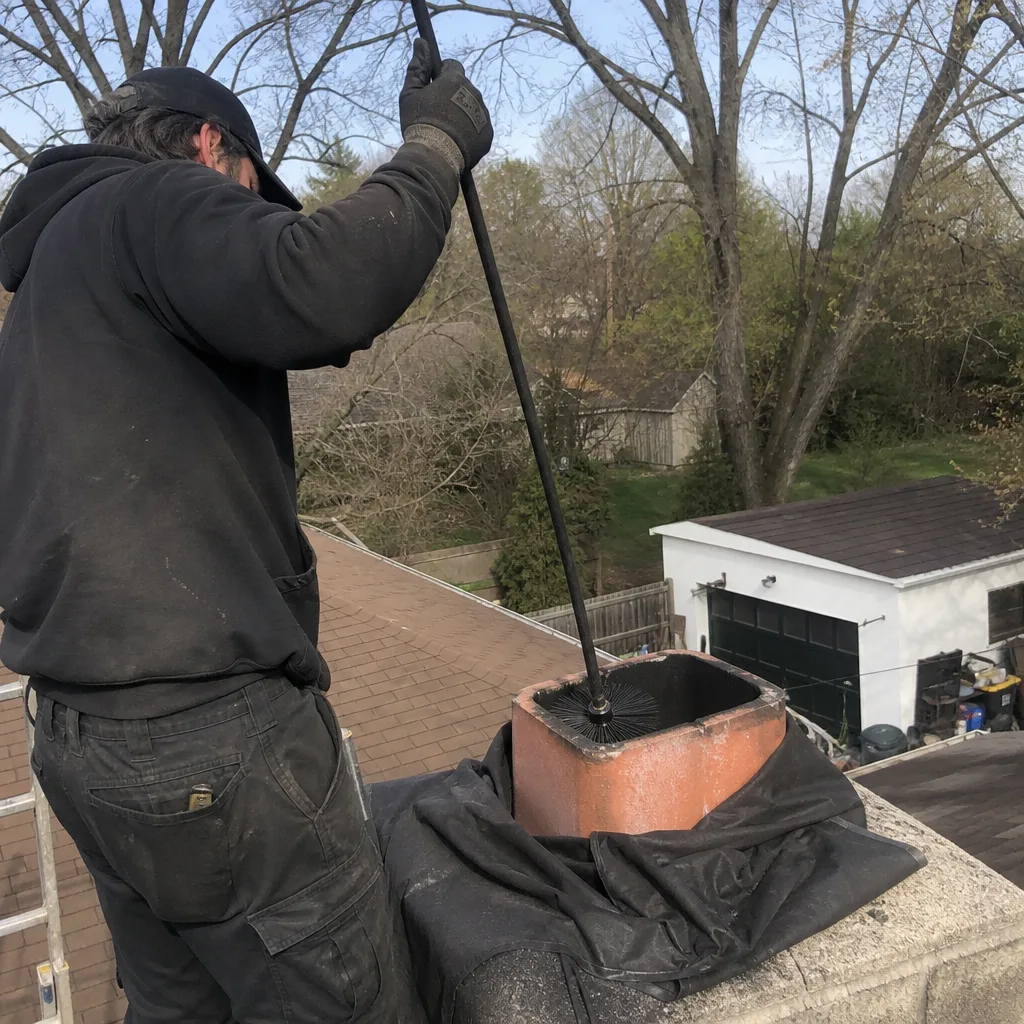
The short version: we don’t charge for a flashlight look and call it an inspection. A camera goes down every flue we touch, the deposit is classified on the footage, and the written price comes from that classification – not from a price list that ignores what’s actually in your chimney.
Since 2009, Level Two Chimney has completed more than 38,000 Fireplace Cleaning and chimney inspections across the region. Every one of those jobs had a written price before work started and a documented photo record when it was done. That practice became Clause 4 of the Haven Standard not because regulators required it, but because it’s the only honest way to do the work. Corrine Halstead runs the operation that way, and the technicians who come to your Wilmington home are background-checked, uniformed, and assigned by name before they arrive – you’ll get a text when they’re on the way.
For creosote removal specifically, that documentation habit matters more than anywhere else in chimney work. A Class III deposit that gets partially treated and called done is a fire waiting to happen. The camera after the cleaning is how we know – and how you know – that the flue is actually clear.
If you have a competitor’s written estimate for creosote removal or a chimney cleaning, bring it. We’ll give you a free second opinion on what it covers and what the price reflects.
- Written price before any work starts – Haven Standard Clause 1
- Camera scan included on every visit, before and after cleaning
- Documented photo record delivered at job completion – Haven Standard Clause 4
- 365-Day Done Right Promise on every job
- Free second opinion on any written competitor estimate
- Live phone answered 24 hours a day, 7 days a week
- Background-checked, uniformed technicians, assigned by name before arrival
To schedule a camera inspection and get a written creosote removal estimate for your Wilmington home, call (610) 546-5053. A live person answers. You’ll have the written price in hand before anyone starts work – that’s not a promise we tack on at the end; it’s how the job gets started.
Level Two Chimney Wilmington is independently owned and operated, and you can find the full range of what we do on the home page.
Written by Corrine Halstead, Owner at Level Two Chimney Wilmington, serving Wilmington.